
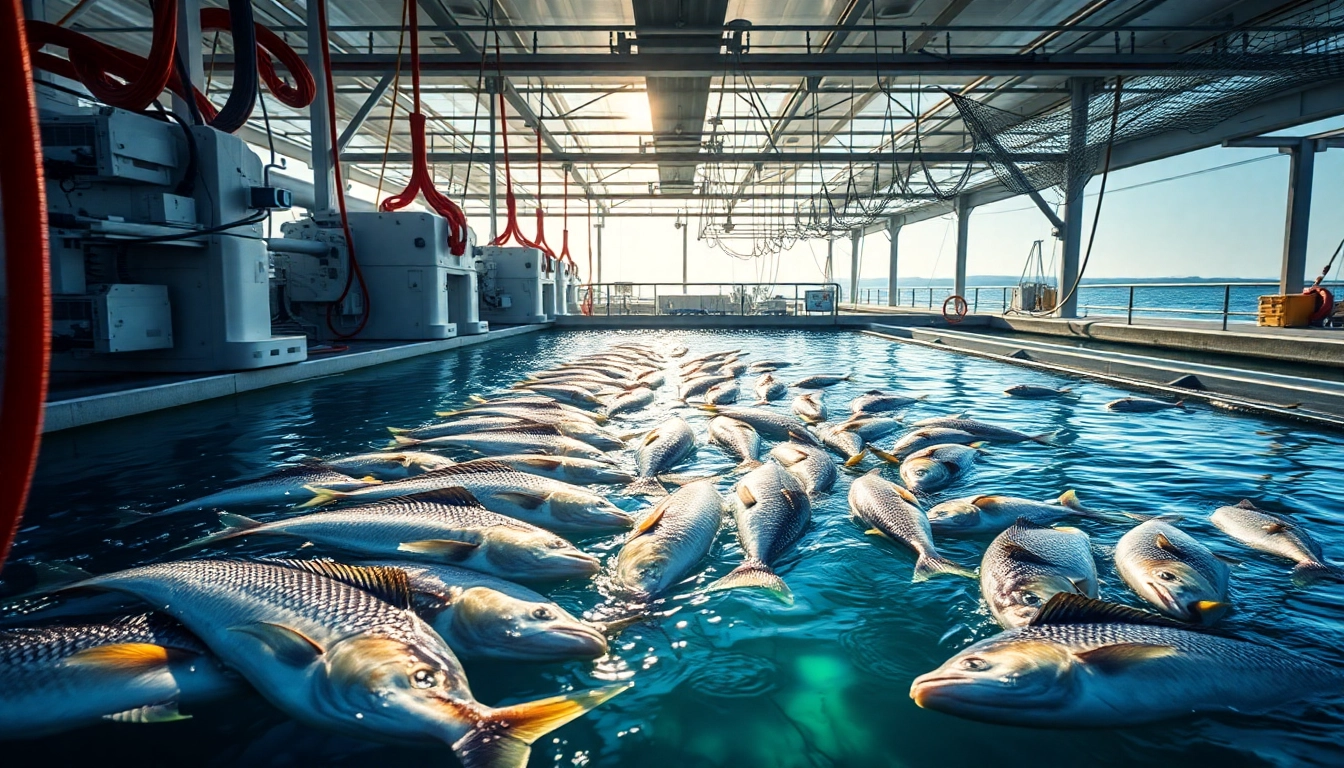
Understanding the Sea Bass Harvesting System
What is a Sea Bass Harvesting System?
The sea bass harvesting system refers to an integrated approach designed for optimizing the collection and processing of sea bass in aquaculture settings. It encompasses a range of techniques and technologies aimed at harvesting fish efficiently while ensuring they’re maintained in high quality. Unlike traditional fishing methods, this specialized system focuses on sustainability and profitability, enhancing operations from environmental management to supply chain logistics.
Key Components of the System
To effectively implement a sea bass harvesting system, several key components must be considered:
- Harvesting Equipment: Specialized nets, traps, and tools for optimal catch efficiency and fish welfare.
- Storage Solutions: Modern cold storage facilities that ensure freshness post-harvest.
- Transportation Systems: Methods for transport that keep fish at ideal temperatures and minimize stress during transfer.
- Water Quality Management: Systems designed to monitor and regulate water conditions, ensuring fish health throughout the harvesting process.
Benefits of Effective Harvesting
An efficient sea bass harvesting system provides numerous benefits, such as:
- Increased Yield: By utilizing advanced harvesting techniques, farms can greatly enhance their overall yield.
- Quality Control: Systems focus on maintaining the quality and size of the fish, directly impacting marketability.
- Cost Efficiency: Well-designed systems reduce labor and resource costs, benefiting profit margins.
- Sustainability: Ensures practices that protect the environment and the ecosystem in which the farming occurs.
Choosing the Right Technology
Types of Harvesting Equipment
Selecting the appropriate harvesting equipment is crucial for optimizing operational efficiency. Common tools include:
- Catch Nets: Designed to minimize fish injury during capture.
- Fish Pumps: For quick and efficient transfer of fish from water to storage.
- Sorting Tables: To facilitate grading and classification by size post-catch.
Advancements in Aquaculture Technology
Emerging technologies are revolutionizing sea bass harvesting. Innovations include:
- Automation: Automated systems for monitoring fish size and quality can enhance productivity significantly.
- AI Integration: Utilizing Artificial Intelligence to predict the best harvesting times based on environmental data.
- Remote Monitoring: Advanced sensors and IoT devices allow real-time monitoring of conditions and fish behaviors.
Setup Considerations for Optimal Performance
Establishing a sea bass harvesting system involves careful planning. Considerations include:
- Location: Assess the geographical advantages and environmental conditions optimal for sea bass farming.
- Layout Design: Arrange facilities for seamless operation flow, from catching to processing.
- Resource Availability: Ensure necessary resources, including workforce, technology, and financial investment, are adequately planned.
Best Practices for Sea Bass Harvesting
Maintenance of Harvesting Systems
Regular maintenance ensures the longevity and efficiency of harvesting systems. Key practices include:
- Regular Inspections: Frequently check equipment for wear and damage.
- Cleaning Protocols: Establish a cleaning regime to retain hygiene and prevent contamination.
- Lubrication and Calibration: Keep moving parts lubricated and calibrated for best performance.
Staff Training and Operational Protocols
An informed workforce is critical to the operation of a successful sea bass harvesting system. Essential training aspects include:
- Operational Standards: Staff must understand industry standards and best practices related to harvesting.
- Safety Training: Safety protocols must be taught to minimize workplace hazards.
- Environmental Awareness: Educate the team about sustainability practices, focusing on minimizing ecological impact.
Monitoring and Adjusting Harvesting Techniques
By monitoring practices and adjusting as necessary, harvesting efficiency can be significantly improved. Suggested methods include:
- Performance Metrics: Analyze yield rates, survival rates, and feedback from the market to guide techniques.
- Adaptive Strategies: Be ready to adopt new technologies and methods based on data collected.
- Continuous Improvement: Encourage a culture of feedback and improvement among the staff to foster innovation.
Economic Implications of Efficient Harvesting
Cost-Benefit Analysis of Modern Systems
Adopting modern harvesting systems often entails upfront investment, but these costs can yield significant long-term savings. A thorough cost-benefit analysis should consider:
- Initial Investment: Evaluate the costs associated with new technology and training.
- Savings Over Time: Consider reduced labor costs, lower waste rates, and increased yield as savings.
- Market Demand: Higher quality outputs can command better prices in the market, enhancing overall revenue.
Impact on Profit Margins
Improving harvesting efficiency can lead to significantly higher profit margins. Key factors influencing profitability include:
- Reduced Overhead: Fewer operational hiccups lead to lower costs and higher profits.
- Increased Sales: More product means more potential sales opportunities, thus amplifying revenue streams.
- Enhanced Market Reputation: Consistent quality boosts brand image, allowing for better pricing strategies.
Reducing Waste and Environmental Considerations
To ensure long-term sustainability, reducing waste in harvesting operations is essential. Important strategies include:
- Efficient Resource Use: Maximize outputs while minimizing inputs, such as water and feed.
- Eco-Friendly Practices: Implement biodegradable materials and energy-efficient equipment in the harvesting process.
- Waste Management Strategies: Develop comprehensive plans for handling by-products and waste, reducing overall environmental impact.
Future Trends in Sea Bass Harvesting Systems
Sustainability Practices in Aquaculture
The aquaculture industry is steadily moving towards more sustainable practices. Future trends might include:
- Regenerative Practices: Moving towards systems that improve rather than deplete local ecosystems.
- Circular Economy Approaches: Systems where waste products are repurposed into usable forms.
Integration of Artificial Intelligence
AI can streamline operations and enhance decision-making processes significantly. Expected advancements include:
- Predictive Analytics: Utilizing data to predict fish growth rates, ideal harvesting times, and overall system efficiencies.
- Smart Systems: Autonomous systems that can adjust in real-time to environmental conditions.
Preparing for Market Changes and Demands
Operation strategies need to remain flexible to adapt to market shifts efficiently. Cultivating agility in your sea bass harvesting system can involve:
- Market Research: Stay updated with consumer trends and preferences, adjusting production methods accordingly.
- Product Diversification: Explore new products or selling channels to broaden reach and resilience against market fluctuations.
FAQs
What is the best equipment for a sea bass harvesting system?
Choose equipment that combines efficiency, capacity, and reliability, focusing on automated and user-friendly options.
How can I maintain my sea bass harvesting system?
Regular maintenance should include cleaning equipment, checking for wear, and training staff on operational standards.
What are the economic benefits of improving harvesting efficiency?
Enhanced efficiency reduces operational costs and boosts profit margins by optimizing labor and resource use.
Are there environmentally friendly practices in sea bass harvesting?
Implementing sustainable methods, such as reducing waste and water usage, is crucial for modern aquaculture practices.
What trends should I watch in sea bass harvesting systems?
Focus on technological advancements, sustainability practices, and shifts in market demand for better adaptability.

