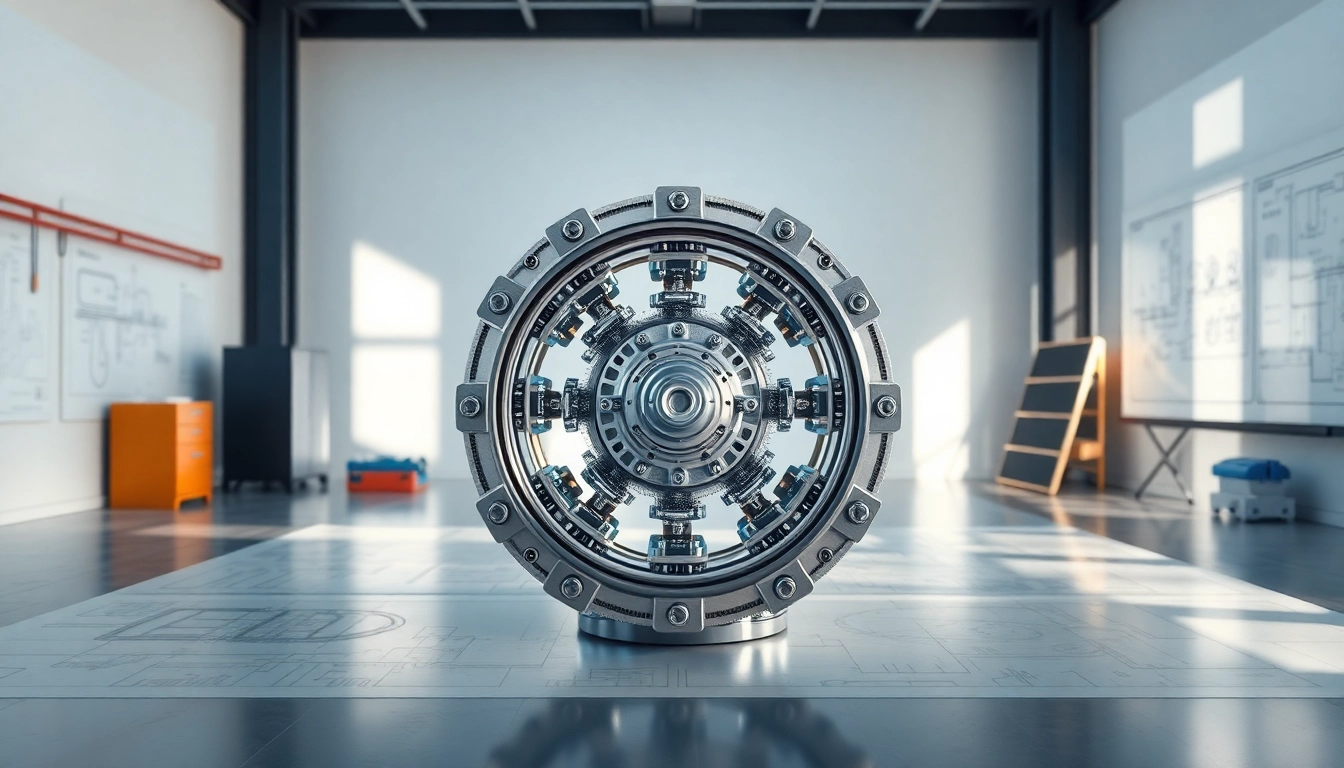

Understanding the Compressed Earth Block Machine
What is a Compressed Earth Block Machine?
A Compressed Earth Block Machine is an innovative construction device designed to produce compressed earth blocks (CEBs) using onsite soil. This machine compresses a mixture of earth materials, usually sand and clay, into solid blocks that can be utilized in building construction. CEBs are known for their strength, durability, and environmental sustainability, making the machine a valuable asset in modern construction practices.
Benefits of Using Compressed Earth Blocks
The incorporation of compressed earth blocks in construction offers numerous advantages:
- Eco-Friendly: Production of CEBs minimizes carbon footprint as they use local soil and require no burning, in contrast to traditional fired bricks.
- Cost-Effective: Using locally sourced materials reduces costs associated with transportation and material procurement.
- Energy Efficient: CEBs provide excellent insulation, contributing to reduced energy consumption for heating and cooling.
- Durability: CEBs have a long lifespan, often exceeding that of traditional building materials.
- Versatility: They can be produced in various shapes and sizes, suitable for different architectural designs.
Types of Compressed Earth Block Machines Available
There are different types of Compressed Earth Block Machines, each designed to meet specific production needs:
- Manual Machines: These machines require manual operation and are ideal for small-scale projects or DIY enthusiasts.
- Hydraulic Machines: This type uses hydraulic pressure to compress earth materials, enabling high efficiency and faster production rates.
- Electric Machines: Automated machines that often include features like programmable settings for tailored block production.
- Portable Machines: Small-scale machines that can be easily transported to various locations, allowing for on-site production.
How a Compressed Earth Block Machine Works
Key Components of the Machine
The functionality of a Compressed Earth Block Machine is determined by its key components:
- Frame: The structural backbone that holds all components together, often made from robust steel.
- Hydraulic System: Powers the compression mechanism and dictates the quality and density of the blocks produced.
- Mold: The shape of the blocks is determined by the mold, which can be customized for different sizes and designs.
- Feeding System: Manages the input of earth and other materials into the machine.
Step-by-Step Production Process
The production process of compressed earth blocks involves several critical steps:
- Soil Preparation: Locally sourced soil is tested for suitability, often requiring mixing with additives to enhance stability.
- Material Feeding: Prepared soil is fed into the machine’s mold.
- Compression: The machine compresses the soil mixture into blocks, applying a specific pressure that ensures strength and durability.
- Block Ejection: Once compressed, the blocks are ejected from the mold and allowed to cure.
- Curing: Blocks must be cured for a period, ensuring their strength and durability before use in construction.
Quality Control Measures
Quality control is essential in the production of CEBs. Measures include:
- Soil Testing: Ensuring the soil meets necessary strength and stability standards.
- Regular Machine Maintenance: Scheduled inspections and routine maintenance to keep the machine in optimal working condition.
- Block Testing: Periodic testing of produced blocks for compressive strength to ensure they meet building codes and standards.
Applications of Compressed Earth Block Machines
Residential Construction
CEBs are increasingly popular in residential construction due to their insulation properties and aesthetic appeal. Homes built with these blocks benefit from lower energy costs and natural temperature regulation.
Commercial Projects
Various commercial buildings utilize CEBs for their sustainability and cost-effectiveness. Offices, schools, and community centers designed with CEBs contribute to a reduced carbon footprint.
Community Development Initiatives
CEB technology empowers sustainable development in underserved communities by providing affordable housing solutions. CEBs enable local builders to construct durable structures using local materials, fostering community engagement and self-sufficiency.
Factors to Consider When Choosing a Compressed Earth Block Machine
Capacity and Production Rates
Selecting a machine that aligns with your capacity needs is crucial. Evaluate the production rates and ensure that the machine can meet your project demands efficiently.
Cost and Budget Considerations
Assess the initial purchase cost against long-term savings on materials and energy. A thorough cost analysis will help in making a prudent investment decision.
Technical Support and Maintenance
Choose a manufacturer that provides robust technical support and easy access to replacement parts. Regular maintenance is essential for maximizing the machine’s lifespan and productivity.
Frequently Asked Questions about Compressed Earth Block Machines
What is the cost of compressed earth blocks?
The cost of compressed earth blocks varies widely based on location, materials, and production methods, typically ranging from $0.30 to $0.60 per block.
How long do compressed earth blocks last?
With proper construction practices, compressed earth blocks can last for decades, often exceeding the lifespan of wooden structures, which is around 70 years.
How much psi is used in a compressed earth block?
Usually, about 3,000 psi (21 MPa) of pressure is applied when producing compressed earth blocks, ensuring adequate density and strength.
Can I make compressed earth blocks myself?
Yes, DIY enthusiasts can create compressed earth blocks using manual machines, provided they source appropriate soil and materials and follow proper techniques.
Are compressed earth blocks eco-friendly?
Absolutely! Compressed earth blocks are made from local soil, require no firing, and have low embodied energy, making them a highly sustainable building material.