Understanding Video Analytics
What is Video Analytics?
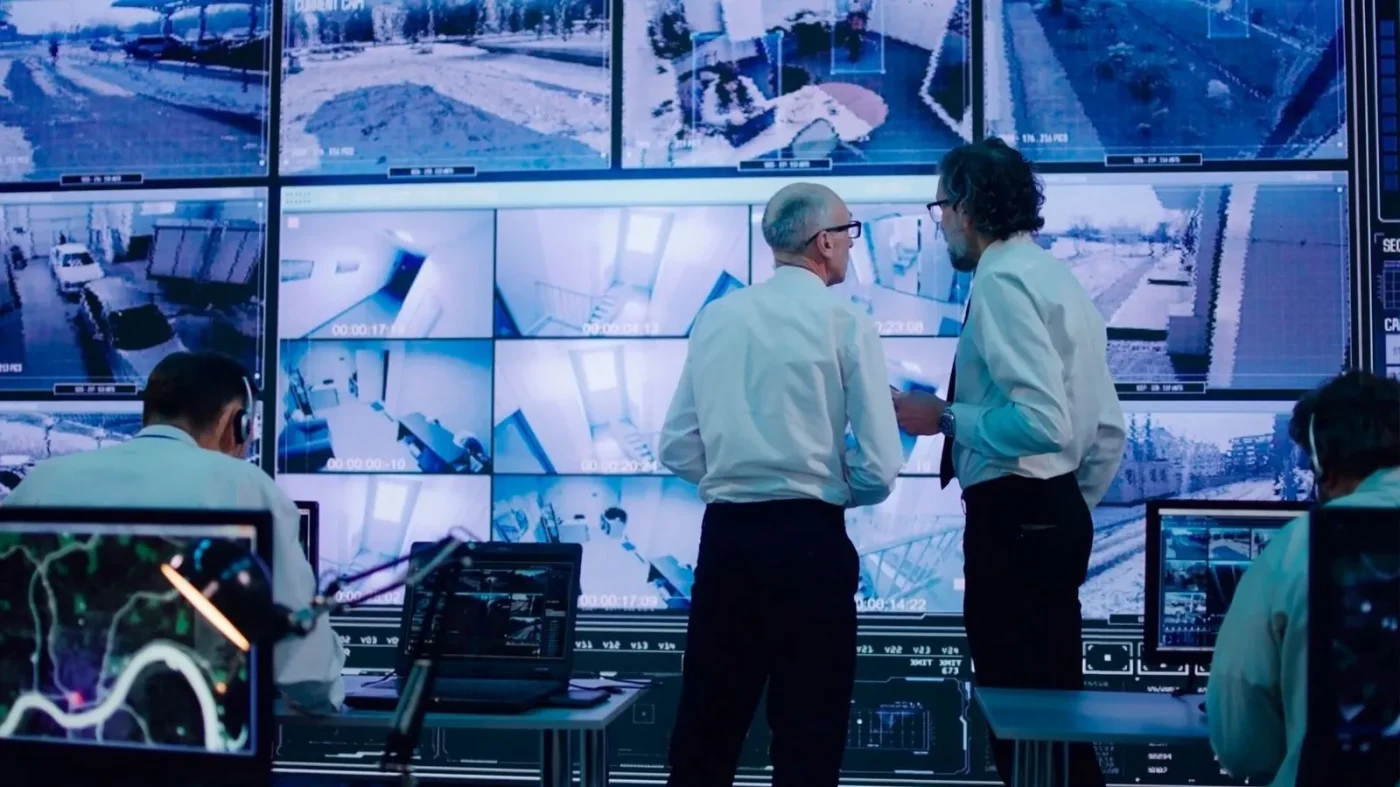
Video analytics refers to the use of advanced technologies, particularly artificial intelligence (AI), to analyze video footage in real-time. This process enables systems to automatically detect and classify various objects such as people, vehicles, and activities, providing actionable insights that can enhance security measures and operational efficiencies across different sectors. Moreover, the integration of video analytics with existing systems can bolster surveillance, making security protocols more effective and adaptive. For further information, you can explore https://videoanalytics.co.uk/.
Core Components of Video Analytics
The effectiveness of video analytics hinges on several core components:
- Object Detection: Algorithms identify and classify objects within a video feed, determining their type and movement patterns.
- Facial Recognition: Advanced tools allow for identifying and verifying individuals by capturing specific facial features.
- Motion Tracking: This component records the trajectories of moving objects, facilitating the detection of suspicious behavior.
- Data Aggregation: Gathering data from multiple sources enhances the accuracy of analytics and provides a comprehensive overview of monitored areas.
- Alert Generation: Systems can be programmed to notify operators of unusual activities or breaches in real-time.
Applications in Security
Video analytics finds extensive applications in security, such as:
- Intrusion Detection: By automatically recognizing unauthorized access, it helps in reinforcing physical security.
- Perimeter Protection: Systems can monitor perimeters effectively, leveraging analytics to promptly identify breaches.
- Crowd Management: In public events, video analytics assists in monitoring crowd behavior, ensuring public safety.
- Behavior Analytics: It can identify patterns of suspicious behavior, enabling proactive measures to be taken.
How Video Analytics Works
The Technology Behind Video Analytics
Video analytics operates on a blend of camera technology and AI algorithms. High-definition cameras capture video in real-time, while AI algorithms process this footage. The system uses machine learning models to continuously improve its accuracy by learning from the data it processes. Techniques such as deep learning enable it to discern complex patterns in behavior, which traditional systems may miss.
Data Interpretation and Insights
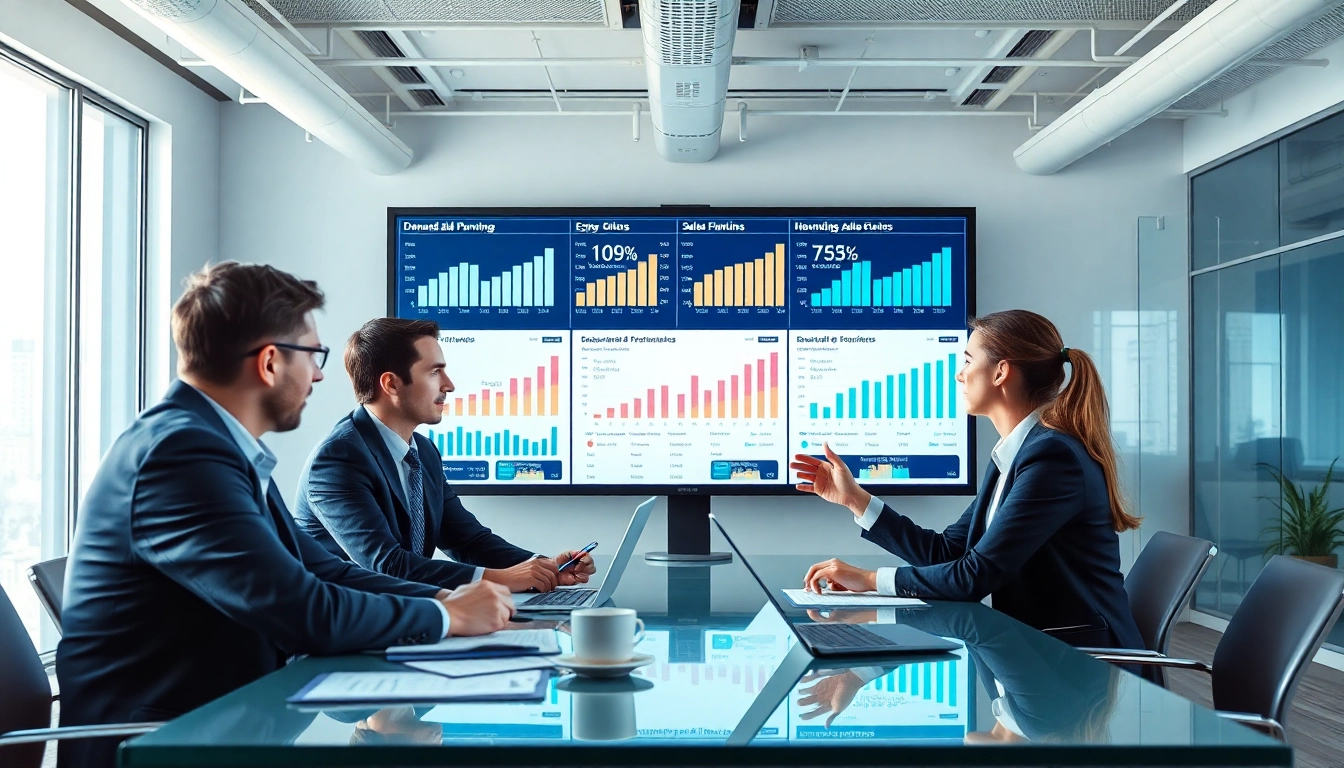
Once data is collected, advanced analytical tools dissect the video content, transforming raw footage into meaningful insights. This can include statistics on foot traffic, the duration of stay in certain areas, and the frequency of particular actions. Detailed reporting capabilities allow organizations to generate actionable insights that can influence security protocols and operational workflows.
Challenges and Limitations
Despite its advantages, there are challenges associated with video analytics:
- Data Privacy: Ensuring compliance with privacy regulations is crucial, as video surveillance can infringe upon personal rights.
- False Positives: Inaccuracies in detection may result in false alarms, necessitating workforce management to verify alerts.
- Integration Issues: Coordinating between existing systems and new analytics technologies can pose challenges.
- High Initial Investment: The costs associated with implementing and maintaining sophisticated video analytics can be substantial.
Benefits of Implementing Video Analytics
Improved Security Measures
One of the most significant benefits of video analytics is the enhancement of security measures. By enabling the rapid identification of threats and providing critical real-time data, organizations can respond more effectively to incidents. Automated alerts reduce response times, potentially preventing crime or mitigating damage.
Cost-Efficiency and Resource Management
With the capability to reduce false alarms and automate monitoring, organizations can reallocate resources to more critical areas. This efficiency not only optimizes manpower but also lowers operational costs associated with maintaining security personnel. As a result, businesses can realize significant savings while improving overall security effectiveness.
Enhancements in Monitoring
Video analytics allows for comprehensive monitoring, extending beyond simple observation. Organizations can process and analyze vast amounts of data without manual intervention, leading to better surveillance outcomes. Whether monitoring a vast retail environment or overseeing large public events, analytics tools provide a level of oversight that enhances security and operational intelligence.
Choosing the Right Video Analytics System
Key Features to Consider
When selecting a video analytics system, several key features should be evaluated:
- Scalability: The ability to expand the system to cover additional areas without replacing it entirely is crucial.
- Integration Capabilities: Ensure compatibility with existing security technologies and infrastructures.
- User Interface: A user-friendly interface facilitates easier monitoring and management of video feeds.
- Real-Time Analytics: The ability to provide insights and alerts in real-time is vital for immediate response actions.
- Cloud Storage Options: Consider systems that allow for scalable data storage, ensuring that video footage is securely stored and easily accessible.
Evaluating Vendor Options
When evaluating vendors, assess their expertise in AI and machine learning applications. Look for a provider that demonstrates a deep understanding of video analytics technology and can showcase successful case studies. Consider customer reviews and feedback to gain insight into user experiences with the vendor’s systems.
Implementation Steps and Best Practices
Implementing a video analytics system involves several steps:
- Needs Assessment: Understand your specific monitoring needs and objectives.
- System Planning: Determine the scale of implementation, including hardware and software requirements.
- Installation: Ensure proper placement of cameras and integration with existing systems.
- Testing and Calibration: Conduct thorough testing to ensure systems operate effectively and make necessary adjustments.
- Training: Provide comprehensive training for team members on how to utilize the system effectively.
- Continuous Monitoring and Updating: Regularly review system performance and update as necessary to adapt to evolving needs.
Future Trends in Video Analytics
Integration with Other Technologies
The advancement of video analytics will increasingly see integration with other technologies, such as the Internet of Things (IoT) and big data analytics. This interconnectedness will allow organizations to leverage more comprehensive datasets, leading to enhanced decision-making processes and more reliable outcomes in security and other areas.
Emerging Use Cases
New applications of video analytics continue to emerge, including retail analytics, traffic management, and smart city implementations. By continuously evolving, video analytics can offer solutions tailored to the unique requirements of various industries, demonstrating its versatility and applicability across contexts.
Impact on Security Strategies
The continuous enhancement of video analytics will profoundly impact security strategies, shifting from reactive to proactive measures. By predicting potential threats through data patterns and automating responses, organizations stand to create a safer environment that minimizes risks and maintains security efficiently.
Frequently Asked Questions
What is the primary function of video analytics?
The primary function of video analytics is to analyze video feeds in real-time, automatically detecting and classifying objects and activities, thereby providing insights for security and operational enhancements.
How does video analytics improve security?
Video analytics improves security by enabling real-time threat detection, reducing response times through automated alerts, and recognizing patterns that may indicate suspicious behavior.
What are common challenges with video analytics?
Common challenges include data privacy issues, the potential for false positives, integration problems with existing systems, and the high initial costs of sophisticated analytics technologies.
Can video analytics work with existing CCTV systems?
Yes, many video analytics solutions are designed to integrate with existing CCTV systems, enhancing their functionality without necessitating complete system overhauls.
How scalable are video analytics systems?
Video analytics systems are typically scalable, allowing organizations to expand their monitoring capabilities as needed while maintaining existing infrastructure.