
- Understanding License Plate Recognition Cameras
- Benefits of Using License Plate Recognition Cameras
- Choosing the Right License Plate Recognition Camera
- Integration of License Plate Recognition Cameras in Existing Systems
- Future Trends in License Plate Recognition Technology
- Frequently Asked Questions
Understanding License Plate Recognition Cameras
What is a License Plate Recognition Camera?
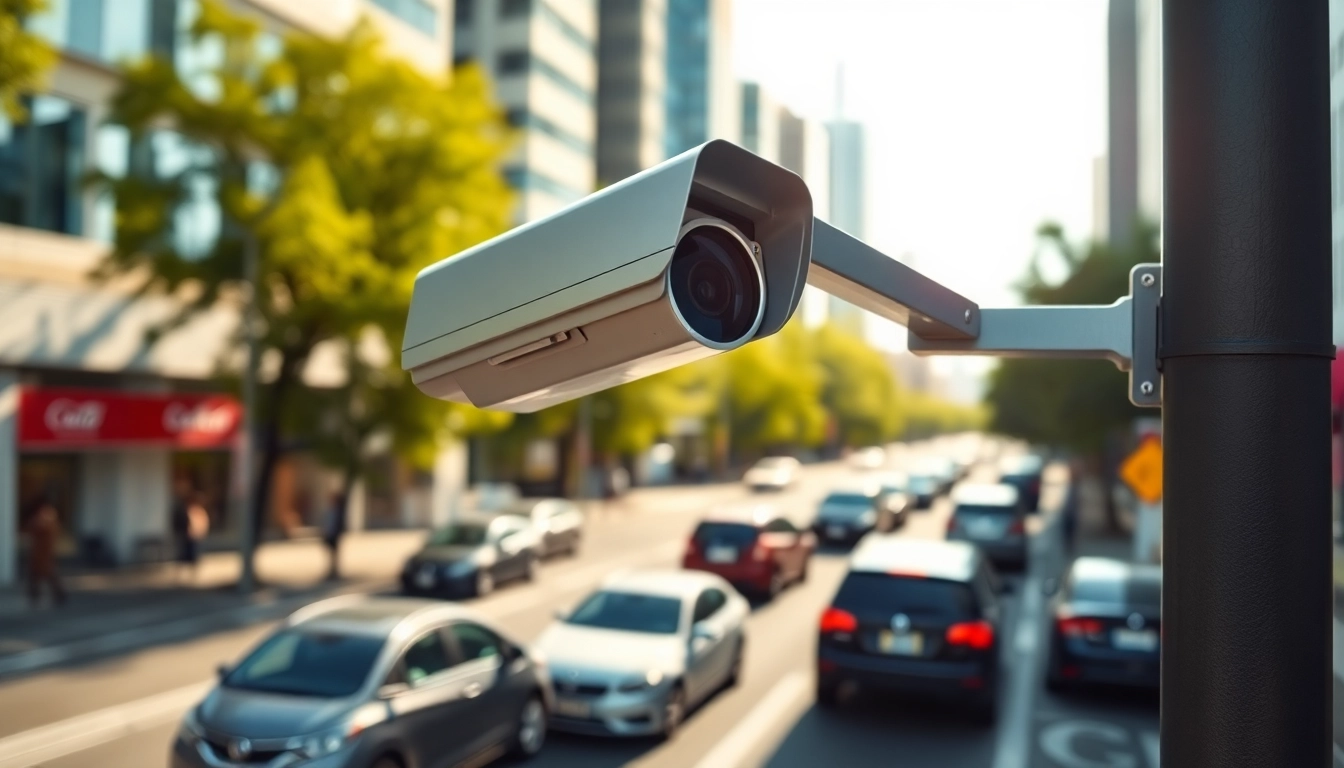
A license plate recognition camera is an advanced security device designed to automatically capture and read the license plates of vehicles. This technology is primarily utilized for various applications such as law enforcement, parking management, and surveillance. By integrating imaging technology with optical character recognition (OCR), these cameras can extract vehicle registration information, making them invaluable for tracking and monitoring vehicle movements.
How Do License Plate Recognition Cameras Work?
License plate recognition cameras operate by leveraging high-resolution imaging and advanced processing algorithms. When a vehicle passes in front of the camera, it captures an image of the license plate, which is then analyzed using OCR technology. The system extracts the alphanumeric characters displayed on the plate, converting them into a digital format that can be stored and processed. This data can be cross-referenced against databases for various purposes, such as identifying stolen vehicles or controlling access to secured areas.
Key Features of License Plate Recognition Cameras
- High Resolution Imaging: Essential for capturing clear images of license plates in various conditions.
- Infrared and Low Light Capability: Many LPR cameras are equipped with infrared technology, allowing them to function effectively in low-light conditions.
- Real-Time Data Processing: The ability to process and analyze data instantly is crucial for effective monitoring and alerts.
- Integration Capabilities: LPR systems can often integrate with existing security and traffic management systems.
- Cloud Storage Options: Many LPR solutions offer cloud storage for easy access and data sharing.
Benefits of Using License Plate Recognition Cameras
Increased Security Measures
One of the primary benefits of deploying a license plate recognition camera is enhanced security. These cameras can be placed at strategic points to monitor the entry and exit of vehicles, helping in the identification of unauthorized access and reducing potential threats. Moreover, real-time alerts can be generated if a vehicle on a watch list is detected.
Efficient Law Enforcement Applications
Law enforcement agencies utilize LPR technology for various purposes, from tracking stolen vehicles to monitoring traffic violations. The data collected can also facilitate investigations by providing accurate records of vehicle movements, which can be crucial in criminal investigations. With high-resolution imaging, these cameras enable police forces to operate more efficiently and effectively.
Improved Traffic Management
License plate recognition cameras play a vital role in traffic management by automating toll collection and monitoring traffic flow. By analyzing license plate data, traffic authorities can identify congestion patterns and optimize traffic signal timings. This application not only enhances road safety but also contributes to more efficient urban planning.
Choosing the Right License Plate Recognition Camera
Evaluating Technical Specifications
When selecting a license plate recognition camera, it is essential to examine its technical specifications carefully. Key considerations include the camera’s resolution, frame rate, illumination capabilities, and the type of OCR software it employs. High-resolution cameras can capture clearer images, resulting in more accurate plate reading.
Considering Environmental Factors
The installation location of an LPR camera significantly influences its performance. Factors such as ambient light conditions, weather elements, and physical obstructions must be assessed to ensure optimal operation. It is crucial to choose cameras designed for specific environments, whether urban, rural, or industrial settings.
Cost vs. Value Analysis
Investing in a license plate recognition camera involves a careful analysis of costs versus benefits. While high-end models may incur a steeper initial investment, their potential for reducing theft, optimizing traffic management, and avoiding losses can deliver significant long-term savings. An informed decision in choosing the right technology will pay dividends in operational efficiency.
Integration of License Plate Recognition Cameras in Existing Systems
Connecting with Surveillance Networks
Effective integration of license plate recognition cameras with existing surveillance networks is essential for enhancing security measures. This allows security personnel to access multiple feeds and alerts from a central monitoring system, increasing situational awareness and response times during critical incidents.
Utilizing Data for Real-Time Monitoring
Data collected by license plate recognition cameras can be used for real-time monitoring to enhance security and operational efficiency. By analyzing vehicle movement patterns and generating actionable insights, organizations can proactively address potential issues, ensuring a secure environment.
Best Practices for Installation
For optimal performance of license plate recognition cameras, proper installation is vital. Best practices include selecting strategic mounting locations, configuring the camera’s angle and height for maximum coverage, and ensuring secure power and network connections. Regular maintenance and calibration are also essential to maintain accuracy and reliability.
Future Trends in License Plate Recognition Technology
AI and Machine Learning Enhancements
The future of license plate recognition technology is poised for significant advancements driven by artificial intelligence (AI) and machine learning. These technologies will improve the accuracy of plate recognition, enhance data processing capabilities, and enable predictive analytics that can foresee potential security threats based on historical data patterns.
Integration with Smart City Initiatives
As cities evolve towards smarter environments, the integration of license plate recognition cameras into urban infrastructure will become commonplace. By connecting with traffic management systems, public safety initiatives, and transportation networks, LPR technology will contribute to more efficient urban mobility and enhanced public safety.
Privacy Considerations in License Plate Monitoring
With the advantages of license plate recognition cameras come challenges related to privacy and data protection. Ensuring that the implementation of LPR technology complies with local laws and regulations is paramount. Organizations will need to prioritize transparent data handling procedures and establish protocols to protect individual privacy rights.
Frequently Asked Questions
What is a license plate recognition camera?
A license plate recognition camera is a system that captures, processes, and reads vehicle license plates, helping in tracking and monitoring.
How accurate are license plate recognition cameras?
Most modern cameras achieve high accuracy rates, often exceeding 90%, dependent on lighting and environmental conditions.
Can license plate recognition cameras work at night?
Yes, many LPR cameras feature infrared technology, allowing for clear image capture in low-light and nighttime conditions.
Are license plate recognition cameras legal?
Yes, while legal, regulations vary by location. It’s essential to understand local surveillance and data privacy laws.
What industries benefit from license plate recognition cameras?
Common users include law enforcement, parking management, toll systems, and retail sectors, enhancing security and efficiency.