Understanding Custom Cabinet Basics
What is a custom cabinet?
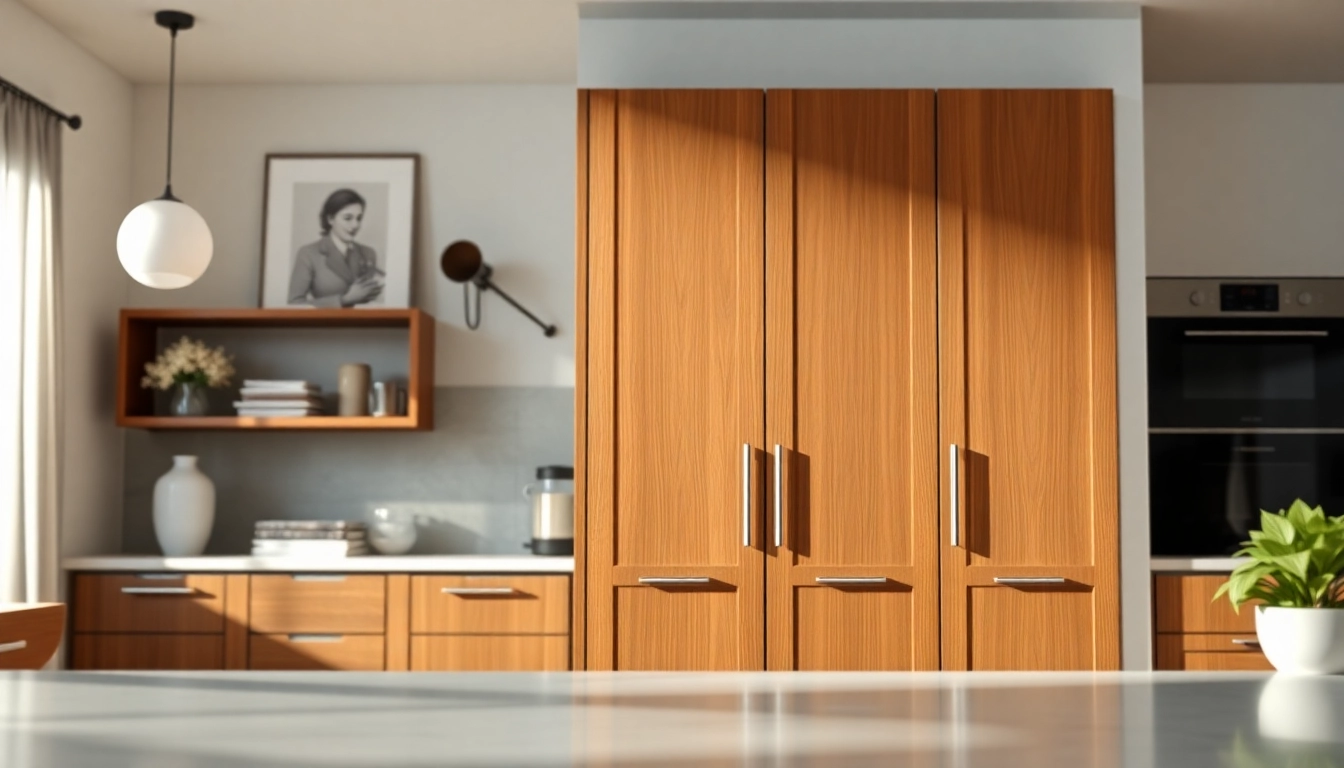
A custom cabinet is a piece of furniture designed specifically to fit individual needs and preferences, blending seamlessly into its designated space. Unlike mass-produced cabinets, which often adhere to standard sizes and designs, custom cabinets are tailored to specific dimensions, materials, and functionalities dictated by the user. This bespoke nature allows for a perfect match to your aesthetic and practical requirements, making them an ideal choice for kitchens, bathrooms, and any other area in your home requiring storage solutions.
Benefits of custom cabinets
The advantages of selecting custom cabinets over their stock counterparts are compelling. Firstly, they provide unmatched versatility in design. Homeowners can dictate everything from the cabinet layout and door style to the finish and hardware. This allows a degree of personalization that stock cabinets simply cannot offer.
Secondly, custom cabinets can maximize storage efficiency. They can be designed to utilize every nook and cranny of your space, accommodating awkward corners or tall ceilings that would otherwise be wasted with standard sizes. This means not just more room for your belongings, but a more organized, streamlined look overall.
Thirdly, quality is paramount. Custom cabinets are typically crafted from higher quality materials compared to mass-produced options. This ensures durability and longevity, ultimately leading to better value over time. Lastly, custom cabinets can significantly enhance a home’s aesthetic and resale value, making them a smart investment for homeowners looking to upgrade their space.
Different styles of custom cabinets
Custom cabinets come in a myriad of styles, allowing homeowners to match their cabinets to their home’s overall design and feel:
- Traditional style: Often characterized by ornate details, rich woods, and classic colors.
- Modern style: Features clean lines, minimalist designs, and often utilizes materials like metal or glass to create a sleek appearance.
- Rustic style: Incorporates rough-hewn woods, distressed finishes, and a warm, inviting aesthetic.
- Transitional style: This blends elements from both traditional and modern styles for a balanced look that appeals to a wide audience.
- Shaker style: Renowned for its simplicity and functionality, this style is characterized by a recessed panel in the cabinet doors.
Choosing Materials for Your Custom Cabinet
Types of wood for custom cabinets
When selecting materials for a custom cabinet, wood remains one of the most popular choices due to its aesthetic appeal and durability. Here are some commonly used types of wood:
- Oak: Available in both red and white varieties, oak is strong, durable, and resists warping, making it a long-lasting option for cabinets.
- Maple: Known for its smooth grain and light beige color, maple is a versatile wood that works well in many styles.
- Cherry: Cherry wood ages beautifully, deepening in color over time, and offers a rich, warm finish.
- Pine: While softer than other woods, pine is easily customizable; ideal for rustic or shabby-chic designs.
Alternatives to wood in custom cabinets
While wood dominates the custom cabinet market, there are several alternatives to consider for those looking for something different:
- Plywood: Strong and stable, plywood can be an excellent choice for cost-effective custom cabinets that require superior strength.
- Medium density fiberboard (MDF): Ideal for painted cabinet finishes, MDF is smooth and free of knots.
- Metal: Stainless steel or aluminum can add a contemporary touch, particularly in modern industrial designs.
- Laminate: Available in a plethora of colors and designs, laminate can mimic the appearance of wood but often at a lower cost.
Finishes and coatings
The finish applied to your custom cabinets plays a crucial role in both aesthetics and longevity. Some popular finishes include:
- Stain: Enhances the natural beauty of the wood while providing some protection.
- Paint: Offers limitless color options and a modern appearance, although it might require more maintenance than other finishes.
- Lacquer: A high-gloss finish that dries quickly and gives a durable surface.
- Polyurethane: Available in both matte and glossy varieties, it provides exceptional durability and is resistant to moisture.
Designing Your Custom Cabinet
Assessing your space and needs
Before diving into design, it’s essential to assess the space where the custom cabinet will be installed. Consider the dimensions, layout, and overall aesthetic of the room. Take detailed measurements, noting any architectural features that might affect cabinet placement. Also, consider your storage needs—do you require more drawer space, shelves, or specialized compartments? This thorough assessment lays the groundwork for a functional and aesthetically pleasing design.
Incorporating features and accessories
Custom cabinets can be outfitted with a range of features and accessories to enhance their functionality:
- Pull-out shelves: Allow easier access to items in the back of the cabinet.
- Soft-close doors: Prevent slamming and enhance durability.
- Built-in lighting: Can illuminate the interior or highlight specific design elements.
- Drawer dividers: Help maintain organization and streamline access to utensils or tools.
Color schemes and design trends
Staying updated with current design trends can inspire your cabinet’s color and styling choices. Neutral shades like whites and grays continue to dominate, providing a clean backdrop that lets other design features shine. Conversely, bold colors are being embraced in kitchens in the form of deep blues or greens, especially on islands or as accent pieces. Mixing cabinet colors, such as having upper cabinets in one shade and lower cabinets in another, is also gaining traction. Finishes like matte or textured surfaces offer a modern touch, while vintage antiques provide charm in more rustic or transitional spaces.
Installation Process for Custom Cabinets
Preparing for installation
Proper preparation is critical to a successful custom cabinet installation. Start by clearing the area to ensure ample space for the installation setup. If necessary, repair any wall damage and ensure that walls are plumb and level; this will prevent complications during installation.
Step-by-step installation guide
1. Gather tools and materials: Ensure you have all necessary tools, including a level, tape measure, drill, screws, and any specialized equipment.
2. Install upper cabinets first: If your layout includes stacked cabinets, begin with the upper units. Mark the wall for bracket placement and use a level to ensure they are straight.
3. Attach lower cabinets: Position the lower cabinets next to the wall and use a level to adjust them. Secure them to the wall using screws.
4. Align the cabinets: Once both sets of cabinets are secured, ensure they align correctly and adjust if necessary.
5. Add hardware and finishes: Finally, install the doors, drawers, and any additional hardware before applying necessary coatings or finishes.
Common installation challenges
During the installation of a custom cabinet, several challenges might arise:
- Uneven walls: Use shims to compensate for gaps caused by uneven surfaces.
- Heavy cabinets: Ensure proper support when lifting units, possibly employing a second person.
- Incorrect measurements: Always double-check measurements before cutting or attaching pieces to avoid costly mistakes.
- Finishing touches: If doors or drawers stick, adjustments may need to be made to hardware or hinges.
FAQs on Custom Cabinets
What is the cost of a custom cabinet?
The cost of custom cabinets varies widely based on materials, design complexity, and size. On average, they can cost from $500 to $1,500 per linear foot, depending on these factors.
How to maintain a custom cabinet?
To maintain custom cabinets, regularly clean them with a damp cloth and mild soap. Avoid using harsh chemicals that can damage finishes. Annually check for loose hardware or wear and tear.
Are custom cabinets worth the investment?
Yes! Custom cabinets offer better quality, aesthetic appeal, and functionality that often outweighs the initial cost, making them a worthwhile investment in your home.
How long does it take to build a custom cabinet?
The timeline for building custom cabinets can range from a few weeks to several months, depending on the design complexity, material availability, and the manufacturer’s workload.
Can I design my custom cabinet?
Absolutely! Many cabinetry firms provide design consultations to help you create a customized solution based on your needs, space, and desired aesthetics.