Understanding Construction Site Safety
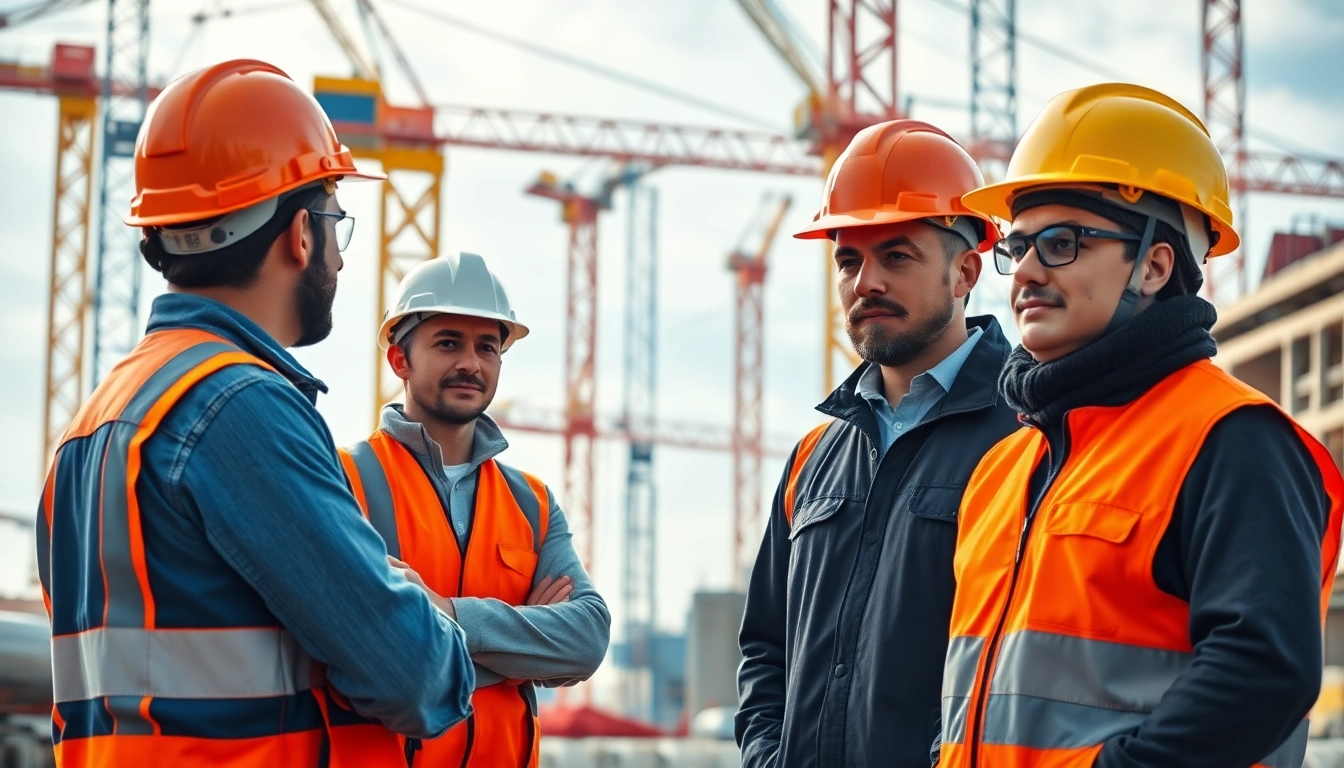
When we think of construction, images of towering buildings and intricate structures often come to mind. However, underpinning these visuals is a critical component that cannot be overlooked: construction site safety. Safety on construction sites is paramount, not only for compliance but for the wellbeing of all personnel involved. Let’s delve into the importance of construction site safety, its regulatory framework, and the common hazards faced on these dynamic sites.
Importance of Construction Site Safety
The implementation of effective safety measures on construction sites plays an essential role in reducing accidents and injuries. Statistically, construction is one of the industries with the highest rates of workplace accidents. According to various studies, thousands of construction workers are injured annually, some even fatally. Therefore, ensuring safety is not merely a regulatory obligation; it is a moral imperative.
Moreover, a strong safety culture enhances project efficiency. When workers feel safe, they are more likely to remain focused, leading to improved productivity and quality of work. Companies with robust safety protocols also benefit from reduced downtime and lower insurance costs, ultimately improving their bottom line.
Regulatory Framework for Construction Safety
The regulatory landscape is pivotal in shaping construction safety practices. Agencies such as the Occupational Safety and Health Administration (OSHA) in the United States set stringent guidelines aimed at protecting workers on job sites. Understanding and complying with these regulations is crucial for construction companies to avoid hefty fines and legal repercussions.
In addition to national regulations, many states and localities have additional requirements. Regular audits and safety inspections ensure adherence to these laws, providing a systematic approach to minimizing risks. Construction managers must stay informed about changes in legislation to keep their teams safe and compliant.
Common Hazards on Construction Sites
Various hazards can be found on construction sites, ranging from physical to chemical risks. Recognizing these hazards is the first step in risk mitigation. Some of the most common hazards include:
- Falls: Often considered the leading cause of fatalities in construction, falls can occur from ladders, scaffolding, or roofs.
- Electrocution: Workers may face electrical hazards when working with power lines or faulty equipment.
- Being Struck By Objects: Tools and materials can fall from heights, posing serious risks to ground-level workers.
- Machinery Accidents: Heavy equipment operation can lead to injuries if not used correctly or if safety protocols are ignored.
- Hazardous Materials: Exposure to chemicals can harm workers’ health if proper safety measures are not followed.
Understanding these hazards is crucial for devising effective safety measures tailored to specific site needs.
Implementing Safety Protocols
Establishing a culture of safety begins with the development of comprehensive safety protocols. Effective implementation of these protocols can significantly minimize hazards and enhance worker protection.
Developing a Safety Plan
A well-structured safety plan is the backbone of any construction site safety program. This plan should take into account the specific risks associated with the particular site and project type. Adequate assessment and documentation of potential hazards are essential in this process.
The safety plan should also include emergency procedures, pathways for reporting incidents, and channels for communication among team members. Furthermore, integrating worker input in the plan can provide valuable insights and foster a stronger commitment to safety.
Training Workers on Safety Practices
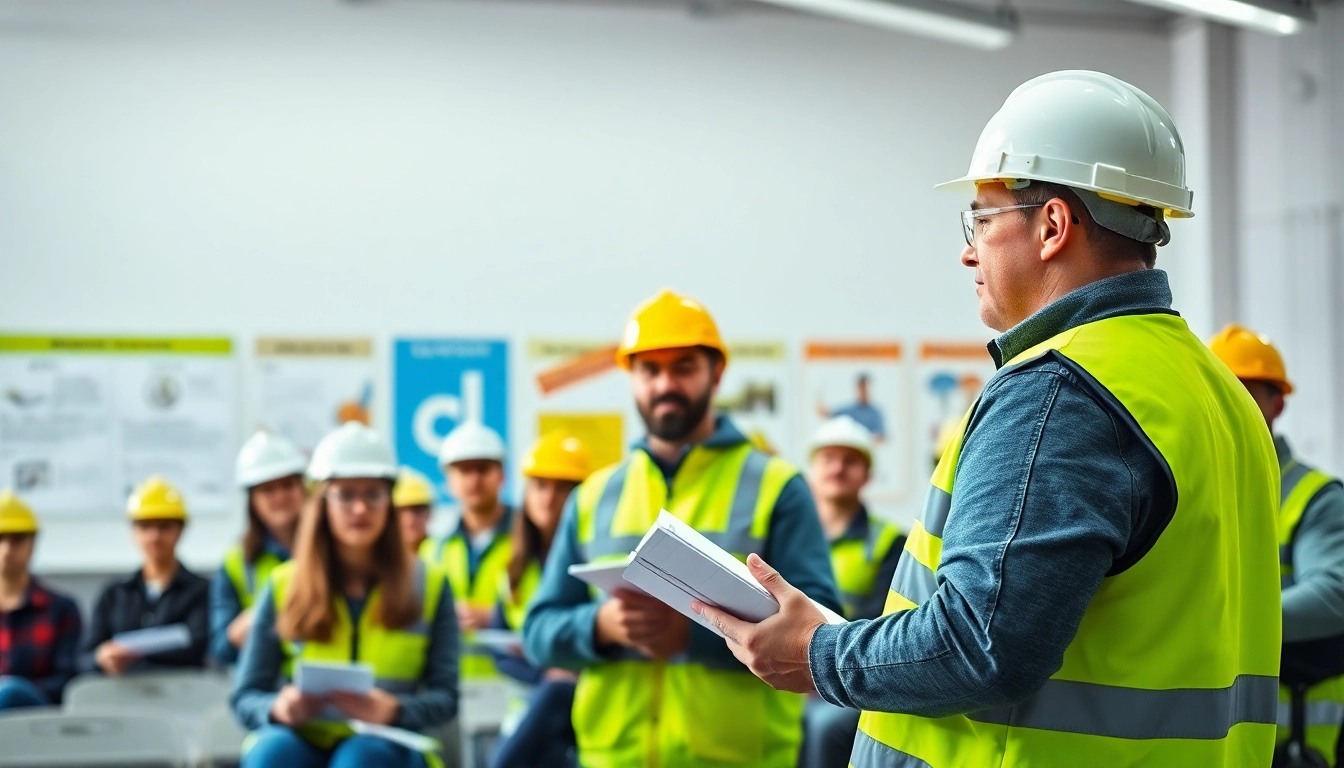
Regularly training workers on safety practices is fundamental to promoting awareness and compliance. Training programs should encompass general safety principles, site-specific hazards, and the proper use of equipment and Personal Protective Equipment (PPE).
Interactive training methods, such as hands-on demonstrations and simulation drills, can enhance engagement and retention of safety procedures among workers. It’s crucial to document training sessions and evaluate their effectiveness continually.
Monitoring Safety Compliance
To ensure safety protocols are being followed, continual monitoring of compliance is essential. This involves conducting regular safety audits and inspections, providing feedback, and recognizing compliance achievements.
Utilizing technology, such as safety management software, can streamline compliance tracking. Engaging workers in monitoring practices can also promote ownership of safety standards and improve accountability.
Personal Protective Equipment (PPE) Usage
Personal Protective Equipment (PPE) serves as the last line of defense for workers against job site hazards. Proper understanding and usage of PPE contribute significantly to construction site safety.
Types of PPE for Construction
Various types of PPE are specialized for different hazards. Essential PPE for construction includes:
- Hard Hats: Protect against head injuries from falling objects.
- Safety Glasses: Shield the eyes from dust and debris.
- Ear Protection: Safeguard against hearing loss in noisy environments.
- Respirators: Protect from inhaling hazardous substances.
- Gloves: Provide hand protection from cuts and chemicals.
- High-Visibility Clothing: Ensures workers are easily seen in low-light or busy environments.
Proper Use and Maintenance of PPE
Providing PPE is insufficient if it is not properly used and maintained. Workers must be trained on how to wear and adjust their PPE effectively. Regular inspections and replacements of damaged equipment are vital in ensuring optimum safety.
Employers should implement a PPE maintenance schedule that outlines cleaning and replacement timelines to prevent equipment degradation. This will also ensure that PPE remains functional and can provide the intended protection.
Educating Workers on PPE Standards
Education about PPE standards goes beyond just provisioning equipment. Training workers on regulatory compliance regarding PPE, the materials used in manufacturing, and the limitations of different gear is critical for ensuring safety.
Workers should be informed about recognizing the signs that their PPE needs replacement or repair. Continuous education fosters a culture of safety and accountability among the workforce.
Emergency Preparedness and Response
Emergencies can occur at any time on a construction site, which necessitates thorough preparedness and response strategies. Being prepared can save lives, protect property, and prevent project disruptions.
Creating Emergency Response Plans
Creating effective emergency response plans involves anticipating potential emergencies, such as medical emergencies, fires, or natural disasters. These plans should detail evacuation routes, communication protocols, and plans for notifying emergency services.
Involvement of all stakeholders in the development of these plans ensures comprehensive coverage of site-specific risks and challenges. Regular updates and revisions of the emergency response plans are also necessary as new hazards are identified.
Conducting Safety Drills
Regular safety drills are crucial for familiarizing workers with emergency procedures. Drills should simulate various scenarios and review response protocols, communication strategies, and evacuation routes.
Post-drill debriefings can provide insights into the effectiveness of the response plan and help identify areas for improvement. The aim is to create a workforce that knows how to act quickly and efficiently during an emergency.
Reporting and Analyzing Incidents
In the aftermath of any incident, reporting and thorough analysis are critical to prevent future occurrences. A detailed incident report should be created immediately, documenting the circumstances, people involved, and actions taken.
Analyzing incident reports can help establish patterns and uncover underlying issues, facilitating targeted improvements in safety practices. This proactive approach to safety management can significantly enhance overall site safety.
Measuring the Effectiveness of Safety Measures
To ensure that safety measures are effective, it is essential to measure their impact continuously. This assessment can guide improvements and validate the effectiveness of safety training and protocols.
Key Performance Indicators for Safety
Establishing Key Performance Indicators (KPIs) is fundamental in tracking safety performance. Some useful KPIs include:
- Number of incidents and near-misses
- Frequency of safety audits
- Training participation rates
- Time lost due to injuries
- Employee feedback on safety culture
Regular evaluations of these KPIs provide valuable insights into safety performance and drive continual improvement.
Assessing Safety Training Outcomes
To measure the effectiveness of safety training, it is crucial to evaluate not just attendance rates but actual behavioral changes. This can include observations of workers applying safety measures and their understanding of safety protocols.
Conducting follow-up assessments or quizzes can also gauge knowledge retention and identify areas needing further training, contributing to a more informed workforce.
Continuous Improvement in Safety Practices
Construction site safety is an ongoing process that requires commitment to continuous improvement. This involves regularly reviewing safety protocols, analyzing outcomes, and seeking employee feedback to refine procedures.
Encouraging openness and transparency in reporting hazards or suggesting improvements fosters a culture where safety is valued and prioritized. Through consistent evaluation and adaptation, construction companies can enhance their safety processes effectively.
Frequently Asked Questions
What is the primary goal of construction site safety?
The primary goal of construction site safety is to prevent accidents and injuries by implementing effective safety measures, ensuring compliance with regulations, and fostering a safety culture among workers.
Why is personal protective equipment crucial?
Personal Protective Equipment (PPE) is crucial because it provides essential protection against specific job site hazards, such as falls, chemical exposure, and heavy machinery, safeguarding workers’ health and safety.
How often should safety training occur?
Safety training should occur regularly, with initial training provided during onboarding, followed by ongoing sessions after incidents or changes in procedures to ensure skills and knowledge are up to date.
What should be included in an emergency response plan?
An emergency response plan should include evacuation procedures, communication protocols, designated emergency contacts, site maps of exit routes, and procedures for notifying emergency services.
How can companies measure the effectiveness of their safety programs?
Companies can measure the effectiveness of their safety programs by tracking Key Performance Indicators (KPIs), conducting regular audits, assessing incident reports, and gathering employee feedback on safety practices.