1. Introduction to Goechala Trek
1.1 Overview of the Goechala Trek
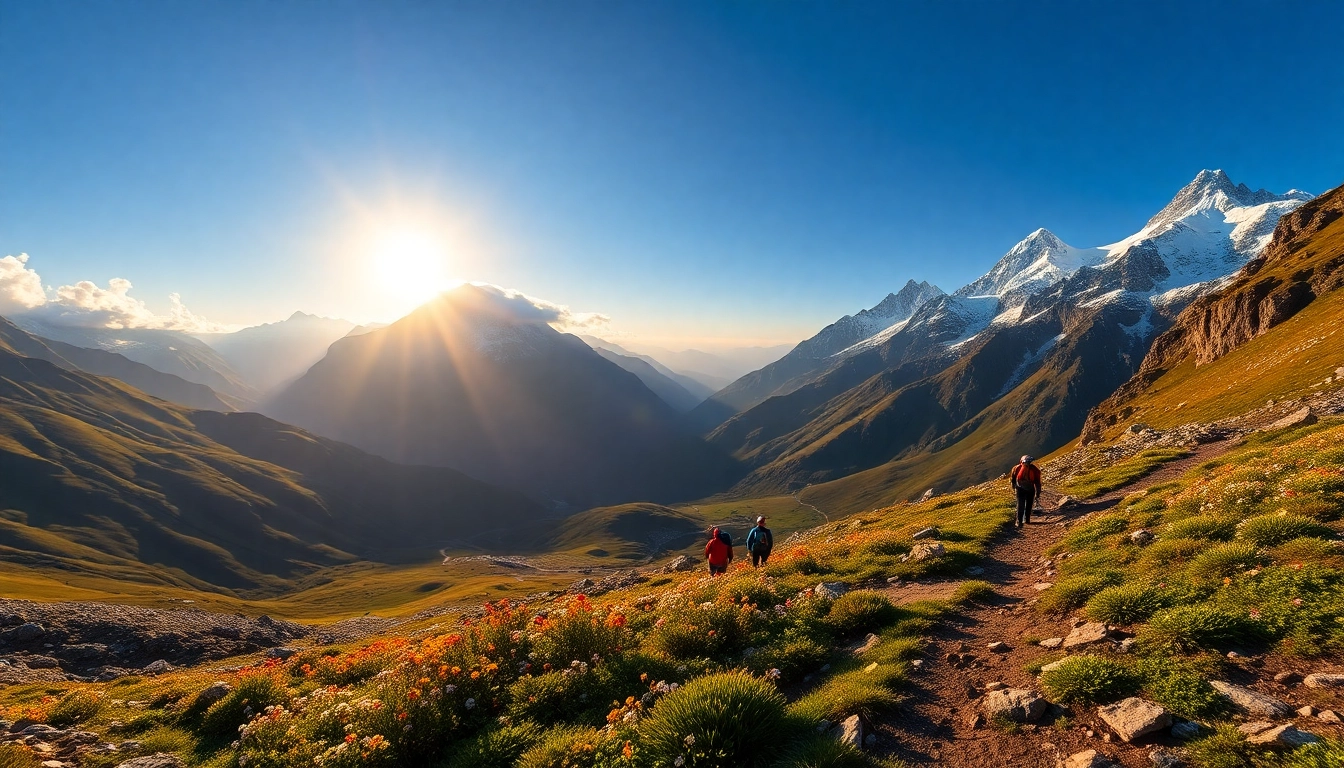
Nestled in the mesmerizing landscapes of Sikkim, the goechala trek is a breathtaking adventure that invigorates the spirit of trekkers with its scenic routes and majestic views. Spanning approximately 90 kilometers, this trek typically unfolds over 11 days, allowing trekkers to appreciate both the beauty of the Himalayas and the complexity of Sikkim’s rich biodiversity. The trek terminates at Goecha La, offering an awe-inspiring view of the third-highest peak in the world, Mount Kanchenjunga, along with a panorama of 14 other stunning peaks, each more captivating than the last.
1.2 Why Choose Goechala Trek?
The goechala trek is not just a trek; it’s an experience that engages all senses. Here’s why it’s a top choice among trekkers:
- Stunning Views: Goechala offers some of the best panoramic vistas of the towering peaks, including majestic views of Kanchenjunga, which is a bucket-list mountain for many climbers.
- Diverse Ecosystem: The trek traverses through lush forests, alpine meadows, and glacial valleys, featuring an array of flora and fauna unique to the region.
- Cultural Experience: Passing through quaint villages, trekkers engage with the local communities, learning about their customs and traditions.
1.3 Key Highlights of the Trek
Embarking on the goechala trek guarantees numerous highlights, including:
- Dzongri Viewpoint: A prime spot for watching sunrise over the mountains.
- Thansing: Known for its lush meadows and an ideal camping site.
- Goecha La: The ultimate destination, offering panoramic views of Kanchenjunga and surrounding peaks.
2. Preparations for the Goechala Trek
2.1 Physical Fitness Requirements
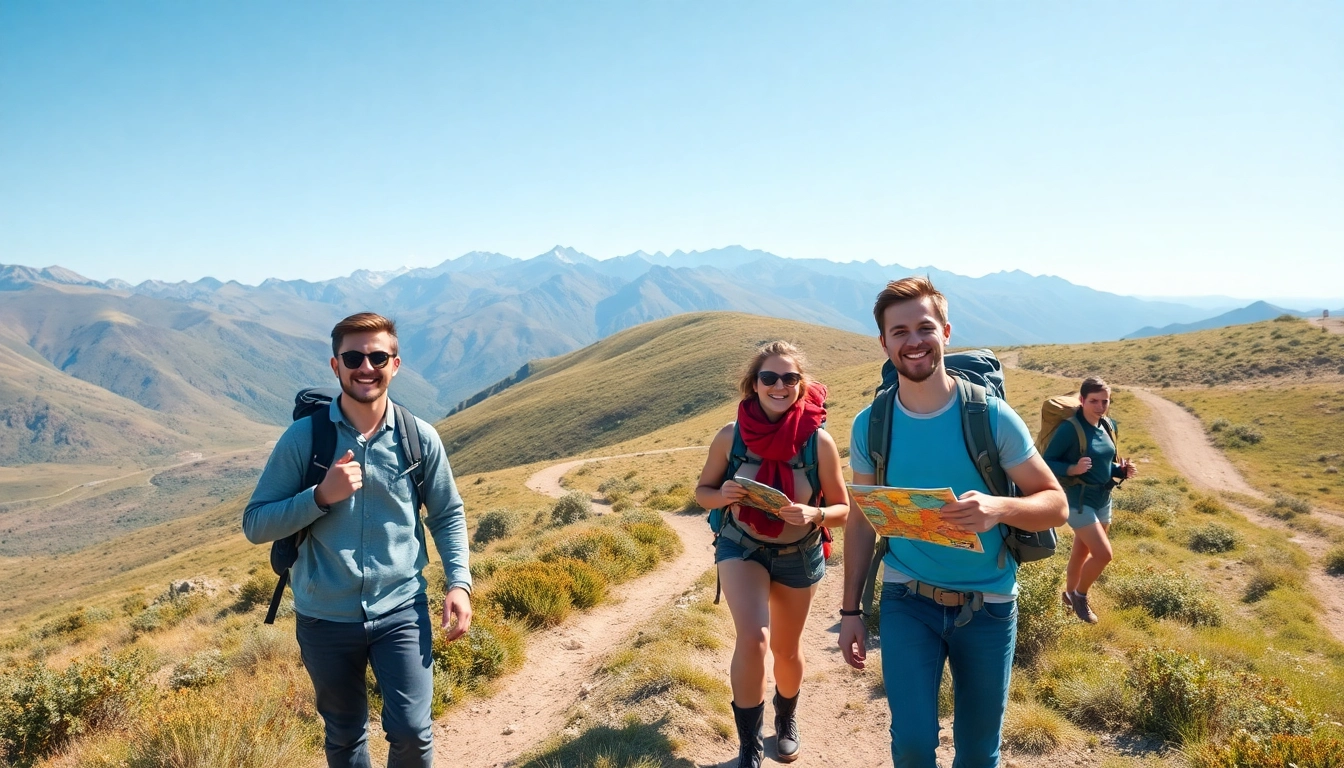
To undertake the goechala trek, trekkers must ensure they have a solid level of physical fitness. This trek is considered moderately challenging, requiring strength and endurance through rigorous ascents and descents. Aerobic exercises like running, swimming, and cycling should form the core of your training regimen. Additionally, incorporating strength training for legs, core, and back will enhance your endurance on the trek.
2.2 Gear and Equipment Needed
Proper gear is paramount for a successful trek. Essential items include:
- Footwear: Trekking boots with good grip and ankle support.
- Clothing: Layered clothing, including moisture-wicking base layers, insulating mid-layers, and waterproof outer layers.
- Sleeping Gear: A good quality sleeping bag rated for cold temperatures.
- Backpack: A durable, comfortable backpack to carry your essentials.
2.3 Best Time to Trek Goechala
The ideal time for the goechala trek is typically from late March to early June and mid-September to October. During these months, trekkers can enjoy clear skies and moderate weather, perfect for trekking and photography. The scenic beauty unfolds in full bloom in spring, while autumn presents a stunning backdrop of golden hues against the mountain ranges.
3. The Goechala Trek Itinerary
3.1 Day-by-Day Breakdown
The typical itinerary for the goechala trek stretches over 11 days, blending trekking, acclimatization, and exploration. Here’s a glimpse of what to expect:
- Day 1: Arrival at Yuksom – Acclimatization and briefing.
- Day 2: Trek from Yuksom to Sachen (10 km).
- Day 3: Trek from Sachen to Tshoka (7 km).
- Day 4: Trek from Tshoka to Dzongri (10 km).
- Day 5: Acclimatization day in Dzongri.
- Day 6: Trek to Thansing (8 km).
- Day 7: Trek to Goecha La and back to Thansing (12 km).
- Day 8: Trek back to Dzongri (10 km).
- Day 9: Trek back to Tshoka (10 km).
- Day 10: Trek back to Sachen, then return to Yuksom.
- Day 11: Departure from Yuksom.
3.2 Essential Points of Interest
Along the route, trekkers will encounter various points of interest including:
- Meadow of Thansing: Serene landscapes ideal for photography and camping.
- Dzongri Top: This is amongst the best locations for stunning sunrise views.
- Khangchendzonga National Park: A UNESCO World Heritage site teeming with diverse wildlife and flora.
3.3 Local Culture and Interactions
The goechala trek provides trekkers with invaluable experiences to interact with local communities. The rich culture of the Sikkimese, marked by their customs, festivals, and traditional attire, paints a vivid picture. Be sure to try local delicacies and perhaps learn a few phrases in the local language, which enriches the trekking experience.
4. Challenges and Safety Measures
4.1 Common Difficulties on the Goechala Trek
Trekkers may face several challenges, including:
- Altitude Sickness: As you ascend, lower oxygen levels may lead to discomfort. It’s essential to acclimatize properly.
- Weather Changes: Conditions in the mountains can change rapidly. Always be prepared for rain or snow.
- Physical Endurance: The trek’s length and elevation gain necessitate good physical condition.
4.2 Safety Tips for Trekkers
Maintain safety with these tips:
- Stay hydrated and consume energy-boosting snacks.
- Familiarize yourself with basic first-aid knowledge.
- Always trek in groups, especially in isolated areas.
4.3 Emergency Protocols
In case of emergencies, trekkers should adhere to these protocols:
- Have a communication device to contact your guide or local authorities.
- Keep a list of emergency contacts handy.
- Know the fastest routes back to safety in case of illness or injury.
5. Frequently Asked Questions about Goechala Trek
5.1 How difficult is the Goechala trek?
The Goechala trek is considered difficult, demanding a good level of physical fitness. It involves steep ascents and diverse terrains, requiring endurance.
5.2 What is the cost of the Goechala trek?
The average cost for the trek varies, typically around INR 3,000 for round-trip transportation, along with additional expenses for permits and accommodations.
5.3 How do I prepare for the Goechala trek?
Preparation involves building physical endurance through cardio and strength training, packing essential gear, and acclimatizing to avoid altitude sickness.
5.4 What should I pack for the Goechala trek?
A good backpack, quality trekking boots, layered clothing, a sleeping bag, and personal medications are crucial for a successful trek.
5.5 Can beginners attempt the Goechala trek?
While beginners may find it challenging, with adequate training and preparation, the trek can be possible for those willing to push their limits.