Understanding the Benefits of Metal Roofing
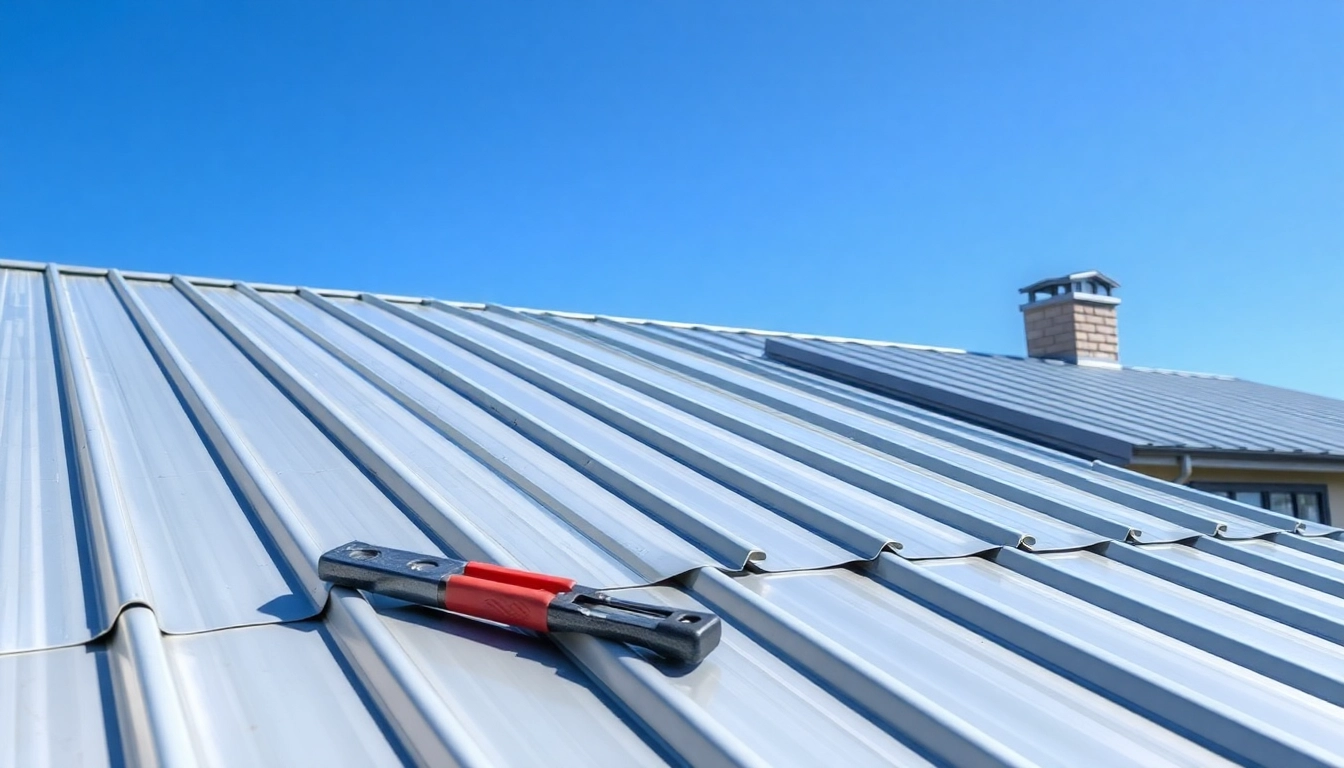
Metal roofing has gained popularity among homeowners and builders alike for a multitude of reasons. This building material offers numerous advantages that make it a resilient, sustainable, and aesthetic choice for both residential and commercial structures. Let’s delve into some of the key benefits that make metal roofing an ideal roofing solution.
Durability and Longevity of Metal Roofing
One of the most compelling reasons to consider metal roofing is its outstanding durability. Unlike traditional asphalt shingles, which have a lifespan of around 15-20 years, metal roofing can last upwards of 40-70 years, depending on the type of metal used and the quality of installation. This impressively long lifespan reduces the need for frequent replacements, which can incur significant costs.
Moreover, metal roofing is constructed to withstand harsh weather conditions. This includes resistance to high winds, as many metal roofing products can withstand gusts up to 140 mph. In addition, they are non-combustible, making them a safer choice in areas prone to wildfires. Their ability to shed snow and ice quickly helps prevent water accumulation, thus reducing the risk of leaks and structural damage.
Energy Efficiency Advantages
Metals are renowned for their energy efficiency, capable of reflecting solar radiant heat rather than absorbing it. This characteristic is especially beneficial in climates that experience high temperatures. Studies show that metal roofing can reduce cooling costs by up to 25%, thanks to its reflective properties.
Additionally, metal roofing products often come with options for energy-efficient coatings, enhancing their reflective capabilities even further. By maintaining cooler indoor temperatures, homeowners can rely less on air conditioning and save on energy bills. Some localities even offer tax incentives and rebates for installing energy-efficient roofs, making them a financially savvy choice.
Variety of Styles and Colors Available
A common misconception about metal roofing is that it solely comprises utilitarian designs, but this couldn’t be further from the truth. Manufacturers today offer a wide array of styles, colors, and finishes that can complement any architectural style. Homeowners can choose from textured finishes that mimic wood shakes or tile and sleek modern designs to fit their aesthetic preferences.
Additionally, metal roofing is highly customizable. This allows for unique color matching to existing structures, enhancing a home’s curb appeal. Whether you prefer a classic look with a standing seam profile or something modern and bold, there’s a metal roofing option to meet your needs.
Installation Process for Metal Roofing
Installing a metal roof can provide immediate physical and aesthetic benefits, but it’s crucial to follow a proper installation process to maximize its lifespan and performance.
Preparation and Planning Steps
Before the installation begins, homeowners should consider several preparation steps. The first step is assessing whether the existing roofing structure can support the weight of a metal roof. In most cases, metal roofing is lightweight, which adds minimal support requirements compared to alternatives like tiles or slate. However, it’s worth consulting with a professional to discuss structural integrity.
Next, it’s vital to choose the right type of metal roofing. Options include steel, aluminum, copper, and zinc, each offering distinct advantages and price points. Planning also includes determining whether to install over the existing roof or completely remove the old roofing material. In many cases, installing over existing shingles can reduce costs substantially, but local building codes must be adhered to.
Finally, organizing all necessary materials and tools ahead of time will streamline the installation process and minimize delays. A project timeline should also be established to manage expectations for completion.
Professional Installation Techniques
While DIY installation can be appealing, professional installation is often advisable due to the technical know-how required. A trained expert can ensure that materials are properly aligned, flashed, and secured, preventing common issues such as leaks or misconnections.
During professional installation, a weather-resistant underlayment is laid down as a precaution against leaks, providing an additional layer of protection. Installation grids are used to keep panels aligned, and sealants are applied to fasteners and seams to prevent water intrusion. Finally, a final inspection is completed to ensure everything meets local codes and manufacturer specifications.
Common Mistakes to Avoid
When it comes to installing a metal roof, several common mistakes can be avoided with proper planning and execution.
1. Ignoring Local Codes: Not complying with local building codes and regulations can lead to structural issues or fines. It’s essential to consult these guidelines before installation.
2. Improper Ventilation: Failing to ensure adequate ventilation can lead to moisture buildup, resulting in mold and structural damage. Proper ventilation helps manage attic temperatures and moisture levels.
3. Using Incompatible Materials: When replacing roofing material, ensure that the new metal isn’t incompatible with what’s already in place, as this can cause significant issues over time.
4. Neglecting Flashing: Proper flashing installation is crucial in preventing leaks at critical junctions like valleys, chimneys, and around vents.
5. Skipping Maintenance: After installation, many homeowners may assume the work is complete. Regular inspections and basic upkeep are vital to ensuring the roof performs optimally throughout its lifespan.
Cost Considerations for Metal Roofing
Understanding the financial implications of a metal roof is key for any prospective homeowner, and this includes initial investment, long-term savings, and other factors affecting cost.
Initial Investment vs. Long-term Savings
Metal roofing typically requires a higher upfront investment compared to traditional asphalt shingles. On average, homeowners can expect to pay between $7 and $12 per square foot for materials and installation, compared to $3 to $7 per square foot for asphalt.
However, this initial investment should be viewed as a long-term savings strategy. As mentioned earlier, the lifespan of metal roofing far surpasses that of asphalt shingles. The reduced frequency of replacement, combined with lower energy bills and minimal maintenance, can result in long-term savings that significantly outweigh the initial costs.
Furthermore, many metal roofing manufacturers offer warranties ranging from 20 to 50 years, further protecting your investment for years to come.
Factors Affecting the Cost
Several variables can influence the total cost of metal roofing. Some of these include:
– Material Type: The choice of metal (steel, aluminum, copper, etc.) plays a significant role in determining price. Cooper or zinc options, although more expensive, offer unparalleled durability and visual appeal.
– Style and Finish: Certain designs, such as standing seam or decorative panels, can be more costly due to their complex manufacturing processes. Finishes that enhance energy efficiency may add to the overall cost as well.
– Labor Costs: Geographic location significantly affects labor costs. Urban areas with higher living expenses may incur greater labor fees compared to rural settings.
– Roof Complexity: The intricacy of the roof’s design, including slopes, valleys, and additional structures, also impacts installation costs. A more complex roof will require additional labor and materials.
Financing Options for Homeowners
Considering the higher initial investment of metal roofing, homeowners should explore financing options. Many contractors offer payment plans that allow homeowners to spread out costs over time. This can make obtaining a metal roof financially feasible for those concerned about upfront expenses.
Additionally, various government programs and energy efficiency rebates exist for homeowners who opt for energy-efficient options. Investigating local and federal tax credits can help offset some costs, and programs offered by local credit unions might be advantageous as well.
Maintenance Tips for Metal Roofing
Proper maintenance of metal roofing can extend its lifespan and ensure optimal performance. Here are some useful tips for keeping your roof in prime condition.
Routine Inspections and Cleaning
Conducting routine inspections and cleaning of metal roofing is vital in maintaining its appearance and functionality. Homeowners should inspect their roofs at least twice a year—ideally in spring and fall.
During inspections, pay close attention to seams and flashing for signs of wear or improper sealing. The roof should also be free from debris such as leaves, branches, or dirt, which can trap moisture and induce corrosion.
It’s beneficial to wash the roof with water and mild detergent at scheduled intervals to remove dirt and grime buildup. However, it’s advisable to avoid pressure washing, as this can damage the protective coating of the metal.
Common Repairs and Solutions
Though metal roofs are highly durable, they are not immune to wear and damage. Common repairs might include patching small holes or replacing damaged panels.
Using the correct materials for repairs is crucial; for instance, match the metal type and finish to ensure consistent appearance and performance. Any necessary repairs should be promptly addressed to prevent further issues.
For rust or corrosion, applying a rust-inhibiting primer and a compatible paint can help restore the roof’s integrity. Regular inspections will help identify wear before they lead to larger issues down the line.
Seasonal Preparation Guidelines
Preparing your metal roof for seasonal changes can prevent damage and prolong its lifespan. In the fall, homeowners should clear away leaves and debris to minimize moisture buildup.
During the winter, checking insulation levels helps prevent ice dam formation and excessive snow accumulation. Ensuring gutters and downspouts are clear aids in proper water drainage, preventing potential leaks or water intrusion.
Finally, in the spring, a thorough inspection can reveal any potential damage from winter storms, allowing for timely repairs before summer’s arrival.
FAQs About Metal Roofing
What is the lifespan of metal roofing?
Metal roofing can last 40-70 years, depending on materials and installation quality.
Is metal roofing energy efficient?
Yes, metal roofing reflects solar radiant heat, helping reduce cooling costs significantly.
How does metal roofing resist damage?
Metal roofing is resistant to wind, rain, and snow, providing exceptional protection.
Can I install metal roofing myself?
While DIY is possible, professional installation is recommended for safety and durability.
What styles of metal roofing are available?
Metal roofing comes in various styles, including standing seam, tiles, and corrugated sheets.