
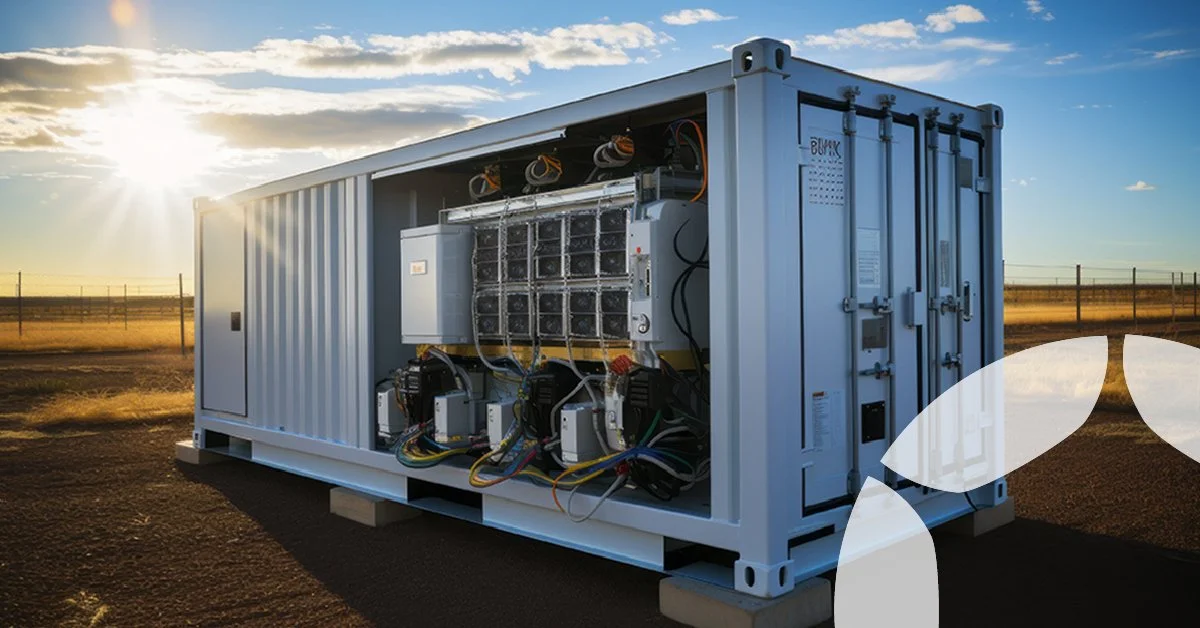
The modern electrical grid is facing unprecedented challenges. With the rising demand for renewable energy, intermittent power generation, and increasing electricity consumption, maintaining a stable and reliable grid has never been more critical. This is where battery storage companies come into play. By providing innovative energy storage solutions, these companies are transforming the way electricity is produced, stored, and consumed, ensuring that the grid remains resilient in the face of fluctuations.
The Growing Need for Grid Stability
As countries transition toward renewable energy sources such as solar and wind, the issue of grid stability becomes more pressing. Unlike traditional fossil fuel power plants that can adjust output based on demand, renewable energy generation is variable. Solar panels produce electricity only during daylight hours, and wind turbines are dependent on wind conditions. Without proper energy storage, this variability can lead to power shortages or grid instability.
Battery storage companies address this challenge by storing excess energy when production exceeds demand and releasing it when consumption is high. This capability is crucial for balancing supply and demand in real time, reducing the risk of blackouts, and maintaining a stable grid.
How Battery Storage Companies Support Renewable Integration
One of the main roles of battery storage companies is to facilitate the integration of renewable energy into the grid. By providing large-scale storage solutions, these companies ensure that clean energy generated from solar and wind farms can be effectively utilized. When renewable production exceeds immediate demand, batteries store the surplus energy, preventing waste and allowing it to be used during peak hours or low-generation periods.
This storage capability not only supports renewable integration but also enhances energy efficiency. With the help of battery storage companies, utilities can optimize grid operations, reduce reliance on backup fossil fuel generators, and lower greenhouse gas emissions.
Enhancing Grid Reliability and Resilience
Grid reliability is more than just preventing outages; it also involves ensuring consistent voltage and frequency levels. Fluctuations in power supply can damage electrical equipment and disrupt critical services. Battery storage companies provide solutions that stabilize voltage, frequency, and power quality. Their advanced energy storage systems act as buffers, smoothing out inconsistencies and providing emergency power when needed.
In times of natural disasters or unexpected demand spikes, these companies play a vital role in maintaining grid resilience. By deploying battery storage systems, utilities can respond quickly to disruptions, prevent cascading failures, and maintain service continuity for essential services.
Cost Savings and Economic Benefits
Beyond technical advantages, battery storage companies offer significant economic benefits. Energy storage can reduce the need for expensive peaking power plants, which are traditionally used to meet short-term demand spikes. By storing cheaper, off-peak energy and releasing it during peak hours, batteries help lower electricity costs for both utilities and consumers.
Furthermore, investments in battery storage create new job opportunities and drive innovation in the energy sector. As battery storage companies expand their operations, they contribute to economic growth while supporting the transition to a cleaner, more sustainable energy future.
Supporting Decentralized Energy Systems
The rise of decentralized energy systems, including microgrids and community solar projects, has further highlighted the importance of battery storage companies. Decentralized systems rely on local energy generation and storage to reduce dependence on central utilities. Battery storage enables these systems to operate independently, manage local demand, and provide backup power during outages.
By empowering decentralized energy networks, battery storage companies help communities achieve energy security and resilience. This decentralization also enhances grid flexibility, allowing utilities to manage energy flows more effectively and respond to dynamic demand patterns.
Future Outlook for Battery Storage Companies
The future of energy depends heavily on the capabilities provided by battery storage companies. As technology advances, battery storage systems are becoming more efficient, longer-lasting, and cost-effective. Emerging solutions, such as flow batteries and solid-state batteries, promise even greater capacity and faster response times, further strengthening grid stability.
Governments and utilities are increasingly recognizing the strategic importance of battery storage. Policies and incentives are being implemented to encourage adoption, driving growth for battery storage companies worldwide. As demand for renewable energy continues to rise, these companies will play an even more critical role in ensuring that the grid remains reliable, efficient, and resilient.
In conclusion, battery storage companies are essential for maintaining grid stability in an era of increasing renewable energy adoption and growing electricity demand. By storing excess energy, smoothing out supply fluctuations, supporting renewable integration, enhancing grid reliability, and providing economic benefits, these companies are indispensable to modern energy systems. Their contributions enable a cleaner, more resilient, and cost-effective grid, ensuring that communities have access to reliable electricity today and in the future.