What is Structural Timber Frame?
Definition and Overview
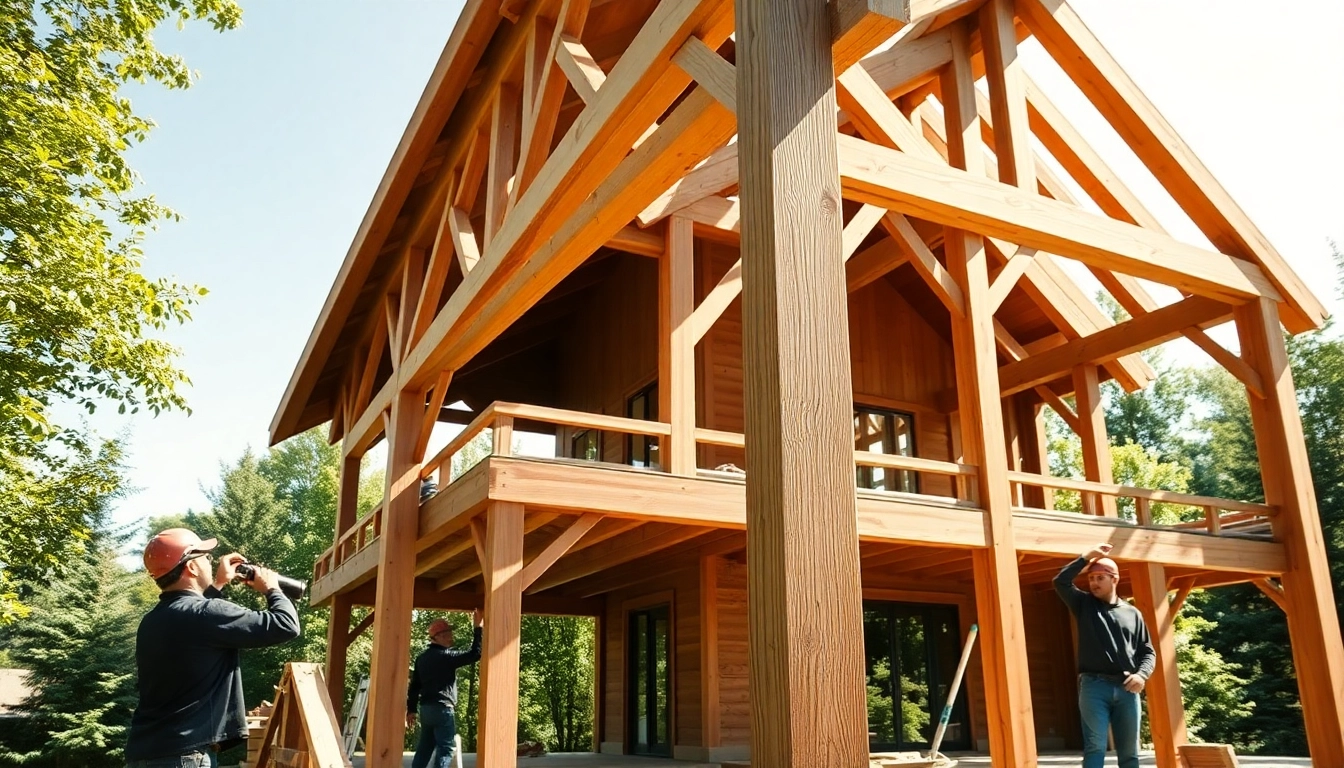
The Structural Timber Frame represents a sophisticated and efficient building technique. Utilizing large wooden beams and posts, this construction style offers a framework that supports the weight of the structures above it while providing a sturdy and durable solution for both residential and commercial buildings. The use of timber, a renewable resource, stands at the heart of this method of construction, marking a significant choice in sustainable building practices.
Key Components of Structural Timber Frame
At the core of any Structural Timber Frame lies several critical components that work in concert to create a robust framework. These key elements include:
- Timber Beams and Posts: These are the primary load-bearing elements that define the strength of the frame.
- Bracing: Provides lateral stability to counteract forces such as wind or seismic pressure.
- Connections: Mortise and tenon joints, metal connectors, and bolts are essential for ensuring structural integrity.
- Sheathing: This outer layer is often made of plywood or oriented strand board, providing weather protection and additional stiffness to the structure.
Benefits of Using Structural Timber Frame
The advantages of adopting a Structural Timber Frame approach are numerous:
- Speed of Construction: Timber frames can be prefabricated off-site, leading to quicker assembly on-site.
- Design Flexibility: The structural properties of timber allow for various architectural designs and layouts.
- Cost-Effectiveness: Reduced construction time often translates to lower labor costs, and the use of timber can be more cost-efficient than other materials.
- Environmental Impact: Timber is a natural insulator and a renewable resource, making it a more sustainable option than traditional materials.
Types of Structural Timber Frame
Heavy Timber Construction
Heavy timber construction utilizes larger, heavier timbers that can span considerable distances without requiring additional support. This type of framing is often seen in commercial applications where large open spaces are desired. It has a rustic aesthetic that showcases the beauty of natural wood and is suitable for structures like barns and community centers.
Lightweight Timber Frame
Conversely, lightweight timber frames typically employ smaller, engineered wood products such as laminated veneer lumber (LVL) or oriented strand board (OSB). This type of framing is ideal for residential construction and tends to be more economical and efficient. It allows for faster assembly and supports a variety of cladding and insulation materials.
Hybrid Structural Systems
Hybrid systems combine elements of both heavy and lightweight timber construction, integrating steel or concrete components where necessary to enhance structural performance. This approach allows for unique design opportunities and improved durability, making it particularly useful in complex architectural projects.
Advantages of Structural Timber Frame
Environmentally Friendly Building Material
Timber is often hailed for its minimal environmental impact. As a renewable resource, responsibly sourced timber can contribute to sustainable forestry practices, and its carbon sequestration capabilities help mitigate climate change. Furthermore, timber frames can significantly improve energy performance, reducing the overall ecological footprint of a building.
Cost-Effectiveness and Speed of Construction
Utilizing structural timber frames can lead to substantial savings in construction costs and time. Prefabrication not only speeds up the building process but also minimizes material waste. The ability to construct quicker helps in reducing financing costs associated with extended building times.
Energy Efficiency and Longevity
A well-constructed timber frame can deliver exceptional energy efficiency. The inherent insulating properties of wood, combined with the potential for enhanced insulation techniques, can lower heating and cooling costs. Moreover, when maintained properly, timber structures can last over a century, showcasing their durability and potential for long-term value.
Challenges in Structural Timber Frame Construction
Common Issues to Consider
Despite its numerous benefits, structural timber frame construction is not without challenges. Common issues may include susceptibility to pest damage, moisture-related problems like rot, and fire risk. Understanding these concerns is crucial for successful project planning and management.
Mitigation Strategies
To address potential issues, several mitigation strategies can be implemented. For instance, using treated timber can significantly reduce the risk of rot and pest infestations. Additionally, employing moisture barriers and ensuring adequate ventilation during construction can minimize moisture-related problems.
Understanding Maintenance Needs
Timber buildings require regular maintenance to extend their lifespan. Routine inspections for signs of damage, such as cracks or excessive wear, can help identify problems early. Implementing a proactive maintenance schedule is essential to preserve both the structural integrity and aesthetics of timber frame buildings.
Future Trends in Structural Timber Frame
Innovations in Design and Technology
The future of structural timber frame construction will likely be shaped by technological advancements. Innovations such as robotic fabrication, digital modeling, and enhanced manufacturing techniques are poised to revolutionize how timber is used, making the building process more efficient and enhancing design capabilities.
Sustainable Practices in Timber Construction
Sustainability will continue to be a defining factor in construction practices. The integration of sustainable materials and methods, alongside certifications like LEED and BREEAM, will increasingly become standard in the industry as clients demand environmentally responsible solutions.
Emerging Markets and Opportunities
As global populations grow, the demand for housing and commercial spaces will rise. Emerging markets will present new opportunities for structural timber frames, especially in regions where traditional materials are scarce or have led to high carbon footprints. Leveraging timber's unique properties for various applications will be crucial.
Frequently Asked Questions (FAQs)
What are the disadvantages of timber frame construction?
Timber frame constructions may face issues like susceptibility to rot, damage from insects, and fire risks. It's important to consider these factors while selecting timber as a building material.
How long does a timber framed house last?
A well-built and properly maintained timber frame house can last over 100 years. Quality materials and regular maintenance are key factors in determining its longevity.
Is a timber framed house a good investment?
Timber frame houses can be economical, especially for first-time buyers, due to their reduced build time and often lower costs. They provide solid value when well-maintained.
Can I customize a timber frame home?
Yes, timber frame homes are highly customizable, allowing homeowners to adapt layouts and designs for better natural light or unique features.
How does timber frame compare to other building types?
Timber frame structures can offer advantages such as quicker construction, better environmental impact, and greater design flexibility compared to traditional masonry or concrete methods.