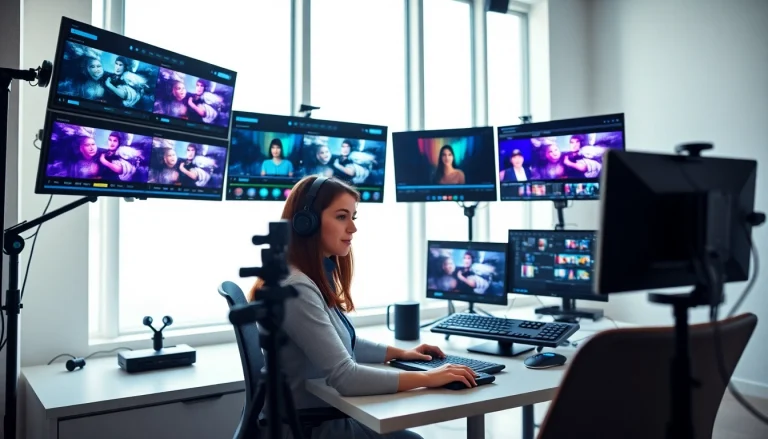
The Role of Professional Video Editors in Modern Filmmaking
In the fast-paced world of digital content, professional video editors play a pivotal role in shaping the visual narrative of a project. Whether it's a feature film, corporate video, or a social media clip, these skilled professionals bring together raw footage and transform it into a compelling story. Their expertise not only enhances the viewing experience but also allows directors and producers to communicate their vision clearly. As the demand for video content continues to rise, understanding the complexities of video editing becomes essential for anyone involved in the media landscape. Many creators find that the quality of their final product directly hinges on the proficiency of professional video editors.
Understanding Video Editing Basics
Video editing is more than simply cutting and splicing footage together; it’s a comprehensive process that encompasses various stages including organizing footage, adding effects, and finalizing the audio. The primary tasks in video editing comprise:
- Importing footage: Editors begin by importing raw footage into their editing software, organizing it into manageable sections.
- Reviewing and selecting takes: The editor goes through the footage to choose the best takes that will effectively tell the story.
- Cutting and arranging: This involves assembling the selected clips into a coherent sequence while making sure the narrative flows smoothly.
- Applying transitions and effects: Editors add transitions between clips and special effects to enhance visual storytelling.
- Fine-tuning audio: Sound design is crucial, and editors work on mixing audio levels, adding music, and ensuring sound quality is clear and engaging.
- Exporting the final project: Once everything is refined, the final product is exported in the desired format for distribution.
This multi-layered process requires a keen eye for detail, a creative mindset, and technical proficiency in video editing software.
Key Skills Every Professional Video Editor Should Have
To excel in video editing, one must possess a blend of technical skills and creative abilities. Here are some vital skills that professional video editors typically have:
- Technical Proficiency: Familiarity with industry-standard software like Adobe Premiere Pro, Final Cut Pro, and DaVinci Resolve is imperative.
- Attention to Detail: A strong attention to detail ensures that every frame is polished, every cut is precise, and every audio clip is perfectly aligned.
- Creativity: An editor must have a creative eye to innovate and add unique touches that add value to the project.
- Storytelling Ability: Editors should understand narrative structure and pacing to create an engaging flow that resonates with viewers.
- Communication: Effective communication skills are essential for collaborating with directors and other team members to understand the project goals.
- Organizational Skills: Editing often involves managing large amounts of footage and various versions of projects, demanding strong organizational abilities.
The Importance of Collaboration in Video Editing
Collaboration is a cornerstone of the video editing process. Editors frequently work alongside directors, producers, and sound professionals to ensure the final product aligns with the original vision. Here’s how collaboration enhances the editing process:
- Feedback Loops: Regularly scheduled reviews allow team members to provide constructive feedback, which helps refine the project continuously.
- Creative Input: Directors often have specific visions, and editors contribute by suggesting creative techniques and styles that can elevate the narrative.
- Problem Solving: Collaboration encourages brainstorming solutions to challenges that arise during production and editing.
Open communication channels and mutual respect within the team foster a healthy working environment conducive to producing high-quality content.
Choosing the Right Professional Video Editor for Your Project
Finding the right professional video editor is crucial for the success of your project. To ensure you choose wisely, consider the following aspects:
Evaluating Experience and Specializations
Not all video editors possess the same background or expertise. When searching for a professional, assess their experience and specialization:
- Check Experience Levels: Look for editors who have worked on projects similar to yours. Experienced editors may have insights that can enhance your project.
- Assess Specializations: Some editors focus on specific genres, such as corporate videos, documentaries, or music videos. Finding an editor with the right specialization can greatly benefit your project.
How to Review Portfolios Effectively
Reviewing a video editor's portfolio is essential to gauge their style and capabilities. Here’s what to look for:
- Diversity of Work: A well-rounded portfolio showcases a range of editing styles and techniques, demonstrating flexibility.
- Quality of Projects: Focus on the overall quality of the work presented rather than quantity. High-quality edits indicate a professional level of craftsmanship.
- Consistency: Look for a consistent signature style across different projects that aligns with your vision.
Client Testimonials and Their Significance
Client testimonials provide valuable insights into an editor’s work ethic and the quality of their output. When evaluating testimonials:
- Look for Specifics: Testimonials that cite specific projects or outcomes often provide a deeper understanding of the editor's strengths.
- Examine Response to Feedback: Positive feedback about how an editor receives and implements client suggestions is a good indicator of professionalism.
Common Mistakes When Hiring Professional Video Editors
Hiring a video editor can be a daunting process, and several common mistakes could tarnish the outcome. Avoid these pitfalls to secure a great editing experience:
Ignoring Budget vs. Quality
While it may be tempting to choose the lowest bidder, it’s important to balance budget with the quality of work:
- Understanding Costs: Familiarize yourself with average rates in your area and for your needed project type to set a realistic budget.
- Value Over Price: Invest in experienced editors who may headline a higher upfront cost but yield a polished final product.
Overlooking Communication Skills
Clear communication is vital to successful collaborations. Consider the following:
- Initial Conversations: Pay attention to how well the editor communicates during initial discussions—this is indicative of future interactions.
- Check Responsiveness: Evaluate their responsiveness to inquiries. An editor who takes time to answer questions shows dedication.
Failing to Set Clear Expectations
One of the most significant missteps can be failing to articulate your project goals and expectations. Establish the following:
- Define Project Scope: Specify timelines, budget constraints, and specific creative needs at the outset of the project.
- Regular Updates: Schedule check-ins to ensure mutual understanding, allowing for adjustments on both sides if necessary.
Best Practices for Working with Professional Video Editors
Once you’ve selected a professional video editor, effective collaboration becomes essential for achieving your project's goals. Consider these best practices:
Establishing Clear Project Goals
Begin your project with a clear outline of your overall objectives. Here’s how to do it effectively:
- Create a Brief: Develop a comprehensive project brief detailing the vision, audience, and desired outcomes.
- Collaborate on Goals: Discuss objectives with your editor to ensure their understanding and alignment with your vision.
Methods for Providing Constructive Feedback
Feedback is a crucial part of the editing process—here’s how to offer it effectively:
- Be Specific: When giving feedback, aim for clear, precise comments that avoid ambiguity.
- Stay Objective: Focus on the work rather than the creator. Constructive feedback leads to improvement without personal offense.
Understanding Post-Production Collaboration Tools
Using the right collaboration tools can streamline the editing process. Here’s what you should know:
- Editing Software: Familiarize yourself with the editing software your video editor uses to facilitate communication.
- Collaboration Platforms: Utilize platforms like Frame.io or Vimeo where editors can share drafts and receive feedback in real-time.
The Future of Video Editing: Trends and Innovations
The landscape of video editing is evolving rapidly, influenced by tech advancements and changing viewer preferences. Here are some trends shaping the future:
Emerging Software and Tools for Video Editors
The advent of new tools and software continually enhances the editing experience. Notably:
- Cloud-Based Tools: Software like Adobe Premiere Rush and DaVinci Resolve Cloud focuses on seamless collaboration for remote projects.
- Enhanced User Interfaces: Improved user interfaces in software foster smoother workflows, making editing more accessible to novices.
Incorporating AI in Video Editing Processes
Artificial intelligence is starting to influence editing processes significantly:
- Automated Editing: AI tools capable of analyzing footage to create rough cuts or suggestion edits are emerging, saving time and effort.
- Smart Effects: AI can also enhance color grading and sound correction, elevating the final product's quality with minimal manual input.
The Growing Demand for Professional Video Editors
As consumer demand for video content increases, the role of professional video editors is more critical than ever:
- Expanding Industry: The rise of digital platforms means more creators need skilled editors to meet audience expectations.
- Versatile Skills: Editors who can adapt their styles to various formats, from social media clips to long-form documentaries, will find greater opportunities.