
Essential Running Gear
Embarking on a running journey requires not only dedication and training but also the right running essentials. These essentials, often overlooked by new runners or casually experienced enthusiasts, are fundamental in enhancing performance, comfort, and safety during runs. Below, we delve into the core components that every runner should consider, ensuring a solid foundation for their running adventures.
The Importance of Proper Running Shoes
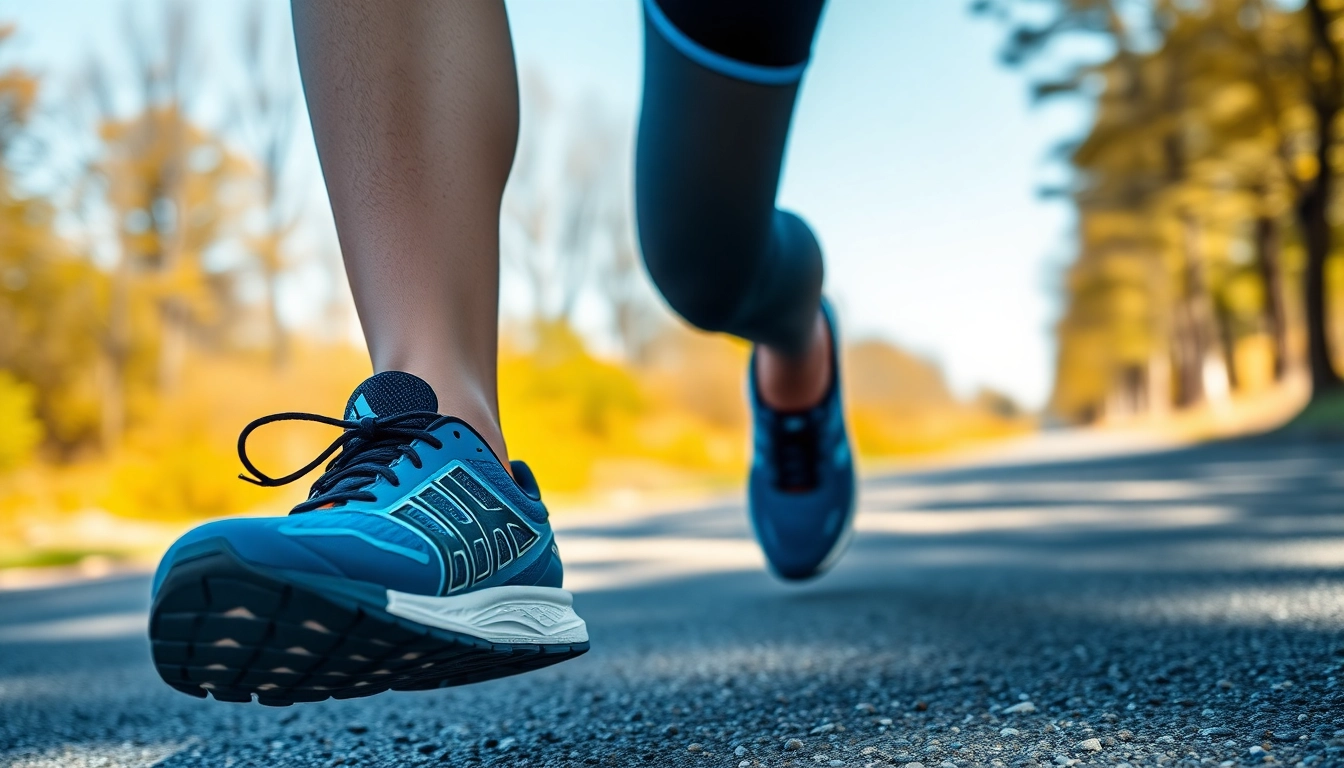
Running shoes are arguably the most critical piece of equipment for any runner. Unlike ordinary footwear, they are specifically designed to provide support, cushioning, and traction tailored for the unique mechanics of running. Finding the right pair involves understanding your foot type—whether flat, neutral, or high-arched—and recognizing the specific running surface you'll encounter, such as road, trail, or track.
Moreover, the fit of a running shoe is crucial. A well-fitted shoe reduces the risk of blisters, calluses, and more severe injuries such as plantar fasciitis and shin splints. When shopping for running shoes, it’s advisable to have your feet measured and try on several pairs at the end of the day when they are slightly swollen, mimicking the conditions during a run. Brands often cater to various runners, so researching and testing several options is key to ensuring maximum comfort.
Optimal Clothing Choices for Running
Your choice of clothing can significantly influence your running experience. Opting for moisture-wicking, breathable fabrics designed specifically for physical activity can enhance comfort and performance. For instance, running shirts made from synthetic fibers help draw sweat away from the skin, maintaining a comfortable body temperature.
Layering is essential as weather conditions vary. In colder months, synthetic thermal layers or merino wool base layers help retain heat without adding excess weight. In hotter weather, lightweight shorts or capris along with tank tops or short-sleeve shirts allow airflow and minimize sticking. Don’t overlook accessories like hats and gloves, which can provide comfort and warmth during early morning or evening runs.
Hydration Tools and Accessories
Staying hydrated is paramount for performance and recovery in running. Inadequate hydration can lead to decreased endurance, impaired performance, and even serious health risks. The right hydration tool for runners depends on the duration and intensity of the run. For shorter runs, handheld water bottles or waist packs may suffice; however, longer distances might require the use of hydration vests or belts that securely hold water bottles, electrolytes, and energy gels.
Incorporating electrolyte drinks can further enhance hydration, especially in warmer climates. Experimenting during training to find the ideal hydration solution can significantly affect overall performance and comfort levels on race day.
Additional Accessories to Enhance Your Run
Running Watches and Fitness Trackers
In recent years, running watches and fitness trackers have gained immense popularity among runners. These devices do far more than simply track distance; they provide critical metrics like pace, heart rate, and even GPS tracking for routes. Using such technology can enhance training by allowing runners to analyze data post-run, adjust their pacing, and understand their aerobic thresholds more clearly.
Choose a watch that aligns with your goals. For example, some prefer simplified models that merely track distance and time, while others benefit from more advanced features like customizable workouts, interval timers, and even navigational aids.
Safety Gear for Night Running
Running at night or in low-light conditions necessitates safety gear to ensure visibility and safety. Reflective gear, LED running lights, and illuminated armbands can help alert others to your presence, greatly reducing the risk of accidents. In addition, investing in well-lit running shoes or taillights is beneficial for enhancing visibility.
Furthermore, choosing routes that are well-lit and populated can increase safety during these runs. Always make sure to remain aware of your surroundings and consider carrying a form of identification in case of emergencies.
Recovery Tools Post-Run
Active recovery is critical for runners, and incorporating recovery tools can help alleviate soreness and improve performance over time. Foam rollers and massage sticks are excellent tools for self-myofascial release, helping to relieve tightness in muscles after long runs. Many runners also benefit from compression sleeves or socks, which can enhance circulation and reduce swelling post-exercise.
Additionally, investing in a quality massage ball can target specific muscle groups more effectively, aiding recovery and keeping you in peak running condition.
Tips for Selecting the Right Running Essentials
Evaluating Your Running Style
Understanding your running style, often categorized into overpronators, neutral runners, and underpronators, is essential when selecting shoes and gear. Specific trainers accommodate different pronation levels, providing the needed support and cushioning. Having a gait analysis done at a specialty running store can yield significant insights into the right footwear.
Considering Weather Conditions
Your running gear must adapt to the climate in which you run. In hot weather, less is more—shorts and a lightweight top are crucial. During colder months, layering is essential. Start with a moisture-wicking base layer, a thermal layer for insulation, and an outer windbreaker. Rainy weather gear should include water-resistant shoes and breathable jackets tailored for wet conditions.
Setting a Budget for Running Gear
While it’s tempting to invest in every trendy running gadget and accessory, setting a realistic budget is crucial. Prioritize your investments based on essentials: shoes should come first, followed by essential clothing and hydration tools. Save up for longer-term investments like quality watches or recovery tools when the budget allows, ensuring you get the best value for each purchase.
How to Care for Your Running Equipment
Maintenance of Running Shoes
Caring for your shoes will extend their life and improve your running experience. Clean your shoes regularly to remove dirt and mud, allowing the materials to breathe. Store them in a cool, dry place—avoid leaving them in the trunk of your car—where they could warp due to heat. Rotate between two pairs if you run frequently, as this gives each pair time to decompress and dry out properly.
Cleaning and Storing Apparel
The right care for your running apparel will maintain the performance of moisture-wicking fabrics. Always follow labeling guidelines and wash in cold water to preserve material integrity. Air-drying is ideal to prevent shrinkage and preserve elasticity. Ensuring that your workout gear is free from damage ensures optimal performance.
Taking Care of Hydration Accessories
Regular cleaning is crucial for hydration tools, as bacteria can build up in reusable bottles and bladders. Hand wash with mild soap and warm water, ensuring all components are dried thoroughly before reassembly. Replace hydration packs or bottles every couple of years, depending on the frequency of use and wear.
Frequently Asked Questions About Running Essentials
What are the essential items for new runners?
New runners generally need running shoes, moisture-wicking socks, a running shirt, and appropriate shorts or tights. Additionally, hydration solutions are essential for longer runs.
How important is hydration while running?
Hydration is crucial as it helps maintain performance, prevents overheating, and reduces the risk of injury during runs. It’s essential to drink before, during, and after running.
Can I use regular shoes for running?
While regular shoes can be used for short runs, they do not provide the necessary support, cushioning, and stability, which can lead to injuries over time.
What should I wear during winter runs?
When running in winter, wear layers that wick moisture and retain heat, including thermal base layers, breathable upper layers, and a wind-resistant outer layer, along with accessories like gloves and hats.
How do I choose the right running socks?
Select running socks made from moisture-wicking fabrics that fit snugly without bunching or slipping. Look for options with cushioning or arch support tailored to your running style.