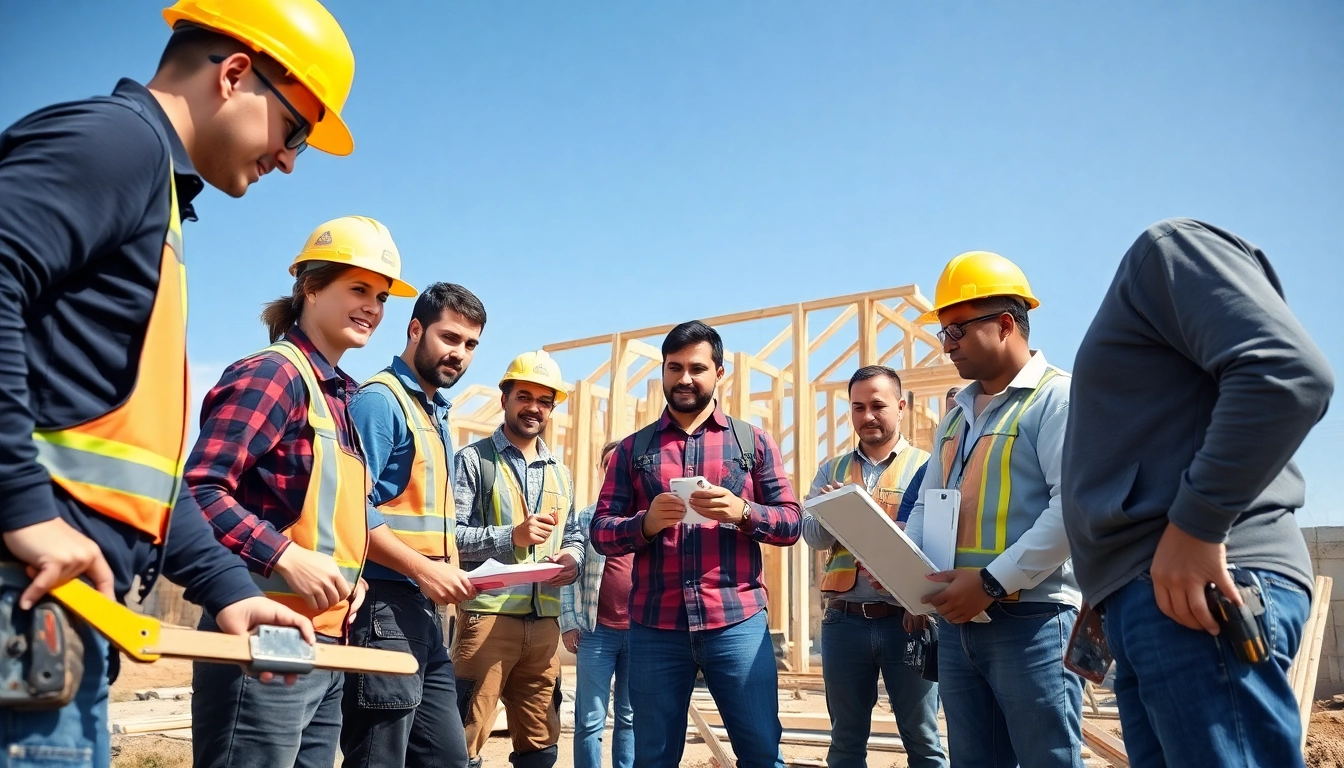
Understanding the Landscape of Careers in Construction
The construction industry plays a crucial role in the economic health of any region, creating infrastructures such as buildings, roads, and bridges. As urban populations grow and the need for sustainable development increases, the demand for skilled workers in this sector is projected to rise significantly. In this ever-evolving environment, understanding the vast array of careers in construction is essential for anyone looking to embark on or advance their career in this field.
1.1 Key Roles and Responsibilities
Careers in construction encompass a variety of roles, each requiring different skill sets, responsibilities, and levels of expertise. Key roles include:
- Construction Manager: Responsible for overseeing projects from inception to completion, ensuring they are completed on time and within budget.
- Project Engineer: Bridges the gap between management and execution, dealing with design, planning, and troubleshooting challenges.
- Architect: Focuses on the design of buildings, ensuring they are functional, safe, and aesthetically pleasing.
- Heavy Equipment Operator: Operates machinery to assist in construction processes such as excavation and material handling.
- Skilled Trades: Includes electricians, plumbers, and carpenters, who perform specialized work essential to the construction process.
1.2 Growing Demand in the Construction Sector
The construction sector is witnessing unprecedented growth, spurred by factors such as urbanization, infrastructure development, and technological advancements. For instance, the U.S. Bureau of Labor Statistics projects that employment in construction will grow by 8% from 2021 to 2031, which is faster than the average for all occupations. This demand translates into a plethora of job openings, particularly for skilled laborers and professionals.
1.3 Essential Skills for Success in Construction Careers
To thrive in construction, individuals must cultivate a diverse skill set, including:
- Technical Skills: Proficiency in using tools and understanding building codes and safety regulations.
- Problem-Solving: The ability to quickly devise solutions to unforeseen challenges on the job site.
- Communication: Clear communication is essential for coordinating with team members and stakeholders.
- Project Management: Skills in time management, budgeting, and resource allocation are critical for project success.
- Teamwork: The construction industry is inherently collaborative, necessitating strong teamwork skills.
Getting Started: Education and Training for Careers in Construction
2.1 Necessary Certifications and Licenses
Starting a career in construction often requires meeting specific certifications and licensing requirements, varying significantly by state and job role. For instance:
- General Contractors may need a license issued by the state, which often requires passing an exam.
- Electricians and Plumbers typically must complete apprenticeships and obtain state licenses.
- Safety certifications, such as OSHA, are crucial for all construction roles to ensure compliance with safety regulations.
2.2 Recommended Educational Paths and Courses
Educational pathways to a career in construction can range from high school diplomas to advanced degrees. High school graduates should consider:
- Trade schools that offer diplomas and certificates in specialized fields such as welding, carpentry, or electrical work.
- Associates or bachelor’s degrees in construction management or civil engineering, which provide a comprehensive understanding of construction principles.
Online courses and training programs can also be beneficial, offering flexibility for working professionals aiming to enhance their skills.
2.3 Apprenticeship Programs and Their Benefits
Apprenticeship programs stand out as one of the most valuable pathways into construction careers. These programs offer:
- Hands-On Experience: Apprentices work alongside experienced professionals, gaining practical skills that are essential in the field.
- Earn While You Learn: Participants typically earn wages as they complete their apprenticeship, making this a financially viable option.
- Employment Opportunities: Completing an apprenticeship can lead to full-time employment within the same company or industry network.
Advancing Your Career in Construction
3.1 Networking Strategies for Construction Professionals
The construction industry values relationships and connections highly. Here are effective networking strategies:
- Join Professional Organizations: Associations like the Associated General Contractors offer networking opportunities, resources, and professional development.
- Attend Industry Events: Conferences, trade shows, and expos are excellent venues to meet potential employers and partners.
- Utilize Online Platforms: Social media platforms like LinkedIn can connect you with industry leaders and job opportunities.
3.2 Pursuing Specialized Certifications
As the construction industry evolves, continuing education and certification become essential for career advancement. Specialized certifications can enhance your credentials, such as:
- LEED Certification: For professionals involved in sustainable building practices.
- Project Management Professional (PMP): Focused on project management skills applicable across various industries.
- Six Sigma: Emphasizes quality management and process improvement, beneficial for efficiency in construction projects.
3.3 Tips for Climbing the Career Ladder in Construction
To ascend the career ladder in construction, consider the following strategies:
- Seek Diverse Experiences: Work on various projects to gain a broad skill set and understanding of different construction aspects.
- Mentorship: Find a mentor in the industry who can offer guidance, insights, and potential job opportunities.
- Show Initiative: Take on additional responsibilities and demonstrate your leadership potential within your team.
Challenges in Careers in Construction and How to Overcome Them
4.1 Common Obstacles in the Construction Industry
While rewarding, careers in construction come with unique challenges, including:
- Seasonal Employment: Many construction jobs are weather-dependent, leading to potential layoffs during off-seasons.
- Workplace Safety: High-risk environments require strict adherence to safety protocols to avoid accidents.
- Skill Shortages: The industry faces a persistent shortage of skilled workers, making training and professional development critical.
4.2 Approaches to Maintaining Work-Life Balance
The demanding nature of construction work can impede work-life balance. Strategies to mitigate this include:
- Set Clear Boundaries: Clearly define working hours and personal time to avoid burnout.
- Utilize Technology: Implement project management tools that help streamline tasks and improve efficiency.
- Prioritize Self-Care: Regularly engage in activities that promote physical and mental wellness, such as exercise and hobbies.
4.3 Staying Resilient and Adaptable in a Changing Market
The construction market is dynamic, and adaptability is key. To stay resilient:
- Stay Informed: Regularly update your knowledge about market trends, technologies, and regulations.
- Embrace Change: Be open to new methods, tools, and technologies that enhance efficiency and safety on job sites.
- Upskill Regularly: Continuously seek out learning opportunities to keep your skill set relevant and competitive.
The Future of Careers in Construction
5.1 Emerging Trends and Technologies
The construction industry is undergoing significant transformation due to technological advancements. Key trends impacting future careers include:
- Building Information Modeling (BIM): Facilitates better visualization and collaboration among project stakeholders.
- Prefabrication and Modular Construction: Streamlines building processes, reduces material waste, and shortens timelines.
- Green Building Technologies: Focus on sustainable practices that align with environmental regulations and consumer preferences.
5.2 Impact of Sustainability on Construction Careers
Sustainability is becoming a core value in construction, influencing various career paths. Professionals skilled in sustainable design, materials, and practices will be increasingly sought after as businesses and governments emphasize eco-friendly construction methods. This shift necessitates workers who are knowledgeable about green technologies and can navigate regulatory frameworks.
5.3 Preparing for the Next Generation of Construction Work
To be prepared for the future of construction, workers should:
- Embrace Lifelong Learning: Continuously update skills to remain relevant in an evolving job market.
- Leverage Digital Tools: Familiarize yourself with project management software and digital communication platforms to enhance collaboration.
- Engage with Industry Innovations: Stay informed about emerging technologies that can improve project outcomes and efficiency.
As careers in construction continue to evolve, those who invest in their skills, knowledge, and networks will be best positioned to seize the many opportunities this dynamic industry offers. By understanding the landscape, pursuing the necessary education and training, and remaining adaptable to changes, aspiring construction professionals can build a successful and rewarding career.