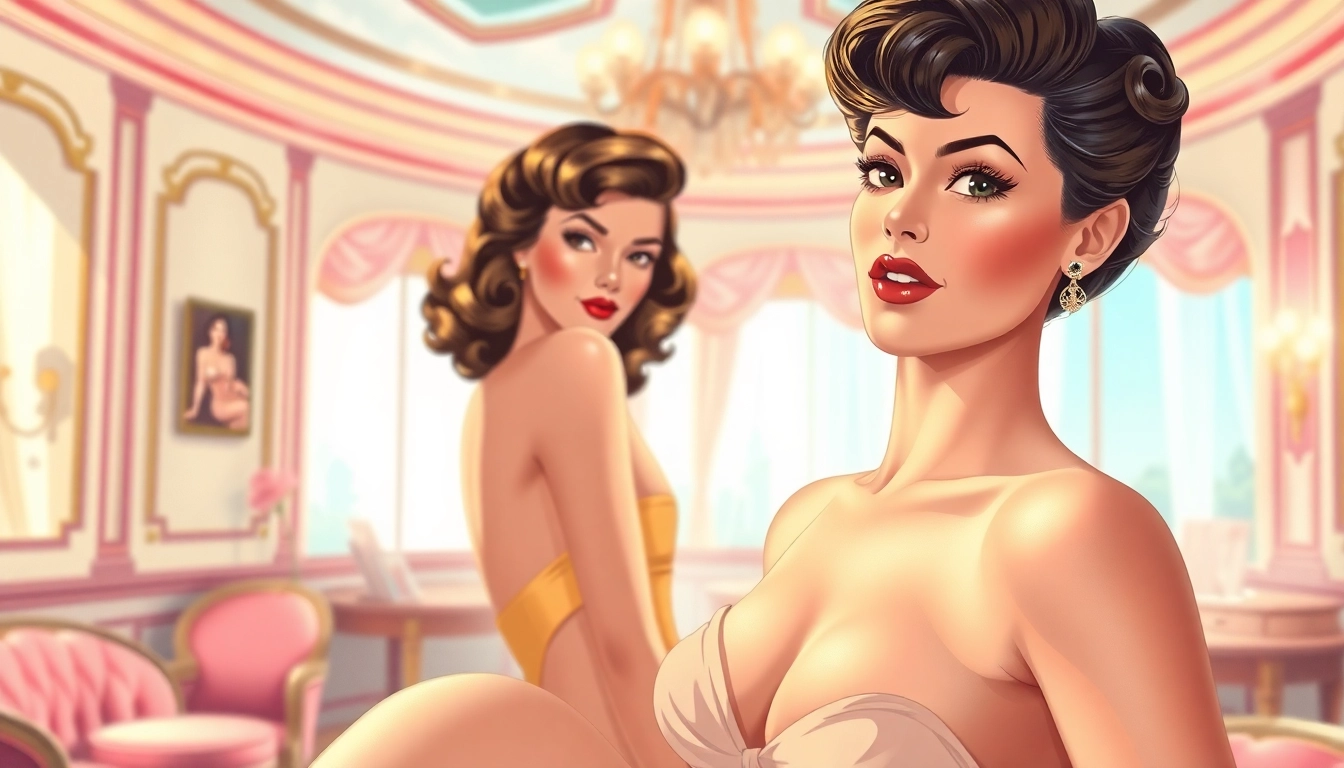
The Historical Context of Pin-Up Art
Origins and Evolution of Pin-Up Culture
Pin-up art has a rich and storied history that dates back to the early 20th century. The term "pin-up" refers to images that are designed to be pinned up on walls or in personal spaces, often featuring attractive models or celebrities in glamorous poses. The genesis of pin-up art can be traced to the rise of photography and illustration as popular mediums. Throughout the 1920s and 1930s, illustrations in magazines began to prominently feature women in alluring compositions, paving the way for a new form of artistic expression.
This evolution continued through the Great Depression, where the need for escapism led to increased demand for feel-good imagery. Artists like Charles Dana Gibson popularized the "Gibson Girl" archetype, combining beauty with the spirit of independence that defined the era. By the time pin-up art gained significant traction, it was not just an art form but also a cultural commentary reflecting changes in societal perceptions of beauty, femininity, and confidence.
The Impact of World War II on Pin-Up Art
World War II had a monumental impact on pin-up art, elevating it to a pivotal cultural role. As soldiers were sent overseas, they often carried images of pin-up girls with them, granting both comfort and inspiration amidst the grim realities of war. This trend spurred a proliferation of pin-up imagery, epitomized by artists such as Alberto Vargas and George Petty. Their works not only idealized femininity but also served as morale boosters for military personnel.
The significance of pin-ups escalated during this period, with many women's magazines, newspapers, and calendars featuring these iconic images. The "Varga Girls," a concept created by Alberto Vargas, stirred public fascination with their enchanting charm and sensuality without crossing into overt vulgarity. These images became symbols of both desire and patriotism, illustrating the dual roles women played during the war—both as caregivers and contributors to the workforce.
Key Artists and their Contributions
Several artists played a crucial role in shaping the pin-up art movement, meticulously crafting works that became cultural touchstones. Notable among them is Alberto Vargas, whose works for Esquire magazine exemplified elegance and sophistication. Vargas's technique involved a unique blend of watercolor and airbrushing, which lent his subjects a dreamlike quality that resonated profoundly with audiences.
George Petty, another influential figure, made significant contributions through his work in magazines like Esquire and for calendars. His depictions of the "Petty Girl" combined playful innocence with suggestive poses, establishing him as a prominent artist in the pin-up genre. Through these artists’ contributions, the pin-up became not just a mere representation of femininity but also a broader reflection of cultural changes, shifting beauty standards, and gender roles throughout the mid-20th century.
Understanding the Aesthetic of Pin-Up Art
Defining Characteristics of Pin-Up Illustrations
The charm of pin-up art lies in its distinctive aesthetic, which is marked by several defining characteristics. These illustrations often feature women in stylized poses that convey confidence and playfulness. The portrayal of the human form is crucial, with artists focusing on enhancing feminine allure through exaggerated features, playful expressions, and inviting stances that captivate viewers.
Furthermore, pin-up art often embraces a sense of fantasy, creating idealized worlds where beauty reigns supreme. The artists’ ability to masterfully accentuate particular traits—such as flowing hair, radiant skin, and suggestive attire—creates an atmosphere of allure and intrigue that extends beyond the mere physicality of the subject portrayed.
The Role of Color and Composition
Color and composition are integral to the success of pin-up art, infusing each piece with vibrancy. Bright, saturated colors dominate the canvas, creating an eye-catching visual impact. Artists utilize contrasting colors to highlight features and create depth, ensuring that the subject remains the focal point. Color is not merely a choice; it dictates the overall mood, inviting viewers into a world where beauty and fantasy coexist.
In terms of composition, pin-up artists skillfully position their subjects within the frame to evoke dynamism and movement. The careful arrangement of elements not only directs the viewer's gaze but also enhances the narrative portrayed in the piece. Commonly, props or backgrounds complement the subject, adding layers of context that enrich the viewer’s experience and allow for artistic storytelling.
Cultural Reflections in Pin-Up Art
The evolution of pin-up art acts as a reflection of cultural attitudes and societal norms over time. The images depict varying concepts of beauty, sexuality, and empowerment that correspond with the periods in which they were created. Early works may focus on more conservative portrayals of femininity, while later pieces often celebrate boldness and sexual liberation, paralleling movements for women’s rights and body positivity.
Additionally, pin-up art has become an emblem of cultural nostalgia, harking back to simpler times or idealized eras. This nostalgia is not merely aesthetic; it signifies a longing for the values and ideals embedded within that time. Artists today continue to draw from these narratives while infusing contemporary themes, creating a diverse range of pin-up art that bridges past and present.
The Influence of Alberto Vargas on Modern Art
Innovations in Techniques and Styles
Alberto Vargas's contribution to the realm of pin-up art cannot be overstated. His innovative techniques—particularly his pioneering use of airbrushing—redefined the genre. Airbrushing allowed Vargas to create smoother textures and more lifelike representations of his subjects, enhancing their allure while keeping a subtlety that distinguished his work from more explicit depictions of femininity.
Vargas adeptly combined traditional illustration techniques with modern innovations, isolating elements that would appeal to audiences' sense of beauty while simultaneously pushing the boundaries of artistic expression. His mastery of light and shadow added depth and dimension, allowing viewers to connect emotionally with the figures portrayed, making his art undeniably timeless.
Vargas's Iconic Subjects and Themes
The figures he portrayed, often termed as "Vargas Girls," embraced both sensuality and sophistication, highlighting a harmonious balance that resonated deeply within American culture. Vargas's work frequently featured glamorous women adorned in fashionable attire, embodying various archetypes—from the sultry siren to the charming ingénue—thereby diversifying the themes present within the pin-up genre.
These subjects transcended mere imagery; they represented a redefinition of femininity that aligned with shifting societal norms, encouraging women to embrace their allure confidently. Vargas’s dedication to portraying women in a positive light—balancing allure with respect—contributed to evolving perceptions of female beauty during his career.
Legacy in Contemporary Art and Media
The legacy of Alberto Vargas extends far beyond his own era; it has influenced a myriad of contemporary artists and cultural phenomena. Modern pin-up art embodies an eclectic mix of styles, often reflecting Vargas's influence through nuance. Artists today continue to employ Vargas's techniques while introducing fresh perspectives and contemporary themes that resonate with current audiences.
Additionally, Vargas's motifs and characters have made their way into various facets of popular culture, including fashion and film. The nostalgic homage to his work often serves as a source of inspiration for designers and visual storytellers, ensuring that the spirit of Vargas lives on in modern narratives and aesthetics.
Collecting and Preserving Pin-Up Art
Valuing Vintage Pin-Up Prints
The world of pin-up art collecting can be as alluring as the works themselves. Evaluating the value of vintage pin-up prints involves understanding several factors, including the artist's renown, the artwork's condition, and its historical context. Vargas's works, for instance, are often invaluable due to their significance in cultural history and the unique techniques employed in their creation.
Factors such as rarity, provenance, and market demand also play crucial roles in determining the value of a piece. Collectors should familiarize themselves with these aspects to make informed decisions when acquiring prints, potentially leading to significant investments over time.
Restoration and Care for Vintage Artwork
Preserving vintage pin-up art is paramount to ensuring its longevity and continued appreciation. Proper care involves protecting pieces from environmental factors such as UV light, humidity, and excessive handling. Utilizing acid-free materials for framing and storage can help mitigate deterioration.
For damaged works, preservation specialists should be consulted to assess restoration options without compromising the piece's integrity. Collectors are encouraged to invest in professional conservation services to enhance the lifespan and presentation of their collections, allowing them to share and appreciate these works for generations to come.
Resources for Collectors at https://www.esquirevargas.com
For those passionate about acquiring pin-up art or increasing their understanding of the genre, comprehensive resources can provide valuable insights. Websites like https://www.esquirevargas.com offer curated content featuring information on key artists, exhibitions, and collecting tips, enhancing the journey of enthusiasts and collectors alike.
Exploring the Future of Pin-Up Art
New Directions in Pin-Up Illustrations
The future of pin-up art holds exciting prospects as contemporary artists draw from the genre's rich history while infusing modern narratives. This evolution represents an opportunity to explore new mediums and styles, shifting perspectives on femininity, sexuality, and empowerment. Artists today are increasingly experimenting with digital tools, allowing them to reach broader audiences and engage with the genre in innovative ways.
Moreover, the genre is seeing a playful recontextualization, with contemporary pin-up art often celebrating diversity and body positivity. These new interpretations challenge traditional beauty standards, creating a more inclusive representation of femininity that resonates with today’s audiences.
Pin-Up Influence in Pop Culture Today
Pin-up culture continues to permeate modern pop culture, distinctively influencing fashion, music, and cinematic narratives. The nostalgic revival associated with pin-up aesthetics is evident in fashion trends that embrace retro styles, while popular media frequently pays homage to the genre through themed events and artistic exhibitions.
The essence of pin-up remains a source of inspiration, resonating across generations and instilling an appreciation for its artistic and cultural significance. As new artists embrace this legacy, the genre evolves, ensuring its relevance in contemporary dialogues regarding beauty and representation.
Connecting with the Next Generation of Artists
Fostering connections with emerging artists is crucial for the continuation of the pin-up art legacy. Mentorship programs, art exhibitions, and online platforms that celebrate new interpretations of traditional genres create a supportive environment for aspiring artists. Encouraging the exploration of pin-up themes in ways that reflect current societal values and challenges can yield rich contributions to the realm of art.
Engagement with educational initiatives, workshops, and collaborations can further empower aspiring artists, allowing them to redefine the boundaries of pin-up art and cement its future in the greater cultural narrative.