Understanding Structural Steel Fabrication
What is Structural Steel Fabrication?
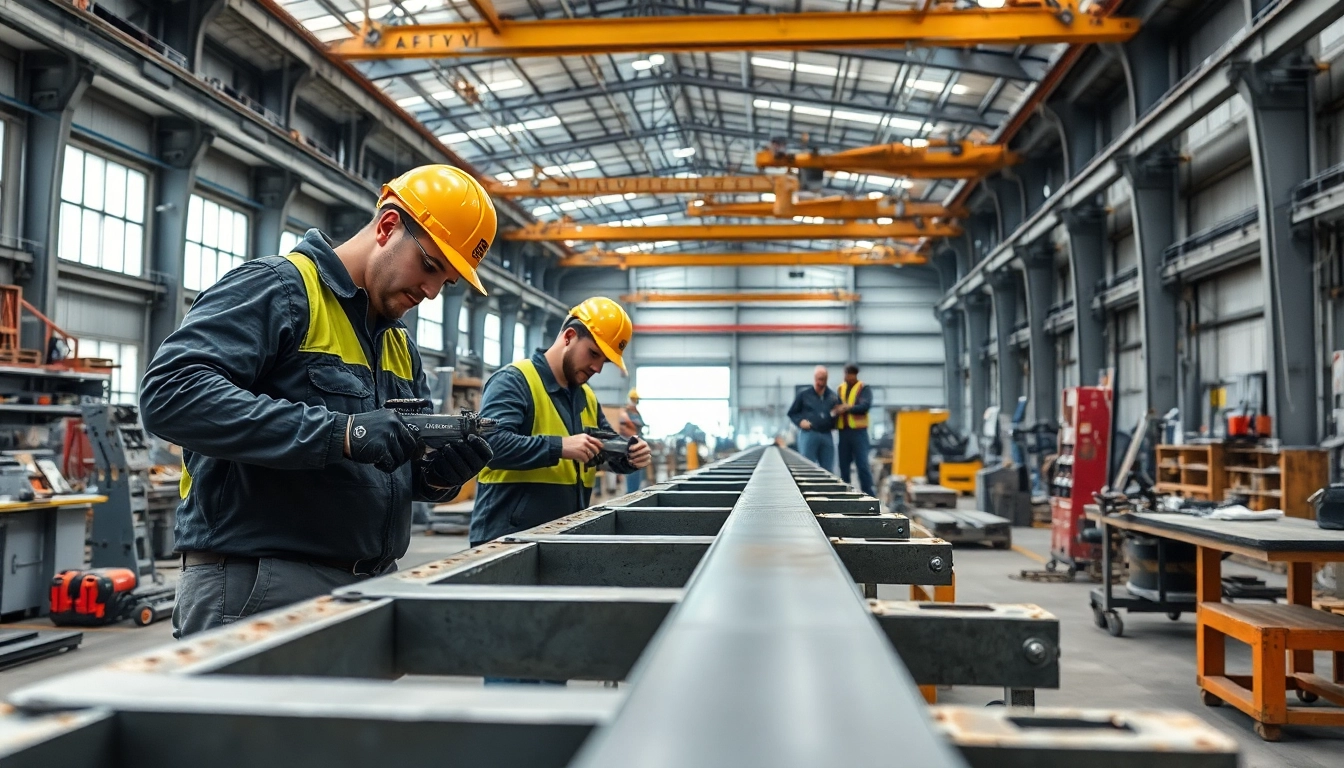
Structural steel fabrication is the process of shaping and assembling steel components into structural frameworks that can support buildings, bridges, and other infrastructure. This process involves numerous techniques and tools designed to transform raw steel into precise, engineered components necessary for construction. Fabricators not only cut and shape the steel but also weld or connect these pieces to create a solid and reliable structure. As a crucial part of modern construction, structural steel fabrication ensures the safety and longevity of the built environment.
Key Processes in Structural Steel Fabrication
The key processes in structural steel fabrication encompass several stages, including but not limited to:
- Design and Engineering: Using CAD software to design the structures and ensure they meet all operational requirements and safety standards.
- Cutting: The raw steel is cut into specified dimensions using various methods such as plasma cutting, saw cutting, or laser cutting.
- Forming: This involves bending or shaping the steel into the desired configuration, often using press brakes or rollers.
- Welding: Welders connect steel components together, ensuring both strength and durability through various welding techniques.
- Finishing: This includes processes such as sandblasting, priming, and painting to protect the steel against elements and corrosion.
These processes demand precision and skilled labor to ensure the components fit together correctly on site, supporting the overall structural integrity.
Importance of Structural Steel in Construction
Structural steel is fundamentally important in the construction industry for numerous reasons:
- Durability: Structural steel is known for its high strength-to-weight ratio, making it easy to handle while being incredibly strong and durable.
- Versatility: It can be used in various applications, from skyscrapers to bridges and industrial facilities.
- Speed of Construction: Accelerated building processes due to pre-fabricated components lead to shorter project completion timelines.
- Recyclability: Steel is a recyclable material, which contributes to sustainable construction practices and minimization of waste.
In summary, structural steel plays a vital role in achieving safe, efficient, and environmentally friendly construction.
Techniques in Structural Steel Fabrication
Welding Techniques for Steel Fabrication
Welding is essential in structural steel fabrication, and several techniques are employed, including:
- MIG Welding: This method uses a continuously fed wire and is popular for its speed and versatility.
- TIG Welding: This process provides a cleaner weld and is often used for thinner materials or when aesthetic welding is required.
- Stick Welding: A versatile method that can be used in various positions; it is particularly effective for outdoor work.
- Submerged Arc Welding: Particularly useful for thick sections, this method produces deep weld penetration and can be automated.
Choosing the right welding technique is crucial for ensuring quality and consistency in the final product, taking into account factors such as material type, thickness, and structural requirements.
Cutting Methods in Structural Steel Fabrication
The cutting process can significantly affect the quality of the final product. Several methods are commonly used:
- Plasma Cutting: A high-precision method ideal for cutting metal with intricate designs.
- Laser Cutting: Allows for extremely precise cuts and is beneficial for complex shapes.
- Oxy-Fuel Cutting: A traditional method that works well for thicker materials and can be done on-site.
Each cutting technique has its strengths and is selected based on the specific requirements of the project, material type, and desired precision.
Assembly Techniques for Efficiency
Efficient assembly is critical in structural steel fabrication to minimize time on-site and ensure safety. Techniques include:
- Modular Construction: Pre-fabricating sections off-site allows for quicker assembly at the project location.
- Bolted Connections: Using bolts instead of welds can facilitate quicker assembly and ease future disassembly if necessary.
- Pre-Assembly Blocks: Pre-assembling smaller sections into larger blocks can streamline the assembly process on-site.
Driver efficiency for these assembly methods lies in careful planning and collaboration between design and fabrication teams.
Quality Control in Structural Steel Fabrication
Standards and Regulations
Quality control in structural steel fabrication is governed by numerous standards and regulations, such as:
- American Institute of Steel Construction (AISC) Standards: Provides guidelines on quality assurance and the fabrication process.
- American Welding Society (AWS) Codes: Sets forth guidelines for welding practices and personnel qualifications.
- National Fire Protection Association (NFPA): Ensures fire safety standards in structures.
Compliance with these standards is crucial not only for the safety and durability of structures but also for gaining trust from clients and stakeholders.
Testing Methods to Ensure Integrity
Several testing methods are employed to ensure the integrity of structural steel components:
- Non-Destructive Testing (NDT): Techniques such as ultrasonic testing and radiographic testing assess the material without damaging it.
- Destructive Testing: Involves subjecting samples to stress and strains to determine yield strength and tensile strength.
- Visual Inspection: Regular inspections by certified professionals ensure that welds and joints conform to safety standards.
Implementing a rigorous testing protocol is essential for catching potential issues before they lead to failure in the field.
Common Challenges and Solutions
The structural steel fabrication industry faces numerous challenges, including:
- Material Shortages: Global supply chain issues may lead to delays. Solutions include building strong relationships with multiple suppliers.
- Labor Shortage: Skilled labor shortages can slow production. Investing in apprentice programs and training can help address this.
- Design Changes: Changes from architects can arise late in the process. Implementing a strong communication plan can mitigate the impact.
By proactively addressing these challenges, firms can maintain efficiency and quality throughout the fabrication process.
Innovations in Structural Steel Fabrication
Advancements in Technology and Equipment
Recent technological advancements have transformed structural steel fabrication:
- Automation: The integration of robots for welding and assembly can enhance precision and efficiency.
- 3D Printing: Rapid prototyping and testing through 3D printing can decrease lead times for custom components.
- Smart Manufacturing: Implementation of IoT devices allows for real-time tracking and management of production levels.
These innovations continue to enhance productivity and precision, setting new standards within the construction industry.
CAD and its Influence on Design
Computer-Aided Design (CAD) has revolutionized the design phase of structural steel fabrication:
- Precision Modeling: CAD allows for the creation of accurate 3D models that can be easily modified, facilitating better planning and visualization.
- Collaboration: Teams can work concurrently on a project, improving communication across architectural and engineering disciplines.
- Detecting Errors: CAD helps in identifying potential design flaws before fabrication begins, reducing costly mistakes in the field.
These capabilities underscore how CAD technology serves as a backbone for effective structural steel fabrication processes.
Trends in Sustainable Steel Fabrication
With increasing environmental awareness, sustainable practices are becoming more integral to structural steel fabrication:
- Recycling: Fabricators are utilizing recycled steel, drastically reducing the carbon footprint associated with new steel production.
- Energy Efficiency: Modern fabrication facilities are implementing energy-efficient technologies and practices to minimize electricity consumption.
- Eco-Friendly Finishes: The use of environmentally-friendly coatings helps reduce the environmental impact during the finishing processes.
These trends not only contribute to a healthier planet but also meet the growing demand from clients for sustainable building practices.
Case Studies in Successful Structural Steel Fabrication
Notable Projects Utilizing Structural Steel
Several high-profile projects showcase the capabilities of structural steel fabrication:
- Sky-high Towers: The use of advanced fabrication techniques has allowed for the construction of some of the tallest skyscrapers in the world, featuring intricate designs and robust frameworks.
- Bridges: Structural steel bridges demonstrate speed and efficiency in construction, often completed ahead of schedule due to prefabrication strategies.
- Industrial Facilities: Factories and warehouses routinely employ structural steel for their durability and cost-effectiveness, resulting in substantial long-term savings.
These projects exemplify the versatility and strength of structural steel fabrication in various applications.
Lessons Learned from Fabrication Challenges
Each project poses unique challenges, and the lessons learned can drive future improvements:
- Early Collaboration: Effective collaboration between all stakeholders speeds up problem resolution and minimizes redesign.
- Flexibility in Approach: Adapting to changes and implementing agile practices enables teams to navigate unforeseen challenges.
- Strict Adherence to Safety: Following safety protocols diligently safeguards workers and enhances project outcomes.
Gathering insights from past projects ensures continual improvement in practices and outcomes in future fabrication efforts.
The Future of Structural Steel Fabrication
The future of structural steel fabrication looks bright with ongoing technological advances, enhanced sustainability practices, and an increased focus on quality and safety. Trends suggest a continued push towards automation, further integration of sustainable methods, and designs that leverage prefabricated components for speed and efficiency.
As the demand for innovative building solutions continues to rise, the industry will likely see even more enhancements tailored towards meeting these challenges dynamically. Companies that adapt to these changes and embrace new technologies will lead the way in the evolving landscape of structural steel fabrication.