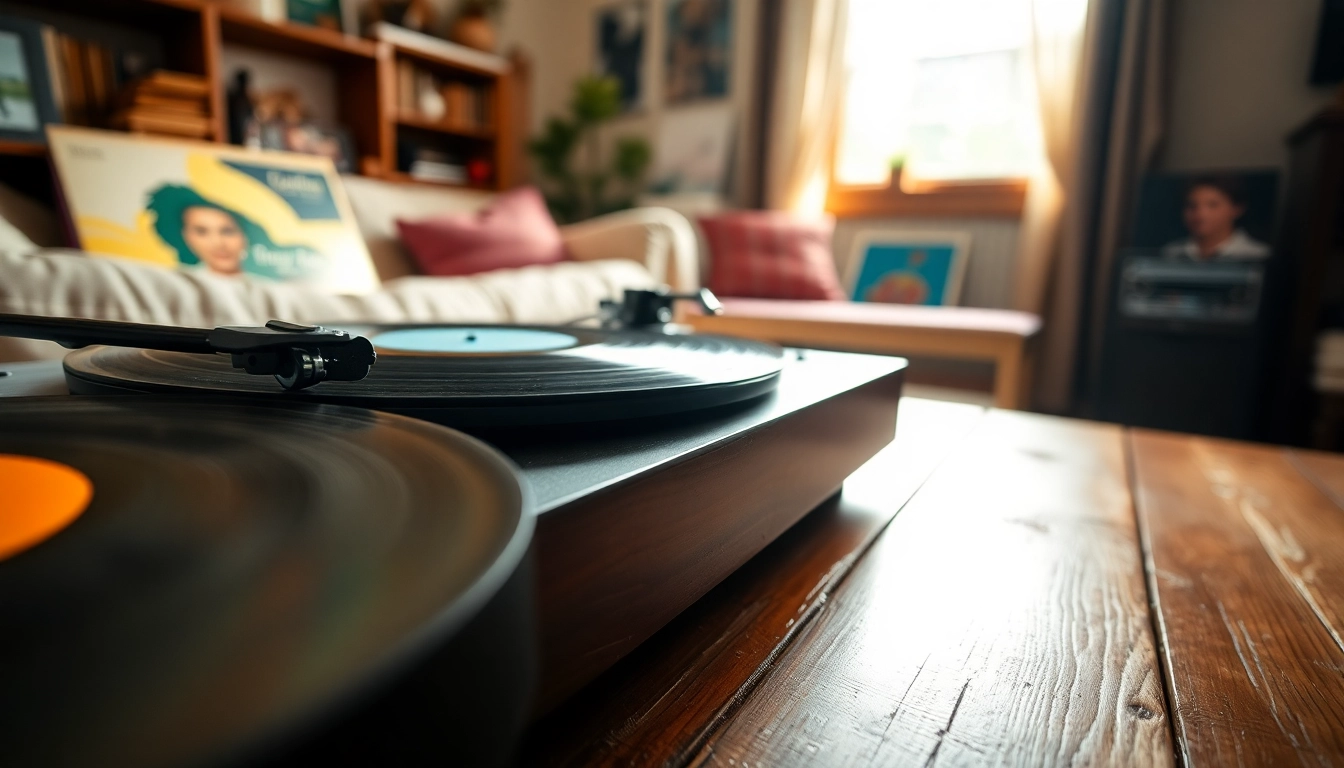
Understanding Vinyl Records and Their Resurgence
The world of music has witnessed a remarkable revival of vinyl records, a format once overshadowed by the rise of digital streaming. This resurgence can be attributed to various factors, including a renewed appreciation for analog sound quality, the tangible experience vinyl offers, and the unique rituals involved in listening to music in this format. As more music lovers explore the charm of vinyl, understanding its history and the reasons behind its comeback is essential.
A Brief History of Vinyl Records
Vinyl records emerged in the late 19th century as a refined method of sound recording and playback. Initially produced from shellac, the transition to vinyl in the late 1940s provided greater durability and sound quality, leading to the widespread popularity of LPs (long-playing records) in the 1950s. The 33 1/3 RPM LP standardized the album format, allowing for longer playback times. During the 1970s and 1980s, however, vinyl faced stiff competition from cassette tapes and later CDs, which offered convenience and portability.
Why Vinyl Records Are Making a Comeback
In recent years, a significant shift has been observed, with vinyl records outselling CDs in some markets. Several factors contribute to this trend:
- Nostalgia: Many listeners have a sentimental attachment to vinyl, reminiscent of an era where music was appreciated in physical formats.
- Sound Quality: Audiophiles argue that vinyl offers a warmer, richer sound compared to digital formats, providing a more immersive listening experience.
- Tangible Experience: Collecting vinyl records involves a physical interaction with music, including album art and the act of playing a record.
- Cultural Significance: Vinyl has become a symbol of authenticity, often preferred by independent artists and labels who embrace the format to connect with their audience on a deeper level.
The Different Types of Vinyl Records Available
Understanding the various types of vinyl records is crucial for any collector. There are several formats available, each catering to different listening preferences:
- LP (Long Play): Typically 12 inches in diameter, LPs usually hold about 15-30 minutes of music per side, making them ideal for full albums.
- 45 RPM: These 7-inch records are often used for singles, featuring one song per side, and are appreciated for their concise format.
- 10-inch Records: Less common, these records can feature a mix of LP-length songs or several singles, sitting between the LP and 45 formats.
- Box Sets: Collections of albums typically released by prominent artists, box sets may contain live performances, remix albums, or curated works, often providing unique artwork and extras.
The Unique Sound Quality of Vinyl Records
One of the primary reasons enthusiasts advocate for vinyl is the sound quality it offers. But what sets it apart from digital formats?
Analog vs. Digital Sound Explained
Sound can be recorded in two primary formats: analog and digital. Analog recording captures sound waves as continuous physical representations, while digital recording samples the sound periodically, converting it into a series of binary numbers. Many audiophiles assert that analog sound—such as that found in vinyl records—captures the richness and complexity of music more faithfully than digital formats.
How the Format Impacts the Music Listening Experience
The format of music plays a vital role in shaping the listening experience. While digital tracks can be played conveniently, they often lose nuances during compression. Vinyl, on the other hand, preserves the subtleties of sound, creating a three-dimensional listening environment. The ritual of placing a needle on a record adds anticipation and enjoyment, making the act of listening a more engaged experience.
The Role of Turntables in Enhancing Sound Quality
The sound quality of vinyl records is significantly influenced by the quality of the turntable. Higher-end turntables are designed to minimize distortion and vibration, providing clearer playback. Essential components such as tonearms and cartridges also play a pivotal role in sound fidelity. Investing in a quality turntable can make a significant difference in how music is experienced, allowing listeners to fully appreciate the depth of their favorite albums.
Building Your Vinyl Records Collection
For those venturing into the world of vinyl, developing a collection can be an enjoyable and rewarding journey. Here’s how to get started.
Identifying Must-Have Albums for Beginners
Begin by curating a list of essential albums across genres you enjoy. Some iconic albums that are often recommended for beginners include:
- The Beatles - Abbey Road - A timeless classic that showcases the band’s evolution.
- Pink Floyd - The Dark Side of the Moon - An album celebrated for its rich concept, soundscapes, and production.
- Fleetwood Mac - Rumours - A staple in rock history, encapsulating both lyrical and melodic mastery.
- Nirvana - Nevermind - A defining record of the '90s grunge movement with profound cultural impact.
Where to Buy Quality Vinyl Records
Buying vinyl records has never been easier, with various options available:
- Record Stores: Local shops often carry a curated selection of new and used records. Visiting these stores allows buyers to support local businesses and discover hidden gems.
- Online Retailers: Websites specializing in vinyl records offer vast selections, from new releases to rare finds, making it convenient for collectors.
- Flea Markets and Yard Sales: These venues can yield unique treasures, often at lower prices, making them ideal for budget-conscious collectors.
- Record Fairs: Attending local vinyl fairs offers the chance to browse extensive collections while meeting fellow enthusiasts and sellers.
Tips for Maintaining Your Vinyl Records
To enjoy your vinyl records for years to come, proper care and maintenance are essential:
- Cleaning: Regularly clean records with a carbon fiber brush before each play and wash them with a dedicated vinyl cleaner occasionally.
- Storage: Store records vertically in a cool, dry place, away from direct sunlight and humidity to prevent warping.
- Handling: Always handle records by the edges to avoid fingerprints and oil transfer.
The Art and Culture Around Vinyl Records
Aside from the music itself, the culture surrounding vinyl records encompasses art, community, and a shared passion among enthusiasts.
The Aesthetic Appeal of Album Artwork
Vinyl records often feature stunning artwork that complements the music within. Album covers serve not just as protective sleeves but as canvases for artistic expression, often creating iconic visuals that are instantly recognizable. Collecting vinyl can, therefore, become an experience in appreciating graphic design, photography, and illustration, with many famous artists and designers contributing to album art throughout history.
Vinyl Records as a Medium for Artistic Expression
Many artists utilize vinyl as a medium for exploring new artistic dimensions. From special edition releases with unique packaging to innovative music formats, vinyl offers creativity in presentation. Artists can experiment with colors, labels, and textures, making each release not just a music product but a collectible piece of art.
Community and Events Related to Vinyl Records
The vinyl community thrives through events such as record store day celebrations, listening parties, and discussions among fans. These gatherings provide platforms for sharing knowledge, exploring new music, and enjoying live performances. Connecting with fellow enthusiasts creates a sense of belonging, further enriching the listening experience and cultural significance of vinyl.
Future Trends in the Vinyl Records Market
The future of vinyl records looks promising, with trends continuing to evolve as new generations discover their allure.
Innovations in Vinyl Production
Technical advancements in vinyl production are paving the way for enhanced quality and creativity. Innovations such as colored vinyl, picture discs, and eco-friendly materials are becoming more prevalent. These developments not only add aesthetic value but also cater to a growing audience seeking sustainable options in their music collection.
Predictions for Vinyl Records' Longevity in Modern Music
Predictions suggest that vinyl won't merely remain a nostalgic relic but will coexist alongside digital formats. The tangible nature and unique experience vinyl provides resonates with audiences seeking alternatives to disposable digital consumption. This hybrid approach offers a sustainable path for the music industry’s future, celebrating both formats.
How Digital Technology is Complementing Vinyl Records
While some may see digital formats as competitors to vinyl, the reality is that they often complement one another. Services that allow streaming while also selling vinyl records bridge the gap, creating a seamless experience for music lovers. Vinyl records can be enjoyed at home while digital platforms provide on-the-go convenience, ensuring music remains accessible in multiple formats.