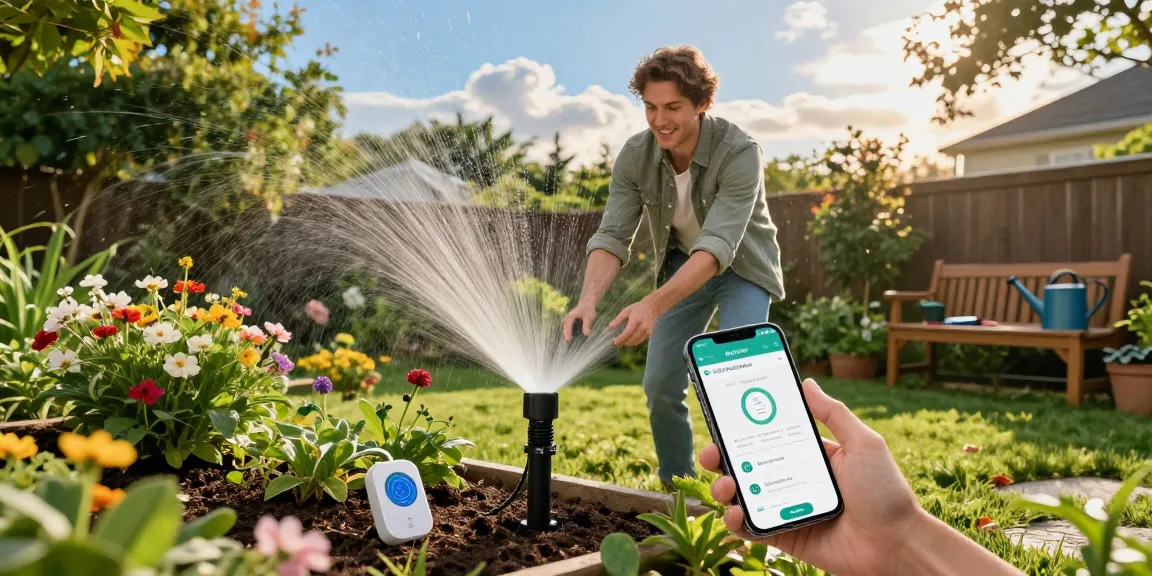
When Laura noticed her tomato plants wilting mid-afternoon in late July, she blamed the heat — until she found shallow roots and uneven soil moisture beneath the mulch. She’d been hand-watering for years, but inconsistent soak times left some beds soggy and others bone dry. A targeted drip setup fixed the problem: consistent root-zone moisture and healthier yields without daily watering runs.
Why drip irrigation is the right fix for common vegetable garden problems
Problem: uneven watering, wet foliage, and wasted time. Solution: drip irrigation that delivers water slowly to the root zone where plants need it most. Drip systems cut evaporation and runoff, and they can be tuned to match plant types — leafy greens need different pulse patterns than deep-rooted peppers.
How drip saves water and improves plant health
Drip lines apply water directly to soil at low flow rates (typically 0.5–2 gallons per hour per emitter), which reduces evaporation versus overhead sprinklers. According to EPA WaterSense and university extension studies, switching from spray irrigation to drip can reduce landscape water use by up to 30–50% depending on soil and climate (source: EPA WaterSense). That’s often enough to turn weekly watering chores into a once-a-week check-and-adjust routine.
Example: a 10x20 ft vegetable bed with 12 emitters at 1 gph running 30 minutes will use 6 gallons per cycle. Run cycles twice per week and you’re at 12 gallons weekly—far less than a 10-minute sprinkler run that can easily toss 100+ gallons over the same area.
FAQ: Choosing the right drip setup for your garden size and crops
Q: What drip layout works best for small raised beds?
A: For 4–6 ft wide raised beds, run a supply line down the center and place emitters on either side of each plant row (12–18 inches apart). Use 1.0 gph emitters for most vegetables; increase to 2.0 gph for heavy feeders like corn or squash. A simple DIY kit with a manual or WiFi-enabled timer handles this well — and a WiFi timer such as the RainPoint model lets you schedule short, frequent cycles that avoid runoff.
Q: How do I water mixed beds with herbs and tomatoes?
A: Group plants by water need into zones. For instance, place thirsty tomatoes and cucumbers on one zone with 2.0 gph emitters and drought-tolerant herbs on a second zone with 0.5–1.0 gph emitters. A basic two-zone controller or a splitter and two timers does the trick for most small to medium gardens.
Example: If you’ve got a 100 sq ft plot with three zones, a controller that runs each zone for 20 minutes three times per week can be adjusted seasonally as plants mature.
FAQ: How to install and tune a drip system
Q: What materials do I need for a beginner installation?
- Poly tubing (1/2" or 5/8") for main lines
- 1/4" microtubing to reach individual plants
- Emitters (1.0–2.0 gph), adjustable emitters for flexibility
- Barbed fittings, end caps, stakes, and a pressure regulator (30 psi standard)
- Filter to prevent clogging if your water has particulates
Q: How do I tune run times and frequency?
A: Start by checking soil moisture 2–3 inches below the surface. For sandy soils, shorter, more frequent cycles prevent leaching; for clay soils, longer, less frequent cycles promote deep rooting. A practical starting point is 20–30 minutes per zone, 2–3 times weekly, then adjust. Example: new transplants often need daily short cycles for the first week, then reduce frequency as roots establish.
Soil TypeStarter CycleLong-Term FrequencySandy15–20 min3–4×/weekLoam20–30 min2–3×/weekClay30–40 min1–2×/week
FAQ: Automation, maintenance, and troubleshooting for reliable watering
Q: Should I automate my drip system?
A: Yes — automation prevents human error and lets you program seasonal adjustments. A WiFi timer can run short morning cycles and an optional second-cycle late afternoon in extreme heat. For example, pairing a drip kit with a WiFi controller reduces weekend watering time and can cut water waste from forgotten manual runs. A WiFi timer from RainPoint can handle that schedule automatically and integrate weather-based adjustments if you add a smart controller.
Q: What routine maintenance keeps emitters flowing?
A: Check filters monthly during the season; flush lines at least once a month by removing end caps; inspect emitters for clogging and replace any that fail (many are inexpensive). If algae is a problem, run a short chlorinated flush following local guidelines, or use filters fine enough to stop particulates. Example: vegetable gardeners who run city water may only need to clean filters every 6–8 weeks, while those on well water often clean monthly.
Q: Why are some plants still wilting with drip irrigation?
A: Common causes include incorrect emitter spacing, low water pressure, or damaged tubing. Measure output at a few emitters: a 1.0 gph emitter should output ~0.25 gallons in 15 minutes. If pressure is low, add a booster or reduce emitter count per zone. If roots are shallow, increase run time to push water deeper and encourage root growth.
For a step-by-step kit and layout ideas that match real garden scenarios, see this detailed guide to water your vegetable garden efficiently with drip irrigation. That page walks through typical bed sizes and emitter maps you can follow.
FAQ: Crop-specific tips and common scenarios
Q: How should I water tomatoes vs. lettuce?
A: Tomatoes benefit from deeper, less frequent watering as they establish—use 2.0 gph emitters spaced at each plant and run 30–40 minutes 2×/week once established. Lettuce prefers steady moisture; use 1.0 gph emitters or a 12" drip line spaced to keep the entire root zone evenly moist, running shorter cycles 3–4×/week.
Q: What about containers and vertical gardens?
A: Containers dry out faster. Use self-watering spikes or pressure-compensating drip emitters. For five-gallon pots, a 1.0 gph emitter running 30 minutes daily in hot weather often keeps plants healthy. RainPoint’s smaller drip accessories and soaker options work well for mixed container setups and save you daily watering trips.
Example: a balcony gardener with six 3-gallon pots used adjustable micro-emitters and saw fewer waterings, with weekly monitoring instead of daily watering—saving about 15–25 minutes per day.
Final practical note: drip irrigation solves real garden problems by matching water delivery to plant needs — less spray, less waste, and more time for harvests. With simple zone planning, a basic maintenance routine, and a smart timer, most home vegetable gardens become far more productive and far less thirsty.