
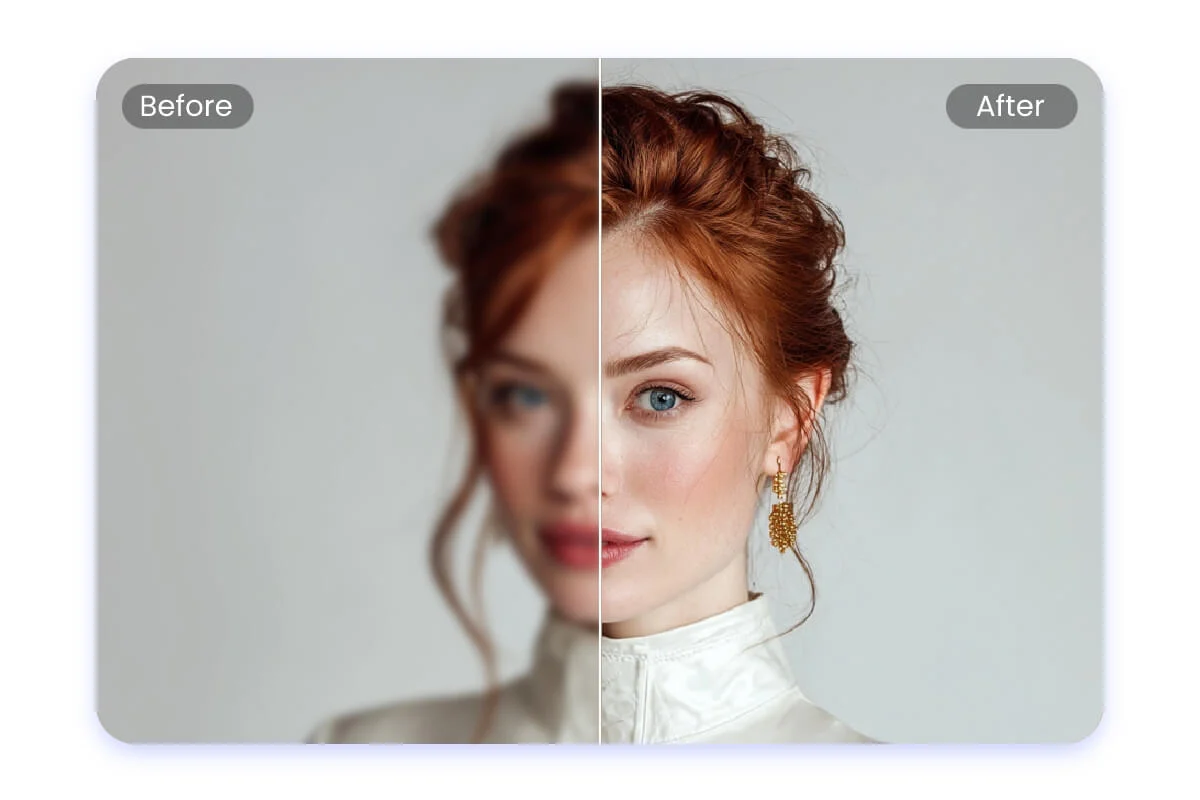
Social media has drastically changed how people perceive beauty. Scroll through Instagram, Snapchat, or TikTok, and it becomes clear: faces are flawless, skin is poreless, eyes sparkle, and bodies appear perfectly proportioned. These idealized visuals are largely the result of beauty filters, digital tools that enhance or alter features in real time. While filters are often seen as playful or creative, growing evidence indicates that they shape expectations of beauty far beyond the screen.
Recent research highlights that beauty filters are not just cosmetic tools—they are catalysts for psychological and social change. By constantly presenting perfected versions of ourselves and others, filters influence how people view their own appearance, compare themselves to others, and evaluate what is considered attractive. The consequences reach from teenagers forming identity to adults navigating dating, workplace visibility, and aging concerns. Reports from gilmore health news emphasize that understanding these effects is crucial for maintaining mental well-being in a digitally mediated world.
How Beauty Filters Shape Perceptions: Insights from Research
Beauty filters do more than add visual effects; they create entirely new aesthetic standards. Unlike traditional photo editing, filters operate in real time, smoothing skin, enlarging eyes, slimming faces, and enhancing symmetry. These alterations are often subtle enough to feel natural, but consistent exposure rewires perception.
Multiple studies examined by Gilmore Health News demonstrate that frequent exposure to filtered images changes what people consider normal or desirable. Users begin to compare their unedited appearances to an idealized digital version, which can lead to dissatisfaction. Research shows that these comparisons are not purely conscious—people internalize these ideals even when they know the images are digitally altered. Over time, filtered beauty becomes a standard against which real-world appearance is judged, creating psychological pressure to conform.
Appearance Surveillance and Self-Objectification: Research Perspectives
One of the most significant psychological mechanisms linked to beauty filter use is appearance surveillance. This refers to the tendency to constantly monitor one’s own looks as if being evaluated by others. A research study cited by Gilmore Health News found a direct connection between frequent photo editing and heightened self-objectification. Users who edited images regularly reported more critical self-evaluation and lower self-esteem, highlighting the mental cost of maintaining a curated digital self.
Appearance surveillance manifests in everyday behaviors: checking how skin looks from different angles, scrutinizing symmetry, and assessing whether features match filtered ideals. This continuous internal monitoring consumes cognitive resources, making it harder to focus on work, relationships, or personal goals. The research underscores that this is not merely insecurity—it is a sustained cognitive and emotional pattern that affects users across age groups.
Filters and Social Comparison: How Research Explains Societal Effects
Filters not only affect individuals but also shape social expectations. When most social media images are enhanced, the collective standard of beauty becomes skewed. Even when users understand that content is filtered, emotional responses often override logic. People instinctively perceive their own unfiltered appearance as lacking, creating a widespread pressure to conform.
Gilmore Health News highlights research showing that this social comparison influences dating behavior, workplace interactions, and peer relationships. Constant exposure to idealized faces can foster an “upgrade mindset,” where individuals assume there is always someone more attractive. This expectation undermines appreciation for authentic variation and can reduce empathy, as natural features like asymmetry, texture, and age-related changes are viewed as imperfections rather than normal traits.
The Internalization of Filtered Beauty: Research Insights
Internalization occurs when cultural ideals become personal benchmarks. Beauty filters accelerate this process. Studies reviewed by Gilmore Health News indicate that repeated engagement with filtered images—through posting, editing, and monitoring feedback—leads individuals to adopt these altered standards as their own.
The research demonstrates that this internalization creates a feedback loop. Exposure to filtered beauty prompts comparison, which fosters dissatisfaction. In response, individuals may edit their own images to match the ideal, reinforcing internalized standards. Over time, these habits can lower body satisfaction, increase self-criticism, and heighten vulnerability to disordered eating patterns, particularly when ultra-thin or hyper-sculpted features dominate online content.
Cosmetic Procedure Considerations: Evidence from Research
Beauty filters have also influenced interest in cosmetic interventions. Multiple studies cited by Gilmore Health News indicate a correlation between frequent filter use and consideration of aesthetic procedures. While filters do not directly cause individuals to seek surgery, they create a cultural environment in which modifying one’s appearance feels normative.
This dynamic reflects a broader psychological pattern. Filters create an aspirational “better me,” leaving the unfiltered self feeling inadequate. Even for those who never pursue procedures, the social normalization of aesthetic modification reinforces the idea that natural appearance is negotiable and subject to improvement. Research suggests that this shift is particularly significant among younger users but affects adults and older populations as well.
Age Differences in Filter Impact: Research Findings
The impact of beauty filters differs by age. Teenagers are especially vulnerable because identity formation is ongoing. Gilmore Health News reports that research finds adolescents who frequently use filters exhibit fragile self-esteem, fear of unfiltered exposure, and heightened peer comparison. This can result in a split between the idealized online self and the authentic offline self, generating anxiety and social stress.
Adults face pressures related to dating, professional branding, and social visibility. Filters can exacerbate appearance-related anxiety, reduce confidence in real-world environments, and increase relationship insecurity. Older adults may experience intensified concerns about aging, as filters effectively erase age markers and promote an unattainable standard of youthful beauty. Collectively, these findings illustrate that filtered beauty affects users across the lifespan, though the mechanisms and outcomes differ.
Societal Consequences of Ubiquitous Filter Use: Insights from Research
When filtered beauty dominates social media, the implications extend beyond individual mental health. Studies reviewed by Gilmore Health News indicate that repeated exposure to enhanced images shifts perceptions of what is normal, desirable, and socially rewarded.
Appearance becomes a form of social currency, with attention and approval disproportionately favoring those who align with digital beauty ideals. Authenticity declines as people hide emotions or avoid interactions without curated appearances. Loneliness can increase when relationships are mediated by idealized images rather than genuine connection. Over time, these societal shifts contribute to elevated rates of anxiety, depression, body dysmorphic tendencies, and compulsive image editing. Research shows that this feedback loop—digital perfection setting expectations, real-world appearance feeling inadequate, and reliance on filters growing—creates a persistent psychological trap.
Managing Filter Use Responsibly: Lessons from Research
Despite the risks, filters are not inherently harmful. Awareness and moderation are key. Experts cited by Gilmore Health News recommend balancing filtered and unfiltered experiences, sometimes referred to as a “reality ratio.” Spending equal or greater time in natural-light selfies, unedited video calls, and candid photos helps recalibrate expectations.
Additional strategies include fostering self-compassion, limiting exposure to highly edited content, and cultivating media literacy. Platforms can support users by providing transparency about filter use and moderating excessive beautification features. The research emphasizes that personal strategies combined with systemic interventions can mitigate the negative psychological effects of beauty filters, allowing users to enjoy creative tools without compromising mental health.
FAQs About Research and Beauty Filters
What is a beauty filter? A beauty filter is a digital tool on social media platforms that automatically enhances facial features, smooths skin, and alters body proportions in real time.
How does research explain their psychological impact? Studies indicate that filters promote self-objectification, internalization of ideals, and appearance surveillance, leading to lower self-esteem, body dissatisfaction, and anxiety.
Can filters influence cosmetic procedures? Yes. Research shows that frequent filter use correlates with a higher likelihood of considering aesthetic procedures, as users attempt to align reality with digital ideals.
Do filters affect all age groups? Yes. Teens, adults, and older adults experience filter-related pressures differently, from identity formation to dating, workplace concerns, and age-related anxiety.
What is self-objectification? It is the process of viewing oneself primarily as an object to be evaluated based on appearance, rather than focusing on skills, accomplishments, or personality.
How can people use filters responsibly? Experts recommend balancing filtered and unfiltered experiences, practicing self-compassion, limiting exposure to edited content, and valuing authentic appearances.
Do filters cause eating disorders? Filters do not directly cause eating disorders but can increase risk by promoting unrealistic thin or hyper-sculpted ideals, making normal body variation feel unacceptable.
What is the “upgrade mindset”? This mindset emerges when constant exposure to filtered perfection makes individuals feel there is always someone more attractive, affecting dating behavior and satisfaction with real-world partners.
Beauty filters have become a defining feature of social media, shaping both individual self-perception and societal norms of beauty. Reports from Gilmore Health News and multiple research studies show that their influence is pervasive, affecting self-esteem, social behavior, and expectations across all ages. Awareness, moderation, and conscious engagement with digital tools are essential to navigating filter culture while maintaining mental health and appreciating authentic human diversity.