Understanding Solar Energy Basics
What is Solar Energy?
Solar energy is the radiant light and heat from the sun that can be harnessed using a range of ever-evolving technologies. It represents one of the most abundant sources of energy available to us on Earth, capable of powering homes, businesses, and entire cities. Solar energy can be converted directly into electricity using photovoltaic cells, or it can be harnessed in other forms such as solar thermal energy, which uses sunlight to generate heat. This renewable energy source plays a crucial role in reducing fossil fuel dependency and lowering greenhouse gas emissions, which makes it a cornerstone in the shift towards sustainable energy solutions.
The Benefits of Solar Energy
Solar energy offers a myriad of benefits that extend beyond just environmental sustainability. These include:
- Reduced Energy Bills: By generating your own electricity, you can significantly lower your monthly utility bills. Homeowners can often eliminate their energy bills altogether, depending on their solar system size and usage.
- Environmental Impact: Solar energy generates electricity without emitting harmful pollutants. This significantly contributes to reducing air pollution and combating climate change.
- Grid Independence: Solar energy systems provide you with a degree of independence from the traditional electricity grid, shielding you from fluctuations in energy prices.
- Low Maintenance Costs: Unlike other power-generating systems, solar energy systems require relatively low maintenance. Regular cleaning and periodic inspections are generally sufficient to keep them functioning optimally.
- Job Creation: The solar industry contributes to job creation in manufacturing, installation, and maintenance, fostering economic growth within communities.
Common Myths About Solar Energy
Despite its clear advantages, several myths about solar energy continue to persist. Understanding these misconceptions is crucial for a more informed decision regarding solar technology. Some of these myths include:
- Solar Energy is Too Expensive: Initial installation costs can be high, but thanks to incentives, tax breaks, and the decreasing prices of solar technology, the long-term financial benefits often outweigh the upfront costs.
- Solar Panels Only Work in Sunny Climates: While solar panels are most efficient in direct sunlight, they can still generate electricity on cloudy or rainy days, making them viable in a variety of climates.
- Solar Technology is Inefficient: Technological advances have greatly improved the efficiency of solar panels, with many modern systems reaching a conversion rate of over 20%.
How Solar Panels Work
The Technology Behind Solar Cells
At the heart of solar panels are solar cells, which are made from semiconductor materials such as silicon. When sunlight strikes these cells, it energizes electrons, creating an electrical current. This process is known as the photovoltaic effect. Solar panels are typically composed of numerous individual solar cells connected in series and parallel, allowing for efficient energy production.
Different Types of Solar Panels
There are three primary types of solar panels available, each with unique advantages:
- Monocrystalline Solar Panels: Made from a single crystal structure, these panels are known for their high efficiency and space-saving design. They tend to perform better in low-light conditions.
- Polycrystalline Solar Panels: Constructed from multiple crystal structures, these panels are typically less expensive but slightly less efficient than their monocrystalline counterparts.
- Thin-Film Solar Panels: These panels are lightweight and flexible, allowing for more versatile installation options. However, they generally have lower efficiency ratings and require more space for the same output.
Efficiency and Performance Factors
The efficiency of solar panels is influenced by various factors including the technology used, temperature, angle of installation, and shading. For instance, monocrystalline panels typically achieve higher efficiency rates due to their superior quality in silicon. Moreover, ensuring the correct angle of installation can maximize sunlight exposure, enhancing overall performance. Regular cleaning and maintenance also play a critical role in maintaining optimal efficiency, as dirt and debris can block sunlight and reduce output.
Installation Process of Solar Panels
Preparing Your Roof for Installation
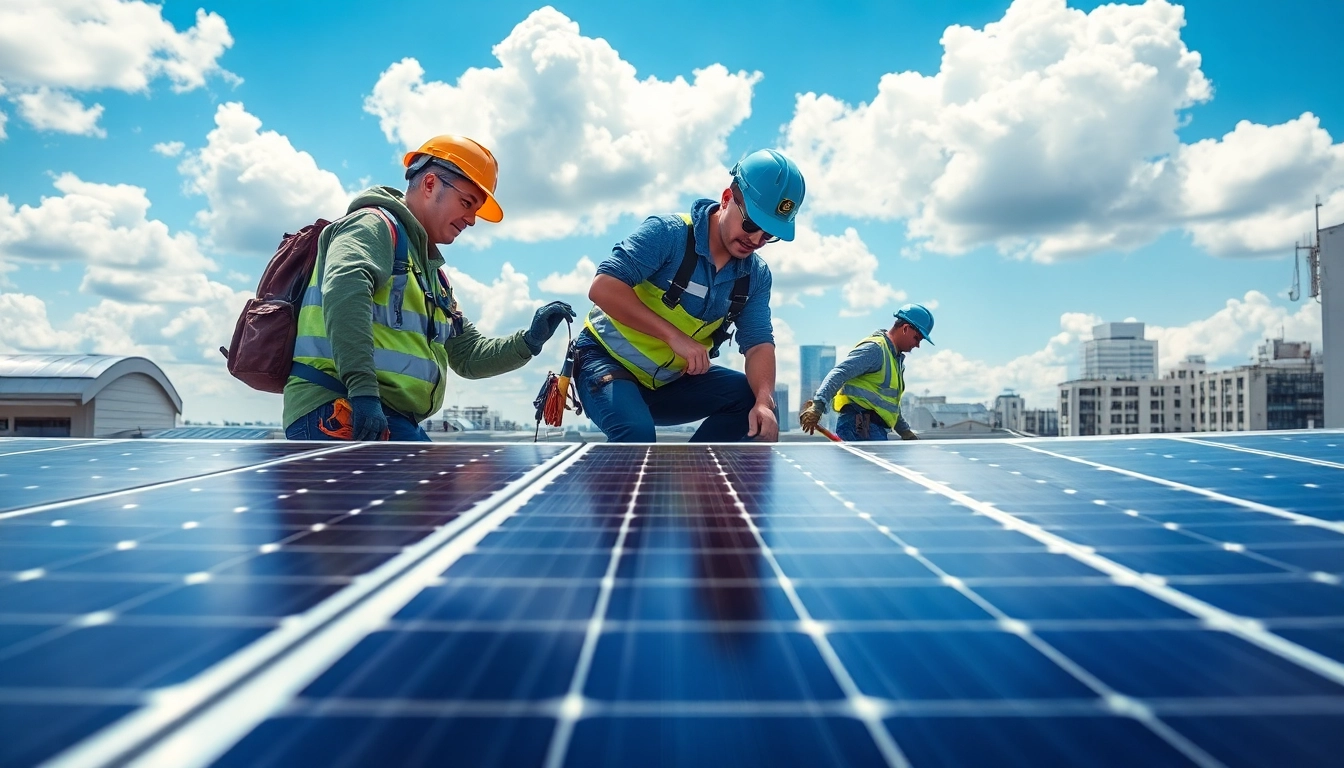
Preparation is key when it comes to installing solar panels. Start by assessing your roof’s structure and orientation. Ideally, a south-facing roof with minimal shading will yield the best results. It's also critical to ensure that the roof is in good condition, as solar panels typically have a lifespan of 25 years or more. If your roof is nearing the end of its lifecycle, it is advisable to repair or replace it before installation.
Steps Involved in Solar Panel Installation
The installation process can vary based on the specific system and property, but typically includes the following steps:
- Site Assessment: Professionals evaluate your home’s energy needs and roof structure.
- System Design: A tailored solar design is created based on energy requirements and roof specifications.
- Permitting: Necessary building permits and approvals are obtained from local authorities.
- Installation: The solar system is installed, including mounting the panels and connecting to the electrical system.
- Inspection: A final inspection ensures that everything meets safety and efficiency standards.
- Activation: Once installed and inspected, the system is activated and begins producing energy.
Common Installation Challenges
Solar panel installation can be fraught with challenges. Understanding these issues can help in mitigating them:
- Roof Integrity: If the roof has damage or inadequate support, it can lead to complications during installation. Ensuring the roof's viability beforehand is crucial.
- Permitting Delays: Acquiring necessary permits can be time-consuming, so it's wise to start this process early and stay on top of regulations.
- Shading Issues: Trees, buildings, or other obstructions can hinder solar efficiency. Consider trimming trees or opting for a different installation location if shading is an issue.
Maintenance and Care for Solar Systems
Routine Maintenance Tips
Maintaining solar panels is relatively easy but requires some routine attention to ensure maximum efficiency:
- Regularly inspect panels for dirt, debris, or damage.
- Keep panels clean, either through rain or manual cleaning with water and a soft brush.
- Monitor production levels to detect any significant drops that might indicate issues.
Identifying and Troubleshooting Issues
Solar systems might experience issues over time, such as decreased efficiency or technical malfunctions. Some common signs include:
- Shadowing or discoloration on the panels, which may indicate dirt or damage.
- Fluctuations in energy production compared to expected outputs based on historical data.
- Inconsistent inverter readings may signal needing servicing or replacement.
If you encounter such issues, it is often advisable to consult a professional to conduct a thorough inspection and remedy any problems before they escalate.
Long-term Care for Optimal Performance
To ensure the longevity and maximum output of your solar system, consider the following long-term care strategies:
- Schedule periodic professional inspections to spot issues that may go unseen.
- Invest in monitoring systems that provide real-time data on energy production and efficiency.
- Maintain clear communication with your installation provider regarding warranties and service agreements.
Evaluating the Impact of Solar Energy Usage
Environmental Impacts of Solar Energy
The environmental benefits of solar energy usage are profound. By transitioning from fossil fuels to solar power, we can significantly decrease our carbon footprint and other harmful emissions. Solar energy also contributes to water conservation, as conventional energy sources often require vast amounts of water for cooling processes. Moreover, the scalability of solar installations, from residential rooftops to large solar farms, ensures that communities worldwide can leverage clean energy solutions for sustainable development.
Economic Advantages for Homeowners
For homeowners, adopting solar energy systems can lead to substantial economic benefits, including:
- Increased Home Value: Homes with solar energy systems typically see an increase in property value, as homebuyers are often willing to pay more for energy-efficient properties.
- Tax Incentives: Various federal, state, and local government programs provide tax credits and rebates for solar installation, significantly offsetting initial costs.
- Energy Independence: Generating your power can shield you from rising energy costs and help stabilize your long-term energy expenses.
Future Trends in Solar Energy Technology
The future of solar energy technology is filled with exciting possibilities as research and innovation continue. Key trends include:
- Enhanced Storage Solutions: With the development of more efficient battery technologies, homeowners can store excess solar energy for use during off-peak hours.
- Smart Technology Integration: Smart grids and energy management systems will allow for better energy distribution and usage, optimizing solar power consumption.
- Energy-Generating Windows: Advances are being made towards integrating solar technology into building materials, such as windows that can generate power.
As the solar industry continues to evolve, staying informed about these advancements will ensure that both current and prospective users can maximize their investment in solar power. For further insights into harnessing solar energy to its fullest potential, visit https://solarxmedia.com.