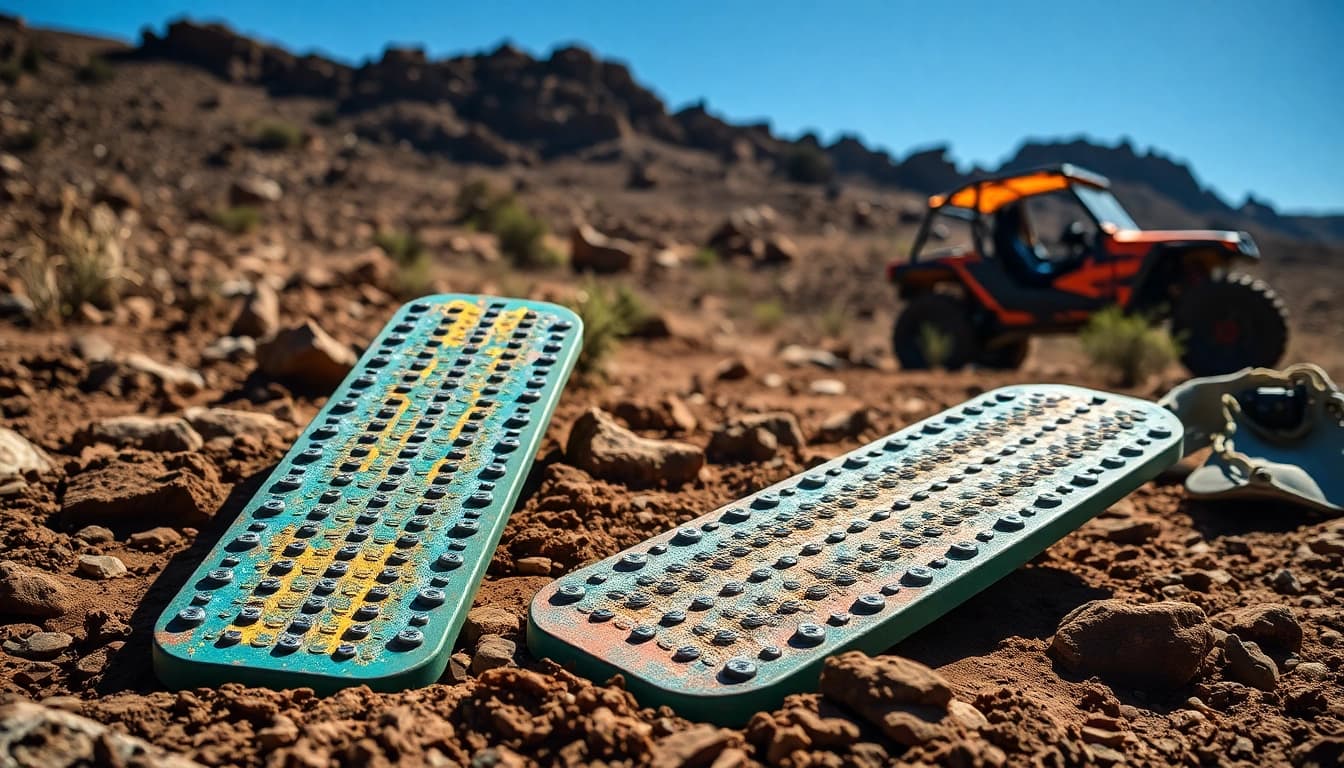
Introduction to Traction Boards
When venturing into off-road terrain, whether it's muddy, snowy, or sandy, having the right tools can make all the difference in ensuring a smooth and safe experience. One such essential tool is Traction Boards. Designed for aiding vehicles stuck in difficult situations, traction boards are a pivotal aspect of any off-road enthusiast's kit. But what exactly are these boards, and how can they enhance your outdoor adventures? In this article, we will unravel the intricacies of traction boards, from their construction to their effective utilization, and how to choose the perfect one for your needs.
What are Traction Boards?
Traction boards are flat, often elongated surfaces equipped with textured features or patterns to provide friction for tire grip. Typically made from plastic or composite materials, these boards assist vehicles in gaining traction when they become immobilized in challenging terrains like mud, snow, or loose sand. Their lightweight design allows for easy handling, enabling quick deployment when the situation calls for it. These boards can come in different sizes to accommodate various types of vehicles, adding versatility to their usage.
How Traction Boards Work
The primary mechanism behind traction boards is simple physics: increasing the surface area for the tires to grip while providing the necessary friction to disengage from stuck positions. When a vehicle's tires spin helplessly in mud or fail to find purchase on snow, placing traction boards beneath them enables the wheels to grip onto a stable surface. The textured surface helps minimize slippage, while the rigid structure supports the weight of the vehicle, allowing it to roll over the impediment without further getting stuck.
Benefits of Using Traction Boards
- Quick Recovery: Traction boards can drastically reduce recovery time, allowing you to continue your journey without the need for costly towing services.
- Lightweight and Portable: Most traction boards are designed to be lightweight and easily stowed away, making them convenient companions on any adventure.
- Versatile Applications: From off-roading to recovery scenarios, traction boards serve multiple functions across a variety of terrains.
- Durability: Many are constructed from tough, impact-resistant materials, ensuring they endure harsh conditions without breaking or cracking.
Selecting the Right Traction Boards
Choosing the appropriate traction boards for your needs can significantly impact their effectiveness. Here are the key aspects to consider:
Key Features to Consider
- Surface Texture: A textured surface can provide better grip, so look for boards with rough patterns designed to optimize friction.
- Weight Capacity: Ensure the traction boards can handle the weight of your vehicle. Always check the manufacturer's weight limits before purchase.
- Flexibility vs. Rigidity: Some boards are rigid, while others provide a degree of flex. Depending on the type of terrain, either might be beneficial.
Materials and Durability
Traction boards are predominantly made from various plastics like high-density polyethylene (HDPE) or composite materials designed for high impact. When selecting traction boards, consider their ability to withstand wear and tear from rough surfaces without shattering or bending. Look for UV-resistant materials if you plan to store them outdoors frequently, as prolonged sun exposure can degrade lesser materials over time.
Size and Shape Options
Traction boards come in a variety of sizes and shapes. Some are shorter and broader, suitable for larger vehicles, while others might be narrower for compact cars. It’s essential to match the size and shape of the boards to your vehicle type, as well as the types of terrains you frequently encounter. If you often tackle challenging off-road situations, larger boards that provide a broader surface area may be ideal.
Using Traction Boards Effectively
Now that you’ve chosen the right traction boards, let’s discuss how to use them effectively in various scenarios.
Installation and Setup Tips
Proper installation is crucial for effective use. Begin by assessing the situation; once you've determined where the vehicle is stuck, positioning the boards correctly will make a significant difference. You may want to clear away some obstructing debris, and then gently slide the traction boards under the driven wheels of the vehicle. Be sure they are fully in contact with the tires and adjusted according to the terrain for maximum benefit.
Common Applications
Traction boards can be deployed in numerous situations, including:
- Mud: Place the boards firmly under spinning tires to provide immediate grip.
- Snow: They can help create a solid base under tires to gain traction on icy or snowy paths.
- Sand: Used on beaches, traction boards can keep vehicles from digging deeper into the sand.
Safety Precautions to Take
While using traction boards, always prioritize safety. Before deploying the boards, ensure the surrounding area is clear of obstacles and personnel. Consider putting your vehicle in park, and if it is necessary to use them in particularly precarious situations, ensure that another person is available to assist. Avoid using traction boards on steep inclines where the vehicle might roll backward.
Maintenance of Traction Boards
Proper maintenance can extend the lifespan of your traction boards significantly, ensuring they remain effective for years to come.
Cleaning and Care
After each use, it’s important to clean your traction boards properly. Rinse off mud, sand, or snow, and allow them to dry in sunlight when possible. A soft brush can help remove stubborn dirt. Avoid harsh chemicals that may compromise the material integrity.
Inspecting for Damage
Regular inspections of your traction boards will help catch any potential damage early. Look for cracks or bends that might worsen over time. If any significant damage is found, it’s prudent to replace them to ensure safety and effectiveness.
Storage Recommendations
Store traction boards in a cool, dry place away from direct sunlight to prevent material degradation. Many users opt for carrying bags designed for storage, which keep them organized and protected during transportation.
FAQs About Traction Boards
What materials are traction boards made from?
Most are made from durable plastic or lightweight composite materials that resist wear and tear.
How do I use traction boards for recovery?
Place them under the wheels of a vehicle stuck in mud or snow to provide grip and assist in getting it out.
Can traction boards be used on all terrains?
Yes, they are effective in mud, snow, sand, and other challenging surfaces.
How do I maintain my traction boards?
Clean them regularly, inspect for cracks, and store them in a cool, dry place to prolong lifespan.
Are all traction boards the same size?
No, they come in various sizes to suit different vehicle types and off-road situations.