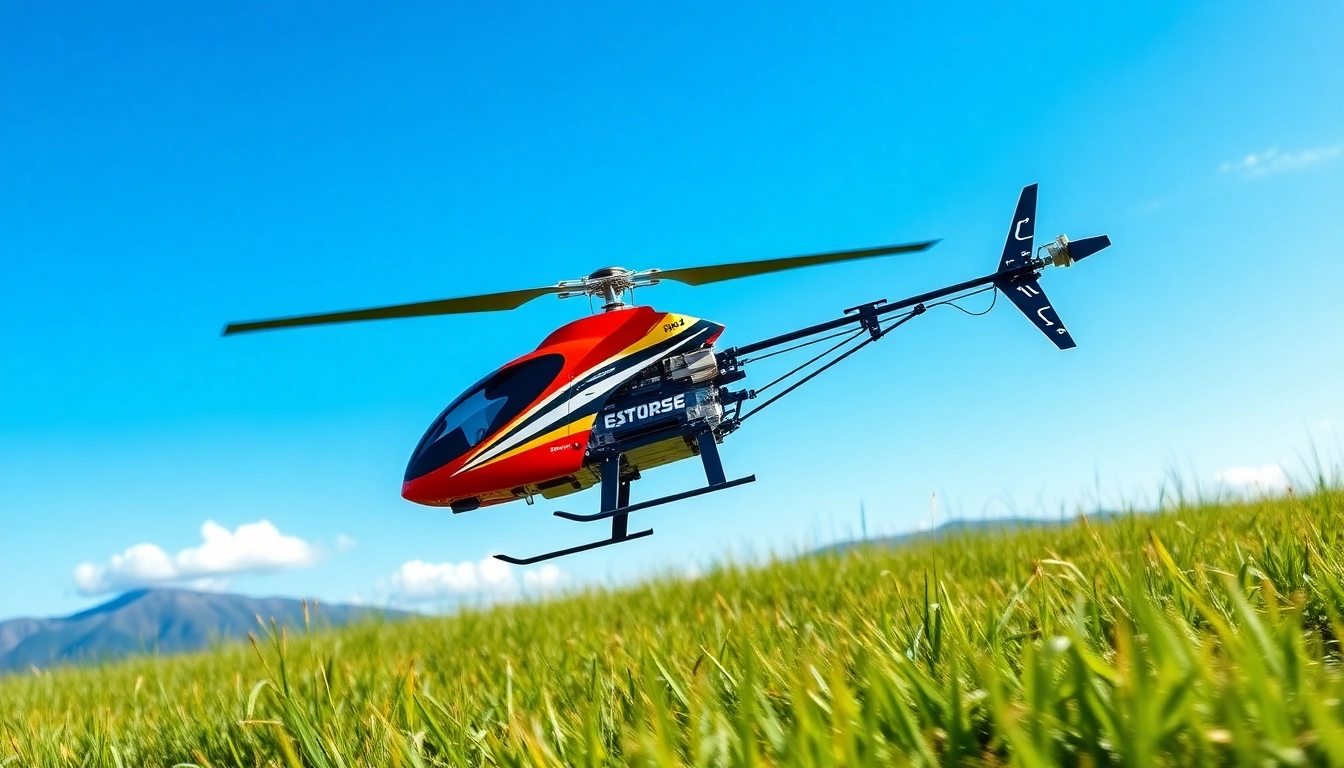
Understanding the Basics of rc helicopters
Engaging in the world of rc helicopter flying opens up a realm of excitement and challenges. For those new to this hobby, it’s essential to grasp the foundational elements influencing performance and maneuverability. This guide will delve into the intricacies of rc helicopters, covering everything from the various types to an understanding of their components and operations.
Types of rc helicopters
There are several types of rc helicopters, each designed for specific purposes and user expertise levels:
- Fixed Pitch Helicopters: Typically suitable for beginners, these models allow for simpler control since the rotor blades maintain a fixed angle during flight.
- Collective Pitch Helicopters: More advanced, these are capable of performing a wide range of maneuvers due to their adjustable blade pitch, but they require greater understanding and skill.
- Electric vs. Gas-powered Helicopters: Electric models are easier to maintain and quieter, making them perfect for indoor flying, while gas-powered options offer longer flight times and more power, ideal for outdoor maneuvers.
- Ready-to-Fly (RTF) vs. Almost Ready-to-Fly (ARF): RTF helicopters come fully assembled and require minimal setup, whereas ARF helicopters require some construction and tuning, appealing to hobbyists who enjoy building and customizing their aircraft.
Essential components of an rc helicopter
Understanding the fundamental components of an rc helicopter is crucial for both operation and maintenance:
- Frame: The structure that houses the other components and determines the helicopter’s overall weight and stability.
- Rotor Blades: The blades are responsible for generating lift and control; their design and materials can significantly impact flight characteristics.
- Motor: Supplies power to the rotor system. Brushless motors offer greater efficiency and power compared to brushed motors.
- Battery: Responsibilities include powering the helicopter's motor and electronic systems. Lithium polymer batteries are the most common due to their lightweight and high energy density.
- Receiver and Transmitter: The receiver receives the signals from the transmitter, which the pilot uses to control the helicopter. A good quality transmitter enhances control precision and range.
How rc helicopters work
The operation of an rc helicopter is centered around the principles of aerodynamics and control:
When the motors spin the rotor blades, they create lift by changing air pressure above and below the blades. This vertical lift is counteracted by weight, allowing the helicopter to rise or descend. Pilots control the helicopter's orientation and movement by varying the pitch of the rotor blades and the throttle. Understanding how to balance these forces becomes crucial for manipulating the helicopter during flight.
Choosing the Right rc helicopter for You
Picking the ideal rc helicopter involves understanding your personal preferences, skill level, and intended use. A well-informed choice enhances your flying experience and leads to better skill development.
Factors to consider when purchasing
- Skill Level: Choose a helicopter that matches your flying ability. Beginners should opt for RTF models and fixed pitch types.
- Flight Environment: Indoor and outdoor environments dictate the type of helicopter you should choose, particularly related to size and power.
- Durability: If you're prone to crashes, select a sturdy model that can withstand bumps and falls.
- Parts Availability: Ensure that replacement parts are readily available for maintenance to prolong the helicopter's lifespan.
- Budget: Your budget will influence your options. It’s crucial to research models that offer the best features within your price range.
Best rc helicopters for beginners
For newcomers to the rc flying community, specific models stand out for their user-friendliness:
- Baylor RTF Helicopter: Renowned for stability and ease of control, making it a great starter choice.
- Sky Surfer: Offers a smooth flight experience and durability, perfect for practicing basic maneuvers.
- Syma S107: A mini helicopter that is both affordable and easy to fly, ideal for indoor spaces.
Advanced rc helicopter options
For seasoned fliers looking to elevate their skills, advanced options include:
- Trex 700: Known for its speed and agility, perfect for stunts and aerial tricks.
- Align T-Rex 800: Designed for serious hobbyists, this model emphasizes performance and offers customizability.
- Blade 230s: Provides stability and flexibility with various flying modes for advanced pilots.
Essential Flight Techniques for rc helicopters
Understanding flight techniques is critical for safety and performance improvement in rc helicopter operation.
How to take off and land smoothly
Taking off requires a gradual throttle increase; excessive power can cause rapid ascension or instability. Ensure the helicopter is level and apply controlled throttle until it takes off smoothly. For landing, decrease throttle gradually and maintain a consistent altitude to ensure a stable descent. A smooth, controlled landing prevents damage to the helicopter.
Navigating turns and maneuvers
Turning can be challenging; it involves tilting the helicopter's frame while adjusting rotor pitch. Utilize cyclic control to navigate turns while maintaining a steady throttle. Practice basic maneuvers in an open space to build your confidence before attempting some advanced tricks.
Troubleshooting common flight issues
Flight issues may arise from several sources, including battery performance, motor problems, or misalignment of the rotor blades. Ensure regular inspections of your rc helicopter. If you experience drifting, check the trim settings on your transmitter and recalibrate as needed. Unexpected shutdowns may indicate battery problems; verify connections and battery health.
Maintenance and Care for rc helicopters
Consistent maintenance can significantly extend the lifespan of your rc helicopter. Establishing a routine care regimen is essential for keeping it in optimal condition.
Cleaning and storing your rc helicopter
To maintain performance and aesthetics, make it a habit to clean your rc helicopter after each flight. Ensure the rotor blades and frame are free from dirt and debris. Proper storage also matters; store your helicopter in a cool, dry place to prevent damage from humidity or heat.
Parts replacement and upgrades
Over time, you may need to replace parts or upgrade components for better performance. High-quality replacement parts can be sourced from hobby shops or online retailers. Upgrading motors or rotors can significantly improve flight capabilities. Regularly assess components for wear and replace them as needed to ensure maximum performance.
Extending the lifespan of your rc helicopter
To prolong the lifespan, adopt best practices such as avoiding overcharging batteries and adhering to flight safety guidelines. Regular check-ups will aid in damage detection early on, ensuring you can address any issues promptly.
Joining the rc helicopter Community
Becoming part of the rc helicopter community can enhance your flying experience and expand your knowledge base. Networking with experienced fliers offers valuable insight and assistance.
Online forums and resources
Online platforms and forums are excellent resources for troubleshooting, advice, and tips from seasoned pilots. Websites dedicated to rc hobbies often have sections for share insights, showcasing personal experiences and providing valuable updates on new models available in the market.
Local clubs and events
Connecting with local clubs allows you to practice flying and participate in group events. Clubs often have experienced members who provide mentorship to novices. Look out for community events, as these are inspiring opportunities to learn, compete, and share your passion.
Competing in rc helicopter contests
Participating in contests not only boosts your skills but offers a chance to meet like-minded enthusiasts. Many regions hold competitions where pilots can showcase their abilities in freestyle maneuvers or racing. Engaging in contests can refine technical skills while enhancing the joy of flying.
Frequently Asked Questions
What is the best rc helicopter for beginners?
A good choice for beginners is the Syma S107. It's affordable, easy to control, and robust, making it perfect for indoor flying.
How can I improve my flying skills?
Practicing regularly, learning from experienced flyers, and utilizing simulation software can significantly enhance your rc flying skills.
Are electric or gas-powered helicopters better?
Electric helicopters are typically easier to maintain and operate, while gas-powered models offer longer flight times and more power, depending on your preferences.
How often should I maintain my rc helicopter?
Regular cleaning after each flight and thorough inspections every few flights can help identify any issues early. Prioritize parts replacement and necessary maintenance routines.
Where can I find rc helicopter communities?
Online forums, social media groups, and local hobby clubs are excellent places to connect with other rc helicopter enthusiasts and gain valuable insights.