Understanding Structural Steel Fabrication
Structural steel fabrication is a vital process in the construction industry, integrating complex engineering principles with practical craftsmanship. It encompasses the conversion of raw steel into structural components such as beams, columns, and trusses. These components are essential for constructing buildings, bridges, and various infrastructural projects. Understanding the nuances of this process is crucial for anyone involved in construction, engineering, or architecture. By exploring structural steel fabrication, we can grasp its many facets and underlying importance.
What is Structural Steel Fabrication?
Structural steel fabrication refers to the process of cutting, bending, and assembling steel components to create the framework of buildings and other structures. This process is critical in ensuring that the structures are not only functional but also safe and durable. The fabrication begins with the selection of the appropriate type of steel, which is then subjected to several processes, including cutting, welding, and finishing. The result is a set of components that meet stringent industry standards and specifications.
Importance of Structural Steel in Construction
Steel is widely recognized for its strength, durability, and versatility. Its importance in construction cannot be overstated. Structural steel plays a pivotal role in a variety of construction projects, including residential, commercial, and industrial structures. The key benefits include:
- Strength-to-Weight Ratio: Steel has an exceptional strength-to-weight ratio, allowing for lighter structural designs without compromising strength.
- Durability: Steel can withstand various environmental conditions, making it a preferred choice for both indoor and outdoor projects.
- Design Flexibility: Steel can be fabricated to meet a wide range of design specifications, allowing architects and engineers to be creative with their designs.
Moreover, the reliability of structural steel has made it a fundamental element in ensuring the safety and longevity of buildings.
Common Techniques Used in Steel Fabrication
The field of structural steel fabrication employs various techniques to create components that meet engineering specifications. Some common methods include:
- Cutting: Steel is cut using methods like flame cutting, plasma cutting, or laser cutting, allowing high precision.
- Bending: Steel components are shaped using press brakes or roll bending machines to create curves and angles.
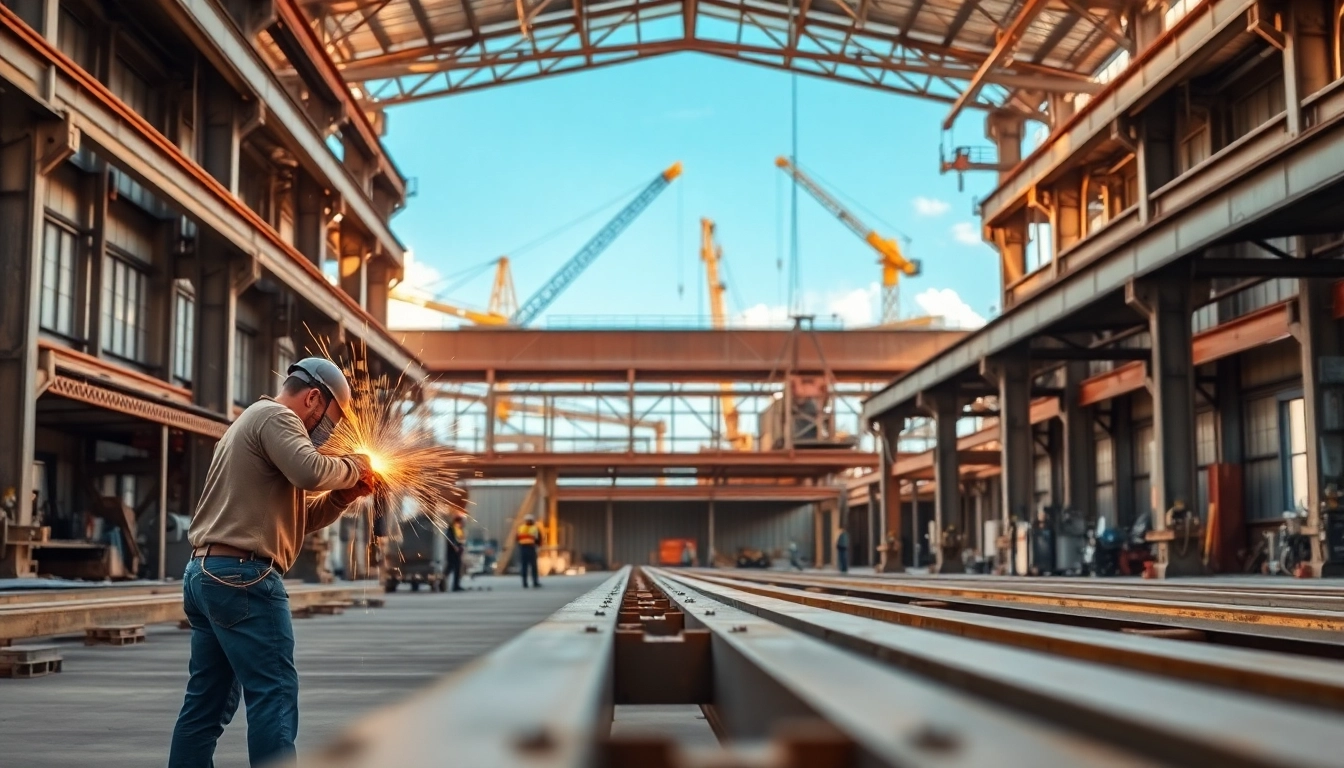
- Welding: This is the most common technique for joining steel sections. Different welding techniques, such as MIG, TIG, and arc welding, may be employed based on the requirements.
- Drilling and Stamping: Holes are often drilled or stamped in steel to facilitate connections and further fabrication.
Each of these techniques contributes to the creation of robust and reliable steel components used across various projects.
Key Stages of the Fabrication Process
The fabrication process of structural steel involves several key stages, each crucial to the final outcome. Understanding these stages can help ensure that the fabrication process is efficient and meets the required standards.
Preparation and Material Selection
The first step in steel fabrication is material selection, which involves choosing the right type of steel based on project requirements. Factors such as load-bearing capacity, environmental conditions, and cost considerations come into play. Once the material is selected, it requires preparation:
- Inspection: The raw steel is inspected for defects and structural integrity.
- Cutting: The steel is cut to the desired lengths and sizes as per the engineering drawings.
- Cleaning: Surface preparation is performed to remove oxides and contaminants to ensure quality welds.
Cutting, Bending, and Shaping Steel
After preparation, the actual fabrication work begins. This includes cutting the steel into specific shapes and sizes:
- Cutting: Advanced machinery is used for precise cutting to achieve the required dimensions.
- Bending: Steel is bent into required angles using hydraulic presses or other machines, ensuring the integrity of material properties.
- Shaping: Shapes like I-beams, C-channels, and plates are formed depending on structural requirements.
These processes need to be executed carefully to ensure accuracy and compliance with engineering specifications.
Welding and Assembly Techniques
Welding is a critical step in steel fabrication, responsible for joining and assembling the various cut and shaped pieces. Common welding techniques include:
- MIG (Metal Inert Gas) Welding: A popular method for its speed and versatility in joining different types of steel.
- TIG (Tungsten Inert Gas) Welding: Used for thin materials and providing a cleaner weld.
- Arc Welding: Effective for thick materials and high-strength applications.
Proper assembly techniques are vital to ensure stability and alignment, which is often supported by the use of additional fasteners such as bolts and screws.
Innovations Driving Structural Steel Fabrication
As the construction industry evolves, so do the tools and methodologies associated with structural steel fabrication. Innovations in technology and practices are significantly enhancing efficiency and effectiveness in the fabrication process.
Advanced Technologies in Steel Manufacturing
The integration of advanced technologies in steel manufacturing is transforming how fabrication is conducted:
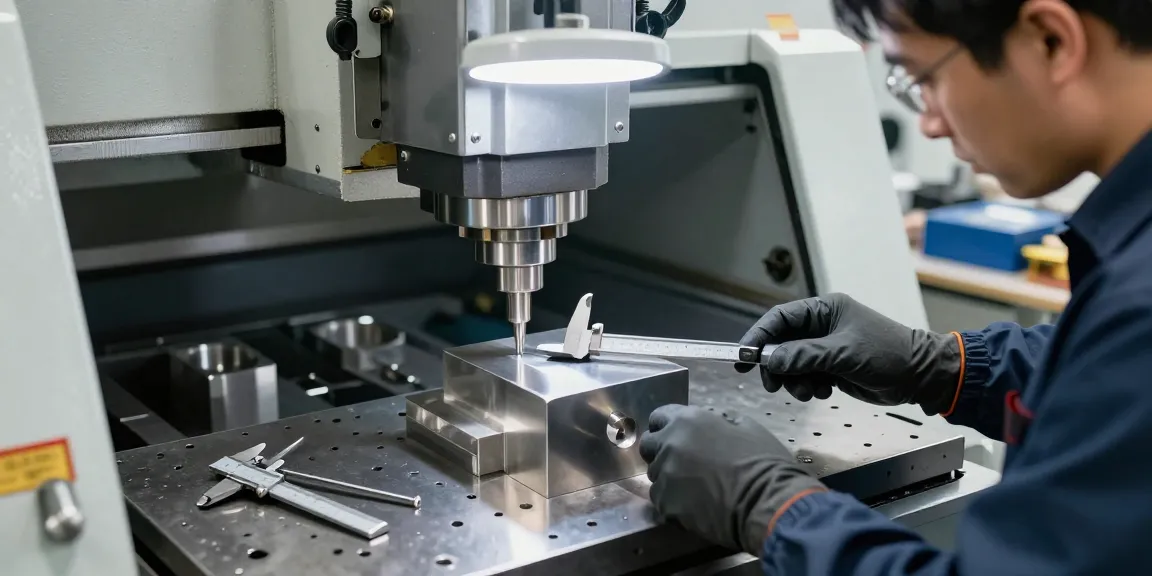
- Automated Machinery: CNC (Computer Numerical Control) machines improve precision cutting and fabrication, reducing human error.
- 3D Modeling and BIM: Building Information Modeling (BIM) allows for precise design and collaborative planning, integrating every stage of construction from inception to completion.
- Robotic Arms: Robotics in welding and assembly are increasing efficiency while ensuring consistent quality in production.
These innovative technologies not only streamline operations but also enhance overall safety and minimize waste.
Eco-Friendly Practices in Fabrication
As sustainability becomes a priority, the steel fabrication industry is adopting eco-friendly practices. These include:
- Recyclable Materials: Steel is 100% recyclable, and using recycled steel reduces environmental impact.
- Energy Efficient Processes: Implementing energy-efficient machinery and practices can significantly reduce a facility's carbon footprint.
- Waste Reduction: Advanced manufacturing techniques are being used to minimize scrap and optimize material usage.
These methods not only align with global sustainability goals but also can lead to cost savings for companies embracing them.
Trends Shaping the Future of Steel Fabrication
The future of structural steel fabrication is being shaped by several significant trends:
- Modular Construction: Growing in popularity, modular techniques involve prefabricating components offsite, leading to reduced site-built construction time and increased efficiency.
- Digital Twin Technology: This involves creating a digital counterpart of physical assets to monitor and analyze performance data, enhancing maintenance and efficiency.
- Data Analytics: Data-driven decision-making is becoming essential for optimizing fabrication processes and predicting project outcomes.
These trends signify a shift toward a more integrated, efficient, and data-driven approach to structural steel fabrication.
Quality Control and Safety Measures
The integrity of fabricated structural steel components directly affects the safety and durability of buildings and structures. Thus, stringent quality control and safety measures are paramount.
Ensuring Quality in Structural Steel Fabrication
Quality assurance is a critical component of structural steel fabrication. Effective practices include:
- Inspection Protocols: Regular inspections at various stages of the fabrication process help identify and mitigate potential issues early.
- Testing: Conducting tests such as tensile strength testing and weld quality testing ensures that materials meet safety standards.
- Documentation: Rigorous documentation practices track materials used and processes applied, ensuring traceability and accountability.
This commitment to quality enhances the reliability of the final product and satisfies regulatory requirements.
Health and Safety Protocols
Health and safety measures in the steel fabrication industry are critical, given the inherently hazardous nature of the work:
- Personal Protective Equipment (PPE): Workers should use PPE, including helmets, gloves, goggles, and steel-toed boots to minimize risks.
- Training Programs: Comprehensive training programs ensure that employees understand safety protocols and best practices.
- Emergency Preparedness: Establishing emergency response plans and regular drills prepares workers to handle accidents efficiently.
Implementing these safety measures reduces the risk of accidents and enhances overall workplace safety.
Regulatory Standards for Structural Steel
Compliance with regulatory standards is essential for any structural steel fabrication operation. Standards and codes, such as:
- AISC (American Institute of Steel Construction): Provides guidelines for the design and construction of steel structures.
- ASTM (American Society for Testing and Materials): Establishes standards for material properties and testing.
- OSHA (Occupational Safety and Health Administration): Enforces safety regulations and ensures a safe working environment.
Following these guidelines is crucial for ensuring quality and safety in steel fabrication projects.
Case Studies and Real-World Applications
Understanding how structural steel fabrication works in real-world applications can provide valuable insights into its capabilities and challenges.
Successful Projects Utilizing Steel Fabrication
Numerous landmark projects have successfully utilized structural steel fabrication:
- The Burj Khalifa: The world's tallest building, it employs a structural steel framework to achieve its incredible height and withstand extreme weather.
- The Sydney Opera House: Its unique sail-like design was made possible by innovative steel fabrication techniques.
- The Golden Gate Bridge: A monumental example of steel fabrication, showcasing the material's strength and durability over decades.
These projects exemplify the versatility and effectiveness of structural steel in meeting complex design and engineering challenges.
Challenges Faced in Large-Scale Fabrication
Despite its advantages, large-scale structural steel fabrication presents several challenges:
- Logistics and Transportation: Transporting large steel components requires careful planning to ensure safe delivery and assembly on-site.
- Cost Management: Steel prices can fluctuate significantly, making budget adherence difficult without strategic sourcing and planning.
- Regulatory Compliance: Navigating various local, state, and federal regulations can be complex and time-consuming.
Addressing these challenges requires robust planning, expert knowledge, and often innovative solutions.
Lessons Learned from Industry Innovations
The ongoing evolution of structural steel fabrication has yielded significant lessons for stakeholders in the industry:
- Embrace Technological Advancements: Staying updated with new technology enhances efficiency and competitiveness.
- Focus on Sustainability: Integrating eco-friendly practices not only meets consumer demand for sustainability but also reduces operational costs.
- Value Collaboration: Fostering collaboration among architects, engineers, and fabricators leads to better outcomes and innovative solutions.
These lessons are pivotal for companies aiming to thrive in an increasingly competitive and environmentally conscious market.