
Understanding Off-Road Motorcycles
Defining Off-Road Motorcycles
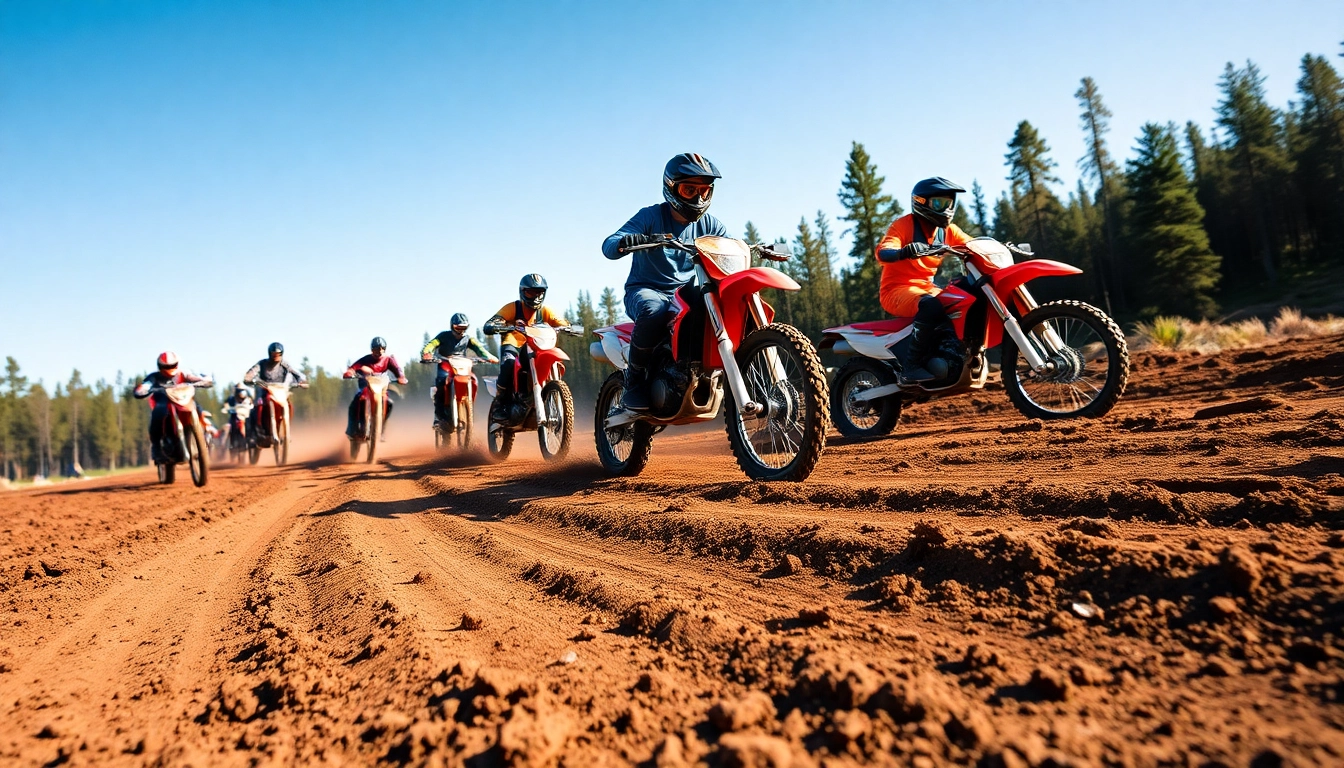
Off-road motorcycles are specifically built to tackle the demands of unpaved terrains, typically making them ideal for adventure enthusiasts seeking thrill and excitement away from smooth roads. These motorcycles are designed for various environments, including trails, deserts, mountains, and muddy pathways. Unlike conventional motorcycles, they boast robust construction, versatile features, and agility that make navigating in diverse off-road conditions a breeze.
Key Features of Off-Road Bikes
When selecting an off-road motorcycle, it’s essential to recognize the distinct components and characteristics that make them adept for rugged terrains. Notable features include:
- Suspension System: Off-road motorcycles typically have long-travel suspension systems that absorb shocks and maintain stability on uneven surfaces.
- Tires: The tires are designed with aggressive tread patterns to provide traction, grip, and maneuverability, essential when navigating through mud, sand, or gravel.
- Lightweight Frame: A lighter frame allows riders to have better control and maneuverability, critical for overcoming tricky obstacles.
- Powerful Engine: Off-road bikes are equipped with powerful engines that offer high torque and acceleration necessary to tackle steep hills and uneven surfaces.
- Durable Construction: Materials used in off-road motorcycles are typically more resilient to withstand rigorous activities, rough handling, and exposure to elements.
Popular Off-Road Motorcycle Types
Off-road motorcycles can be categorized into several types, each catering to different riding styles and terrains. Some popular types include:
- Enduro Bikes: These are versatile motorcycles suitable for long-distance travel and often feature lights for riding in the dusk or dawn.
- Motocross Bikes: Typically built for racing on closed circuits with jumps and turns, motocross bikes are lightweight and lack extra features like lights or signals.
- Trail Bikes: Designed for trail riding, these motorcycles provide a balance between performance and comfort, catering to both beginners and experienced riders.
- Dirt Bikes: These are specifically made for rough terrains, offering incredible power and suspension to navigate through tough conditions.
- Adventure Bikes: Incorporating features from touring motorcycles, adventure bikes are suited for both on-road and off-road riding, providing comfort for long journeys.
Choosing the Right Motorcycle
Assessing Your Riding Skills
Before diving into purchasing an off-road motorcycle, an honest evaluation of your riding skills is crucial. Beginners should seek motorcycles that are manageable in terms of size, weight, and power. Often, smaller displacement bikes or those specifically marked as beginner-friendly provide an ideal entry point into the world of off-roading. Experienced riders may prefer more powerful machines, as they will have the skill set to handle the performance capabilities.
Evaluating Bike Specifications
Consider the specifications that match your off-road needs. Key elements to assess include engine displacement, weight, suspension travel, seat height, and tire specification. An ideal off-road motorcycle should align with your riding style, whether it’s high-speed racing on motocross tracks or leisurely rides through scenic trails. Test rides can greatly assist in understanding how a bike feels and handles on rough terrains.
Budget Considerations for https://relevance.com.ua
Budgeting for an off-road motorcycle requires considering not only the initial purchase price but also ongoing expenses such as maintenance, insurance, gear, and modifications. A well-researched budget can help avoid financial strain, guiding selections between new and used motorcycles. Additionally, visiting https://relevance.com.ua may provide insights on pricing trends, reviews, and dealership information to support informed decision-making.
Safety Gear and Preparation
Essential Protective Gear for Riders
Safety should always be a priority when riding off-road. Proper protective gear includes:
- Helmet: A DOT-approved helmet can protect against head injuries and should be lightweight for comfort.
- Goggles: Protecting eyes from dust and debris is vital, making goggles an essential piece of gear.
- Gloves: Off-road riding gloves enhance grip and protect against abrasion.
- Chest Protectors: These protect vital areas in case of falls or collisions.
- Knee and Elbow Pads: Using pads can drastically reduce the risks of severe injuries.
- Riding Boots: Sturdy, supportive boots offer ankle protection and grip.
Preparing for Off-Road Conditions
Before riding, it’s crucial to prepare adequately. This entails inspecting the motorcycle for mechanical issues, ensuring tire pressure is optimal, and that the chain is well-lubricated. Familiarizing oneself with the surroundings and planned route also contributes towards a safer riding experience.
Tips for Maintaining Your Motorcycle
Routine maintenance keeps your motorcycle in top condition. Key maintenance tips include:
- Regularly inspect and clean air filters to ensure optimal performance.
- Check the oil levels frequently and replace oil following the manufacturer's guidelines.
- Keep the chain clean and properly lubricated to avoid wear.
- Inspect tires for wear often and replace them as needed for safety and performance.
- Consult the bike's manual for additional specific maintenance instructions.
Planning Your Adventure
Selecting the Ideal Trails
Choosing the right trails can significantly affect the quality of the ride. Beginners may start with easy trails and gradually progress to more challenging ones as they build confidence and skills. Resources such as local riding clubs and online forums can offer ample information on popular trail systems available in your region.
Understanding Local Regulations
Before venturing out, familiarizing yourself with the local laws and regulations concerning off-road riding is essential. Different regions may have specific rules regarding trail usage, noise restrictions, and necessary permits, which all contribute to responsible riding.
Essential Supplies to Bring Along
When planning your ride, it’s wise to carry vital supplies. Essential items include:
- First aid kit for emergencies
- Basic tools for minor repairs
- Extra fuel for extended rides
- Water and snacks to maintain energy during long excursions
- A map or GPS for navigation
Maximizing Your Off-Road Experience
Training and Skill Development
To enhance riding skills, consider investing in off-road riding courses. Professional instruction can provide valuable techniques for handling diverse situations, enabling riders to gain confidence and proficiency more rapidly than through self-teaching methods.
Connecting with the Off-Road Community
Engaging with fellow riders can enhance the off-road experience. Joining local riding groups or clubs offers opportunities to socialize, share tips, and participate in group rides, which can also present opportunities for mentorship and skill sharing.
Documenting Your Adventures Effectively
Keeping a record of your journeys can be immensely rewarding. Photographs and journals allow you to reflect and appreciate your experiences over time. Additionally, sharing your adventures on social platforms or blogs can inspire others and contribute to the off-road community.