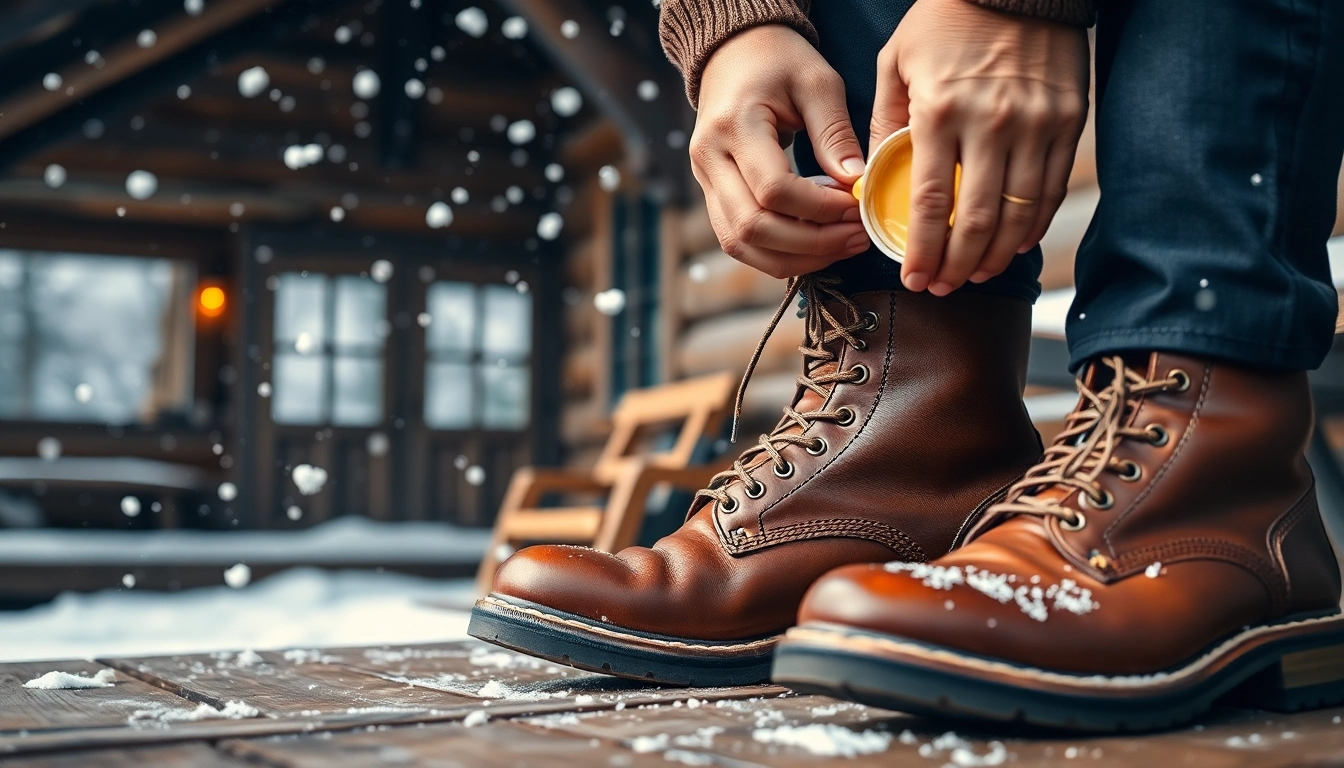
Understanding the Need for Waterproofing Leather Boots for Winter
As winter approaches, many people rely on leather boots for their style and durability. However, the cold weather and wet conditions can wreak havoc on leather if it isn't properly maintained. Learning how to waterproof leather boots for winter is essential for ensuring your footwear remains functional and stylish throughout the colder months. The investment you made in quality leather deserves the protection that waterproofing offers.
The Impact of Winter Elements on Leather
Winter poses several threats to leather, including moisture from rain, snow, and ice. These elements can lead to a range of issues, such as:
- Water Damage: Excess moisture can weaken the leather fibers, making them more susceptible to cracking and deterioration.
- Salt Stains: De-icing agents used on roads can seep into the leather, leaving unsightly stains that can damage its appearance.
- Mold and Mildew: A damp environment can encourage the growth of mold and mildew, which can ruin your boots completely.
Benefits of Waterproofing Your Boots
Here are some key benefits of waterproofing your leather boots:
- Extended Lifespan: Properly waterproofed leather can last significantly longer, maintaining its structure and appearance through years of use.
- Improved Comfort: Waterproofing helps keep your feet dry, enhancing comfort and reducing the chances of developing blisters.
- Increased Resale Value: Well-maintained boots often retain value better than those that show signs of wear and damage from harsh conditions.
Common Myths About Waterproofing
Misconceptions about waterproofing exist, which can lead to ineffective treatments or even damage to your boots. Here are a few common myths:
- Myth 1: Once waterproofed, leather boots don't need maintenance. Truth: Regular reapplication is essential to maintain water resistance.
- Myth 2: All waterproofing products are the same. Truth: Different products work better on different types of leather.
- Myth 3: Waterproofing reduces breathability. Truth: Many modern products allow for breathability while providing waterproof protection.
How to Waterproof Leather Boots for Winter Naturally
Choosing the Right Natural Products
When considering how to waterproof leather boots for winter, natural products can be an excellent choice not only for the environment but also for the health of your boots. Some popular options include:
- Coconut Oil: Acts as a natural conditioner and also adds a layer of waterproofing.
- Beeswax: Creates a strong barrier against water while nourishing the leather.
- Lanolin: A natural fat derived from sheep's wool, which adds moisture resistance.
Step-by-Step Guide to Waterproofing
To effectively waterproof your leather boots naturally, follow these steps:
- Clean: Start by removing dirt and grime with a damp cloth. Allow the boots to dry completely.
- Condition: Apply a natural conditioner to soften the leather and prepare it for waterproofing.
- Apply Waterproofing Agent: Melt beeswax or mix coconut oil and rub it into the leather, ensuring even coverage.
- Set and Dry: Allow the product to set under moderate warmth for optimal absorption.
- Buff: Once dry, buff the leather gently to restore its shine.
Tips for Applying Water-Resistant Products
Here are a few effective tips to enhance your waterproofing process:
- Test products on a small, inconspicuous area before applying them widely.
- Apply in thin layers rather than saturating the leather to avoid stiffness.
- Reapply as necessary, especially after exposure to heavy rain or snow.
Best Practices for Maintaining Waterproof Leather Boots
Regular Cleaning and Conditioning Techniques
To keep your leather boots in top condition, establish a routine for cleaning and conditioning:
- Use a soft brush to remove dirt before applying any cleaning solution.
- Apply a damp cloth with a mild soap solution to wipe down the boots.
- Condition your boots every few months to keep them supple and resistant to water.
Storing Your Boots During Off-Season
Proper storage is crucial during the off-season:
- Store boots in a cool, dry place away from direct sunlight to prevent fading.
- Use boot trees or stuff them with newspaper to maintain their shape.
- Ensure they are clean and fully dry before leaving them for extended periods.
Common Mistakes to Avoid
Here are mistakes that can undermine your efforts in maintaining waterproof leather boots:
- Using harsh cleaners that strip the leather of its natural oils.
- Skipping the conditioning step after cleaning, which leads to dryness.
- Neglecting to reapply waterproofing treatments after exposure to wet conditions.
Troubleshooting Common Waterproofing Issues
Reapplying Waterproofing Treatments
If your boots seem less water-resistant, consider reapplying your treatment. This step is crucial after encounters with excessive moisture or prolonged use.
Dealing with Mold and Mildew
If you notice mold or mildew on your leather boots, here’s how to address it:
- Remove the mold with a soft brush.
- Wipe the area with a cloth dampened with a vinegar solution to kill spores.
- Ensure the boots are entirely dry before performing any waterproofing treatments.
Recognizing Damage and When to Replace
Be proactive in assessing your boots for damage. If you notice significant cracking, separation of seams, or water retention after waterproofing, it may be time to consider replacements.
Frequently Asked Questions About Waterproofing Leather Boots for Winter
How often should I waterproof my leather boots?
It’s advisable to waterproof your leather boots at least once or twice per season, especially after exposure to moisture.
Can I use household items to waterproof my boots?
Yes, items like beeswax, coconut oil, and lanolin can be effective for waterproofing leather boots.
Is there a best season to waterproof boots?
Before winter begins is the ideal time for waterproofing, ensuring your boots are ready for the wet conditions ahead.
What’s the difference between waxing and spraying waterproofing?
Wax creates a thicker barrier and provides conditioning, while spray-on options offer easier application and are less noticeable on the leather.
Do waterproofing products change the color of leather?
Some waterproofing products can darken leather or change its sheen. Always test a small area first.