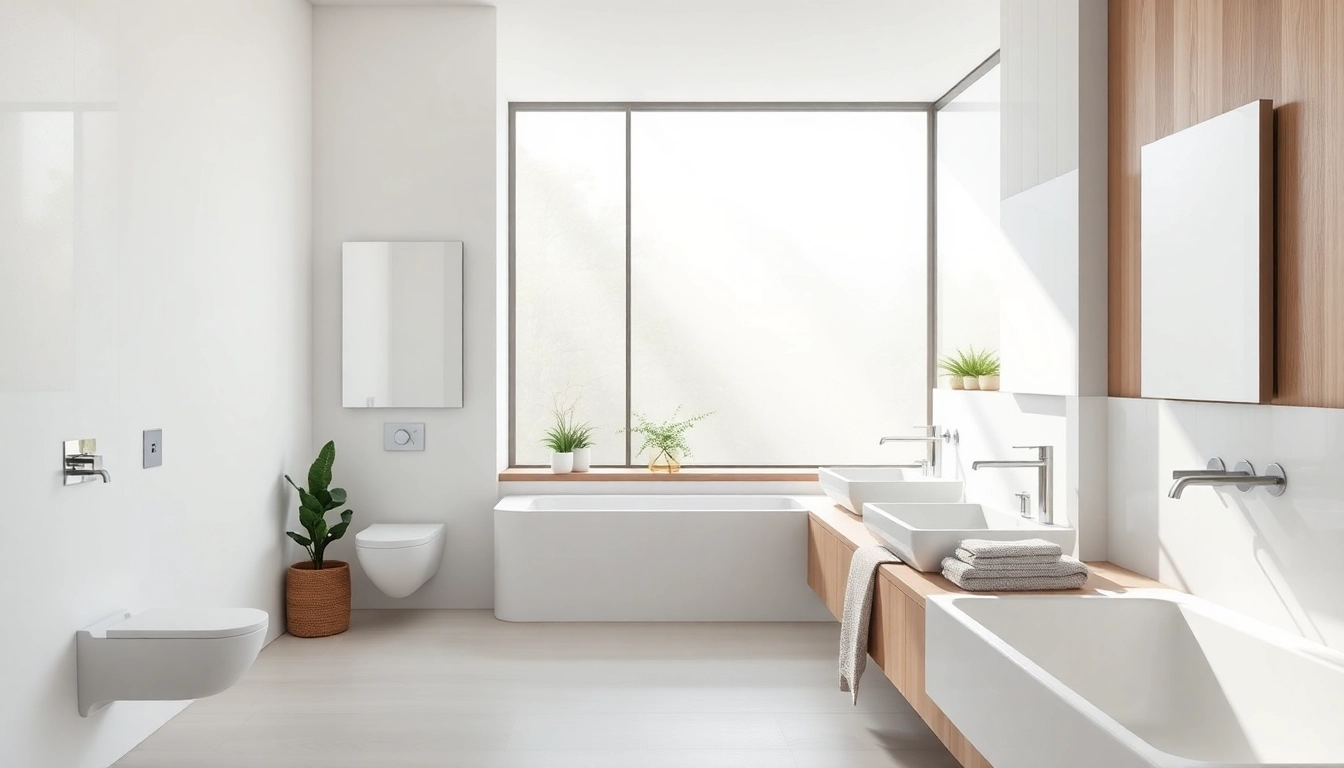
Understanding the Basics of Residential Architecture
What Is Residential Architecture?
Residential architecture is the art and science of designing homes, encompassing everything from individual houses to multi-family units. It is not merely about aesthetics but also considers functionality, the needs of the inhabitants, and how the design integrates with its surroundings. The goal of residential architecture is to create spaces that are livable, practical, and responsive to the dynamics of daily life.
The Importance of Strategic Planning
Strategic planning is integral to ensuring that the residential architecture project aligns with the vision and goals of the homeowner. This phase involves mapping out essential components such as budget constraints, timelines, and design elements. Effective planning avoids common pitfalls, helps to anticipate obstacles, and sets a clear direction for the design team at the onset of a project.
Key Elements to Consider in Your Design
When diving into residential architecture, it’s essential to consider various elements that significantly impact the overall effectiveness of a design. Key factors include:
- Site Location: The geographical aspect shapes the project's layout and orientation.
- Building Materials: Choices influence aesthetics, sustainability, and maintenance.
- Functionality: Spaces must cater to the needs of residents, from room layout to storage solutions.
- Style: The architectural style should align with personal tastes and the character of the neighborhood.
Steps to Start a Residential Architecture Project
Defining Your Vision and Goals
The foundation of any successful residential architecture project is a clear vision. Begin by outlining your desires regarding the look and feel of your home, the number of rooms, and features that hold significance for you and your family. Setting practical goals helps guide the project and serve as benchmarks to measure progress. Furthermore, it's essential to establish a realistic budget that considers both primary construction costs and additional expenses.
Gathering Essential Documentation and Permits
Every residential architecture project will require various forms of documentation and permits. Key items include:
- Land Surveys: These determine property boundaries and inform design decisions.
- Building Permits: Local laws dictate the need for permits that ensure compliance with safety and zoning regulations.
- Environmental Impact Reports: Necessary if your project may affect local ecosystems or wildlife.
Research and engage with your local building authority early on to streamline the permit application process.
Engaging the Right Professionals
Once the groundwork is laid, assembling a skilled team of professionals is crucial for transforming your vision into reality. This team typically includes:
- Architects: They bring your ideas to life through detailed design and technical drawings.
- Contractors: Responsible for executing the construction, contractors translate architectural plans into physical structures.
- Interior Designers: They enhance the functional detailing and aesthetics within the spaces that make up your home.
When selecting professionals, look for experience, a solid portfolio, and good communication skills to ensure collaboration runs smoothly.
Common Challenges Faced During the Process
Budget Constraints and Financial Planning
Staying on budget is one of the most frequent challenges faced during a residential architecture project. Costs can skyrocket due to unforeseen circumstances or miscommunication with contractors. To mitigate this risk, consider allocating 10-15% of your budget for contingencies and maintain open discussions with your architect throughout the process to address potential changes early.
Legal Requirements and Zoning Issues
Navigating legal requirements and zoning issues can be challenging, especially in areas with strict construction laws. Ensure you fully understand local zoning laws, land-use restrictions, and any covenants that may affect your project. Hiring a local architect familiar with these regulations can help to avoid costly delays or redesigns.
Weather and Environmental Factors
Weather can significantly impact construction timelines and project budgets. Unpredictable conditions may require additional safety protocols and materials. Building a timeline that considers seasonal weather patterns and utilizing durable materials designed to withstand local climates can help mitigate these issues.
Best Practices for a Successful Project
Creating a Realistic Timeline
A well-thought-out timeline is vital for the successful execution of your residential architecture project. Develop a schedule that includes milestones for design phases, permit approvals, and construction timelines. Working closely with your architect and contractors to create this timeline allows for realistic expectations and helps to keep the project on track.
Collaborating with Your Architect Effectively
Strong collaboration with your architect is crucial in ensuring that the project reflects your vision while adhering to the practical constraints of design. Regular meetings, providing feedback on designs, and asking questions throughout the process streamline communication and refine outcomes. Utilize collaborative technologies, such as project management software, to keep everyone on the same page.
Utilizing Sustainable Design Approaches
Incorporating sustainable design principles into residential architecture not only benefits the environment but can also yield long-term financial savings through energy efficiency. Consider aspects such as energy-efficient appliances, renewable building materials, and green technology like solar panels. A sustainable approach also enhances your home’s value and appeal in the long run.
Measuring the Success of Your Residential Architecture Project
Post-Completion Evaluation
Once construction is complete, evaluating the overall success of your project involves assessing whether the initial vision and goals were met. This post-completion evaluation can include factors such as overall satisfaction with the space, functionality, and aesthetics. It’s important to document both successes and areas for improvement for future reference.
Gathering Feedback from Household Members
Involving all household members in the evaluation process is key, as their daily experiences will provide valuable insight into the home's functionality. Conduct discussions or surveys to gather feedback about the usability of spaces, room layouts, and any adjustments that may improve life in the residence.
Maintaining and Adjusting the Space Over Time
Residential architecture is not a static process; spaces evolve over time. Monitoring the effectiveness of design and making adjustments as needed is an essential aspect of home ownership. Regular maintenance, seasonal adjustments, and re-evaluating the needs of the household ensure that the home continues to serve its purpose effectively.
Frequently Asked Questions
What is the first step in a residential architecture project?
Start by defining your vision, including style, size, and budget to guide the project.
How long does a residential architecture project usually take?
The duration can vary, but most projects take several months to a year to complete, depending on complexity.
What permits do I need for residential architecture?
Permits vary by location but commonly include building, zoning, and environmental clearances.
Can I make changes to my design once the project starts?
Yes, but significant changes during construction can affect the budget, timeline, and overall project scope.
How can I ensure my project stays on budget?
Set a clear budget upfront, work closely with your architect, and plan for unexpected costs along the way.
To transition your ideas into a practical and beautiful reality, it might be time to Start a residential architecture project. With the right strategic approach, collaboration, and a clear vision, your dream home is within reach.