Getting Started with Gardening
Gardening can be a rewarding and fulfilling activity that brings you closer to nature while providing a variety of benefits for your physical and mental well-being. Whether you are looking to grow your own vegetables, create a flower paradise, or simply need an outdoor hobby, understanding the fundamentals of Gardening is essential. In this comprehensive guide, we will explore the critical aspects of starting and maintaining a garden, along with practical tips to ensure your success.
Understanding Your Garden Space
The first step in any successful gardening endeavor is to understand the specifics of your garden space. Factors such as available sunlight, moisture levels, and soil type play pivotal roles in determining which plants will thrive. Begin by observing the light patterns in your garden throughout the day. Most plants require at least 6-8 hours of sunlight, so choosing a spot that receives adequate sunlight is crucial.
Selecting the Right Plants for Your Area
Selecting the right plants entails doing some research on which species are best suited for your climate and soil type. Native plants generally require less water and maintenance, making them ideal choices for beginner gardeners. Check local gardening forums or resources to find the best plants for your USDA hardiness zone.
Essential Gardening Tools Every Beginner Needs
Investing in the right tools not only makes Gardening easier but also enhances productivity. Essential tools include:
- Trowel: Useful for digging small holes and planting seedlings.
- Hand pruner: Important for trimming and shaping plants.
- Gloves: Protect your hands from thorns and dirt.
- Watering can or hose: Ensures your plants receive adequate moisture.
- Spade: Great for turning the soil over and creating new planting areas.
Soil Preparation and Maintenance
Analyzing Soil Types for Optimal Growth
Healthy plants start with healthy soil. Understanding your soil type is vital. Soil can generally be categorized into three types: sandy, clay, and loam. Sandy soil drains quickly, while clay retains moisture. Loam, which is a mix of both, usually provides the best growing environment. Conduct a soil test to assess pH and nutrient levels, which can help inform your amendments and fertility practices.
Fertilization Techniques for Healthy Plants
Fertilization is essential for providing plants with the nutrients they require to thrive. Organic fertilizers, such as compost or well-rotted manure, enhance soil structure and nutrient content. For specific nutrient deficiencies, consider adding nitrogen, phosphorus, or potassium fertilizers. Always follow application guidelines to avoid over-fertilization, which can harm plants and the environment.
Watering Practices: How Much is Enough?
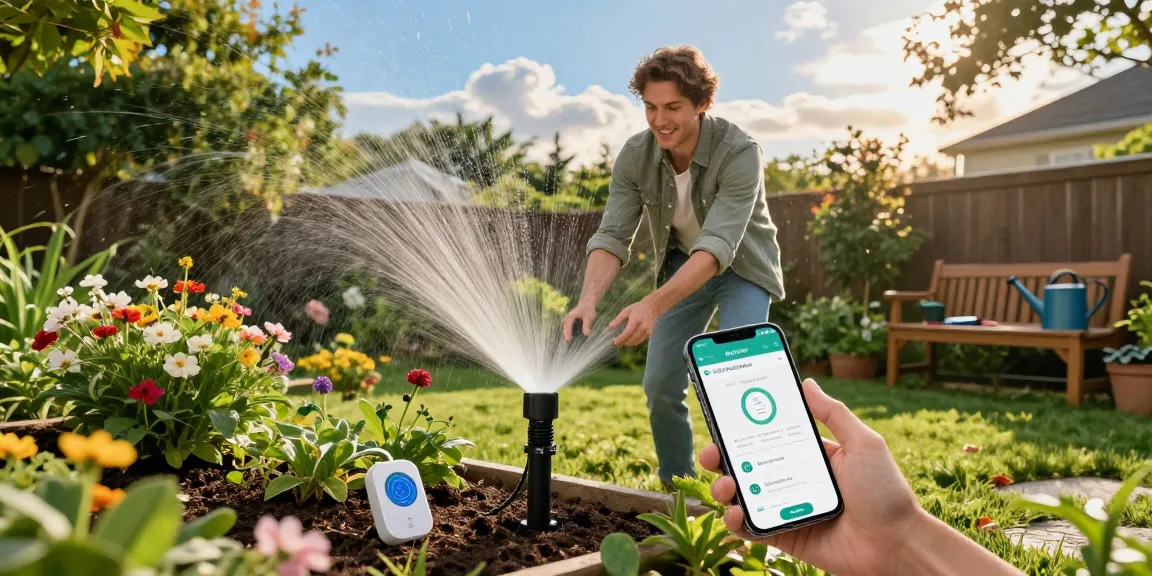
Watering is a critical aspect of plant care, yet many beginners struggle to find the right balance. Overwatering can lead to root rot, while underwatering will stress plants. A general rule of thumb is to water deeply and less frequently, allowing the soil to dry out slightly between watering sessions. Invest in a moisture meter to accurately gauge soil moisture levels.
Planting Practices for Success
When and How to Plant Different Vegetables
Timing is essential when it comes to planting. Different vegetable varieties have distinct planting seasons, such as cool-season crops that thrive in spring and fall, and warm-season varieties that are planted after the last frost. For proper planting, follow seed packet instructions concerning depth and spacing to ensure optimal growth.
Spacing and Layout for Maximum Yield
Effective spacing between plants allows for proper air circulation and access to nutrients and light. Intensive planting techniques, such as square foot gardening, maximize yield in smaller spaces by increasing plant diversity. Tailor your garden layout to accommodate plant height and light requirements.
Companion Planting for Disease Prevention
Companion planting can greatly enhance the health of your garden. Certain plants work well together, providing natural pest deterrents and improving growth rates. For example, planting marigolds near vegetables can repel harmful nematodes, while basil planted with tomatoes enhances flavor and growth.
Maintaining Your Garden
Pest Control Methods without Chemicals
Pest control is a significant concern for any gardener. Consider employing natural solutions, such as introducing beneficial insects like ladybugs and praying mantises, or using neem oil as an organic pesticide. Regularly inspect your plants to catch pest infestations early, and remove affected leaves promptly.
Pruning Techniques for Growth Enhancement
Pruning helps stimulate growth and maintain plant health. Remove dead or diseased branches to encourage new growth and airflow, which can reduce the risk of fungal diseases. Each plant has its specific pruning needs, so it's essential to understand the best practices for the species you are cultivating.
Seasonal Maintenance Tips for Year-Round Gardening
Year-round garden maintenance ensures plants thrive through changing seasons. Preparing your garden in the fall can improve soil health for the next growing season. Likewise, winterizing your garden by mulching and protecting tender plants can lead to greater success come spring.
Harvesting and Enjoying the Fruits of Your Labor
When to Harvest Vegetables for Peak Flavor
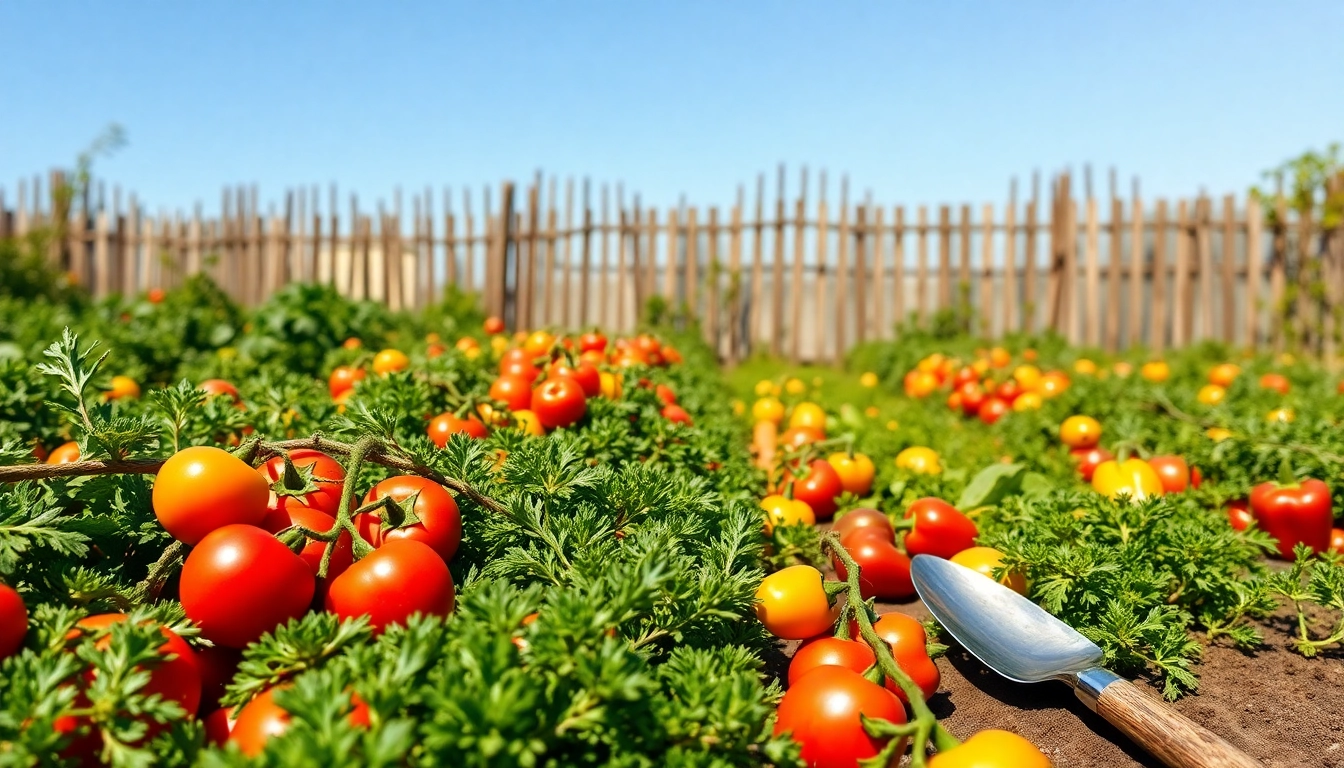
Timing your harvest is crucial for flavor and texture. Vegetables should typically be harvested at their peak ripeness for the best taste. Many vegetables, such as tomatoes and zucchini, can be picked before they are fully ripe to encourage further production.
Storing and Preserving Your Homegrown Produce
Once harvested, proper storage techniques are vital for prolonging freshness. Many vegetables can be stored in a cool, dark place, while others may require refrigeration. Consider canning, freezing, or drying surplus produce to enjoy your garden's bounty year-round.
Sharing Your Gardening Success with Others
Gardening is often more enjoyable when shared. Consider organizing a neighborhood harvest event or giving produce to friends and family. Not only does sharing enhance your gardening experience, but it also encourages community relationships through shared food and knowledge.
Embarking on a gardening journey can seem daunting, but with knowledge and dedication, you can cultivate a thriving green space. As you learn and grow, remember to embrace the unique process of Gardening that allows for creativity, exploration, and connection with nature. Whether you grow a few pots on your balcony or a sprawling vegetable garden in your backyard, the rewards of patience and care are immeasurable.
Ready to start your gardening adventure? Discover local resources and communities that can support you on your journey through Gardening. Happy planting!