Understanding Electrical Maintenance
What is Electrical Maintenance?
Electrical maintenance refers to the systematic process of ensuring that electrical systems run efficiently and are kept free of faults. This encompasses a range of practices including routine inspections, repairs, upgrades, and replacements of electrical components to enhance safety and functionality. Regular electrical maintenance not only prolongs the lifespan of equipment but also mitigates the risks associated with electrical failures, ensuring a safer environment for both residential and commercial properties.
The Importance of Regular Maintenance
Regular electrical maintenance is crucial for multiple reasons. Firstly, it prevents downtime caused by unexpected failures, which can be costly for businesses and inconvenient for homeowners. Secondly, it enhances energy efficiency, as well-maintained systems consume less power. Thirdly, adherence to electrical codes and regulations through consistent maintenance minimizes the risk of legal issues related to code violations. Particularly, in heavy electrical use settings, proactive maintenance is critical to prevent occupational hazards.
Types of Electrical Maintenance Services
The landscape of electrical maintenance services can be categorized into several key types:
- Preventive Maintenance: Scheduled inspections and servicing designed to prevent equipment failures.
- Predictive Maintenance: Using data-driven insights and condition monitoring to predict system failures before they occur.
- Corrective Maintenance: Repairs and replacements conducted post-failure to restore functionality.
- Emergency Maintenance: Immediate response services for critical failures to restore operations without delay.
Planning Your Electrical Maintenance Strategy
Creating a Maintenance Schedule
An effective electrical maintenance strategy hinges on a well-thought-out maintenance schedule. This involves assessing the operational needs of the electrical systems and developing a timeline that incorporates regular inspections, testing, and servicing tasks at intervals that reflect the system's usage patterns and complexity. Frequency can range from weekly checks for high-utilization environments to annual audits for less critical systems.
Documenting Electrical Systems
Proper documentation of electrical systems is vital for maintaining safety standards and operational efficiency. This includes maintaining accurate records of schematics, maintenance history, compliance with codes, and any modifications or upgrades. Digital documentation systems can enhance access to this information, ensuring that all stakeholders are informed and can track system performance over time.
Identifying Key Performance Indicators
Key Performance Indicators (KPIs) help gauge the effectiveness of electrical maintenance strategies. Common KPIs include equipment downtime, energy consumption levels, frequency of repairs, and compliance rates with safety inspections. By regularly reviewing these indicators, organizations can assess the impact of their maintenance strategies and make necessary adjustments to improve performance and efficiency.
Safety Measures in Electrical Maintenance
Personal Protective Equipment (PPE)
Safety is paramount in electrical maintenance. Personal Protective Equipment (PPE) must be used to provide workers with essential protection against electrical hazards. This includes insulated gloves, hard hats, protective eyewear, and flame-resistant clothing. Training workers on proper PPE usage can drastically reduce the risk of injury during maintenance tasks.
Common Safety Hazards to Avoid
There are several common safety hazards associated with electrical maintenance. These include shocks from live wires, arc flashes, and falls from elevated work areas. To mitigate these risks, workers should be trained to recognize potential hazards and adhere strictly to safety protocols, including de-energizing systems before maintenance and using proper tools and techniques.
Emergency Response Procedures
In the event of an electrical accident, having clear emergency response procedures is essential. Methods for reporting incidents, evacuation protocols, and immediate first-aid actions should be established and frequently reviewed. Staff training on these procedures helps ensure prompt and effective responses that can minimize injury and property damage.
Conducting Electrical Maintenance Inspections
Visual Inspection Techniques
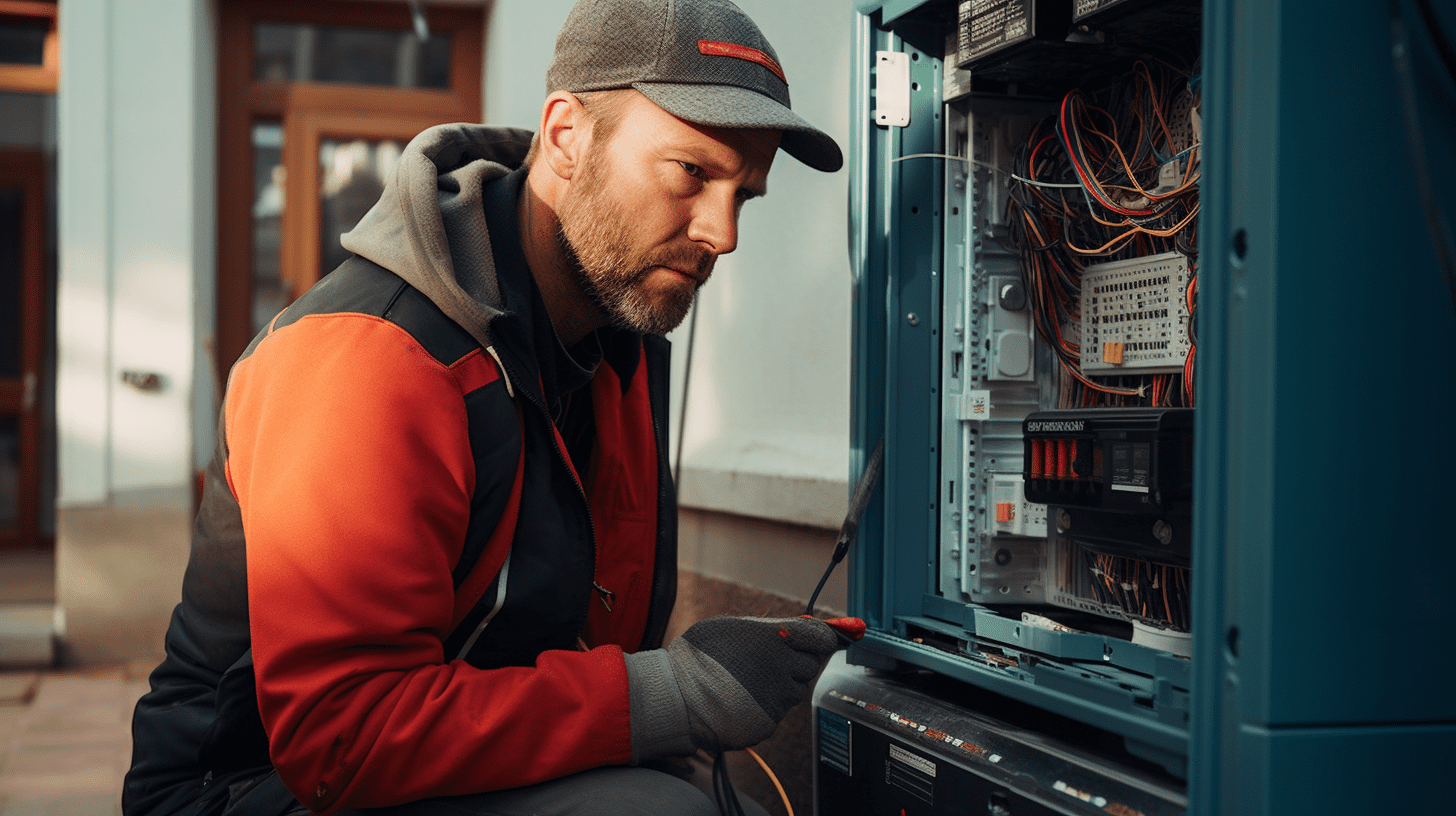
Visual inspections serve as the first line of defense in identifying potential electrical problems. Key indicators to look for include signs of wear, discoloration, corrosion, and any unusual noises from electrical systems. Regular visual checks help identify issues before they escalate into significant failures.
Using Testing Equipment Effectively
Effective use of testing equipment is critical during electrical maintenance inspections. Tools like multimeters, insulation resistance testers, and circuit analyzers allow technicians to measure and assess the integrity of electrical systems accurately. Proper training is essential to ensure that maintenance staff can use these tools efficiently and interpret the results correctly.
Interpreting Inspection Results
Interpreting the results from inspections is crucial for making informed decisions regarding maintenance actions. Technicians need to be skilled in analyzing data and identifying trends indicating potential failures or performance degradation. This involves not only understanding the readings from testing equipment but also correlating them with operational history and environmental factors.
Improving Electrical System Performance
Implementing Upgrades and Enhancements
Electrical systems often benefit from modern upgrades and enhancements that improve their efficiency and safety. This can include replacing outdated components with energy-efficient alternatives, installing advanced control systems, and integrating renewable energy sources. Evaluating the return on investment for such upgrades can aid in budgeting decisions for future maintenance strategies.
Training Staff on Electrical Safety
Regular training on electrical safety is imperative for ensuring compliance and reducing risks. This training should cover both theoretical knowledge and practical skills, emphasizing the importance of safe work practices and proper use of equipment. Regularly refreshed training programs help instill a culture of safety within organizations.
Regular Maintenance vs. Reactive Maintenance
Understanding the distinction between regular maintenance and reactive maintenance is essential for effective electrical system management. Regular maintenance is proactive, focusing on preventing issues before they occur through scheduled inspections and repairs. In contrast, reactive maintenance occurs in response to equipment failures and is often more costly due to the urgent nature of repairs and potential downtime. A balanced approach that prioritizes regular maintenance can enhance operational efficiency and minimize disruptions.
Frequently Asked Questions
What is the best frequency for electrical maintenance?
The best frequency for electrical maintenance varies based on system usage. Generally, critical systems should be inspected quarterly, while less critical setups may require annual checks. Tailored schedules ensure the best performance.
How can I identify electrical hazards in my home?
Common signs of electrical hazards at home include flickering lights, tripped breakers, or unusual odors near outlets. Regular inspections by qualified professionals can also help identify hidden risks.
What does a typical electrical inspection include?
A typical electrical inspection includes a review of wiring, circuit breakers, outlets, and grounding systems. Technicians use both visual assessments and testing tools to detect potential issues.
Is there a difference between preventive and predictive maintenance?
Yes, preventive maintenance is scheduled and based on time intervals, whereas predictive maintenance uses monitoring technologies to assess the condition of equipment and predict failures before they occur.
What should I do if I suspect an electrical problem?
If you suspect an electrical problem, avoid using affected systems and contact a licensed electrician to assess and address the issue to ensure safety and compliance with regulations.