Getting Started with Gardening
Embarking on your Gardening journey can be an enriching experience that connects you to nature while beautifying your environment. Whether you’re a novice looking to develop a hobby or someone aiming to create a productive vegetable plot, understanding the fundamentals is key to establishing a thriving garden.
Gathering Your Supplies
Before planting your first seed, it’s essential to gather the appropriate supplies. This will typically include:
- Tools: Basic gardening tools like a trowel, pruning shears, a watering can, and gloves are vital. Depending on your garden’s complexity, you might also consider a shovel, a hoe, or a rake.
- Soil and Amendments: Quality potting soil or garden soil is essential. You may need to amend your soil based on its type. Compost, peat moss, or fertilizers can enhance its fertility.
- Seeds or Plants: Choose seeds or seedlings that are appropriate for your climate zone and the season. Local nurseries can offer valuable insights into what thrives in your area.
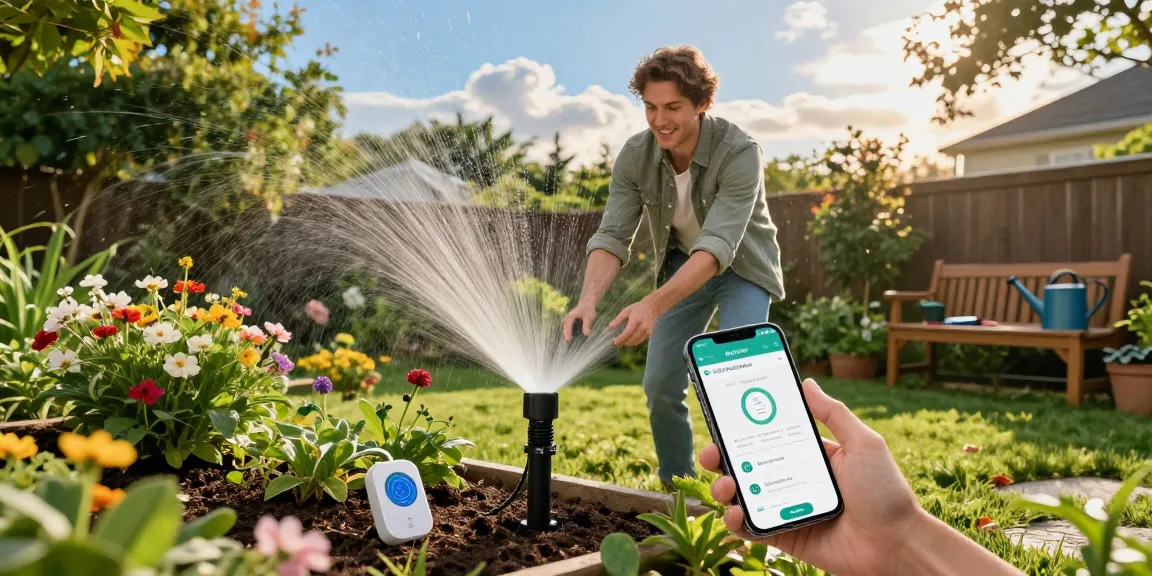
- Watering Equipment: A reliable watering system, whether it’s a hose, watering can, or drip system, is necessary for consistent moisture.
- Mulch: Organic or inorganic mulch can help retain moisture and suppress weeds once your plants are established.
Understanding Your Soil Type
Soil is the foundation of any garden, influencing water retention, nutrient availability, and plant health. There are three primary soil types:
- Sandy Soil: Drains quickly but may not hold nutrients well. Ideal for plants that dislike "wet feet".
- Clay Soil: Retains water and is nutrient-rich but can become compacted, making it difficult for roots to grow.
- Silt Soil: Generally fertile and retains moisture well, making it suitable for various plants.
Conduct a soil test to determine pH and nutrient levels. This will help guide your amendments for optimal plant growth.
Choosing the Right Plants
Selecting plants can be both exciting and overwhelming due to the vast options available. Begin by considering:
- Climate: Know your hardiness zone and choose plants that thrive in your climate.
- Sunlight: Assess your garden’s exposure to sunlight, since some plants require full sun while others prefer partial shade.
- Purpose: Decide whether you want ornamental plants for aesthetics, vegetables for consumption, or a mix of both.
Research companion planting, which enhances growth by placing plants together that support each other’s development.
Basic Gardening Techniques
Planting and Watering Properly
Proper planting techniques can drastically affect plant health and productivity. Begin with these guidelines:
- Spacing: Ensure adequate spacing between seeds/seedlings. Crowded plants can lead to competition for resources.
- Depth: Follow instructions on seed packets for proper planting depth; planting too deep can hinder germination.
- Watering: Water thoroughly after planting. The soil should be moist but not soggy. Establish a watering routine, remembering that plants generally require more water during their initial growth phase.
Managing Weeds and Pests
Occasional pest invasions and weed growth can threaten your garden's health. Utilize these methods to manage them:
- Mulching: Apply a layer of organic mulch around your plants to suppress weeds while retaining moisture.
- Hand Weeding: Regularly check for weeds and remove them manually before they go to seed.
- Natural Pesticides: Look for organic solutions like neem oil or diatomaceous earth to deter pests without harming beneficial insects.
- Encouraging Pollinators: Plant a diversity of flowers to attract pollinators which can also help with pest management.
Fertilizing for Healthy Growth
Fertilization is crucial for providing essential nutrients. Consider the following:
- Types of Fertilizers: Use either organic (compost, manure) or inorganic (chemical) fertilizers. Organic fertilizers release nutrients gradually and improve soil structure.
- Application Timing: Fertilize during the active growing season, typically in spring and summer. Pay attention to the specific needs of your plants.
- Soil Testing: Regular soil tests can inform you about nutrient deficiencies and pH levels, helping you make informed fertilization choices.
Advanced Gardening Strategies
Planning a Seasonal Garden
Seasonal gardening allows for continuous harvest and beauty year-round. Consider these strategic steps:
- Crop Rotation: Change the location of certain crops each year to prevent soil depletion and reduce pests/diseases specific to certain plants.
- Succession Planting: Stagger your planting times to ensure that crops mature at different times, allowing for ongoing harvest.
- Seasonal Considerations: Understand the seasonal climate patterns and plant accordingly—early spring crops, summer vegetables, and fall harvests.
Implementing Companion Planting
Companion planting is a method that utilizes the natural relationships between plants to create a more balanced ecosystem:
- Complementary Growth: Some plants can enhance nutrients or repel pests when planted together. For example, basil can enhance the flavor of tomatoes while repelling certain insects.
- Maintaining Biodiversity: Incorporating a variety of plants can reduce the risk of pests and diseases and promote pollinator activity.
Using Organic Gardening Methods
Organic gardening focuses on sustainability and environmental stewardship. Key principles include:
- Natural Pest Management: Utilize beneficial insects and organic pest control methods instead of chemical pesticides.
- Soil Health: Prioritize composting, cover cropping, and organic amendments to enrich soil naturally.
- Water Conservation: Implement drip irrigation systems and mulch to conserve moisture and reduce water usage.
Designing Your Perfect Garden
Creating Layouts and Themes
Designing your garden layout thoughtfully can offer both functionality and visual appeal:
- Garden Types: Decide on garden styles, whether it’s a vegetable patch, flower garden, or a mixed-use space.
- Dimensions: Consider the area available and the scale of plants; taller plants should be on the north side to avoid shading shorter ones.
- Pathways: Incorporate paths to make maintenance easier and to allow for proper air circulation between plants.
Incorporating Hardscape Features
Hardscaping involves the use of solid structures within your garden. Integrate hardscape elements like:
- Patios and Walkways: Create well-defined areas for seating and paths.
- Raised Beds: Enhance accessibility and soil drainage while providing visual interest.
- Water Features: Consider adding ponds or fountains for aesthetic appeal and moisture retention.
Adding Color and Texture
A garden should be a multi-sensory experience. To achieve this, pay attention to:
- Plant Selection: Choose plants with varied bloom times, textures, and foliage colors to create visual intrigue throughout the seasons.
- Seasonal Interest: Incorporate ‘evergreens’ or plants with interesting bark for winter interest.
Measuring Success in Your Gardening Journey
Keeping a Gardening Journal
Documenting your gardening journey can be incredibly beneficial. Consider the following:
- Planting Dates: Record when you planted each crop to evaluate harvest times.
- Pest Incidence: Document pest invasions and treatments applied to identify successful strategies over time.
- Growth Observations: Note growth patterns and any changes in plant health with varying approaches.
Evaluating Plant Health and Yield
Successful gardening is often measured by plant health and yield. Track key metrics, such as:
- Growth Rates: Compare the time it takes for plants to reach maturity against previous seasons.
- Harvest Amounts: Measure yields to determine which plants performed best and inform future choices.
Adapting Strategies for Future Growth
Learning and adapting are essential to successful gardening over the long term. Focus on:
- Continuous Improvement: Assess what worked and what didn’t and adjust your methods accordingly.
- Experimentation: Don’t hesitate to try new plants, techniques, or layouts to find what suits your gardening style best.
Gardening is not only a rewarding hobby but also a pathway to better understanding nature and its rhythms. By following these guidelines, you will be well on your way to cultivating your green thumb. Enjoy your journey into the world of gardening!