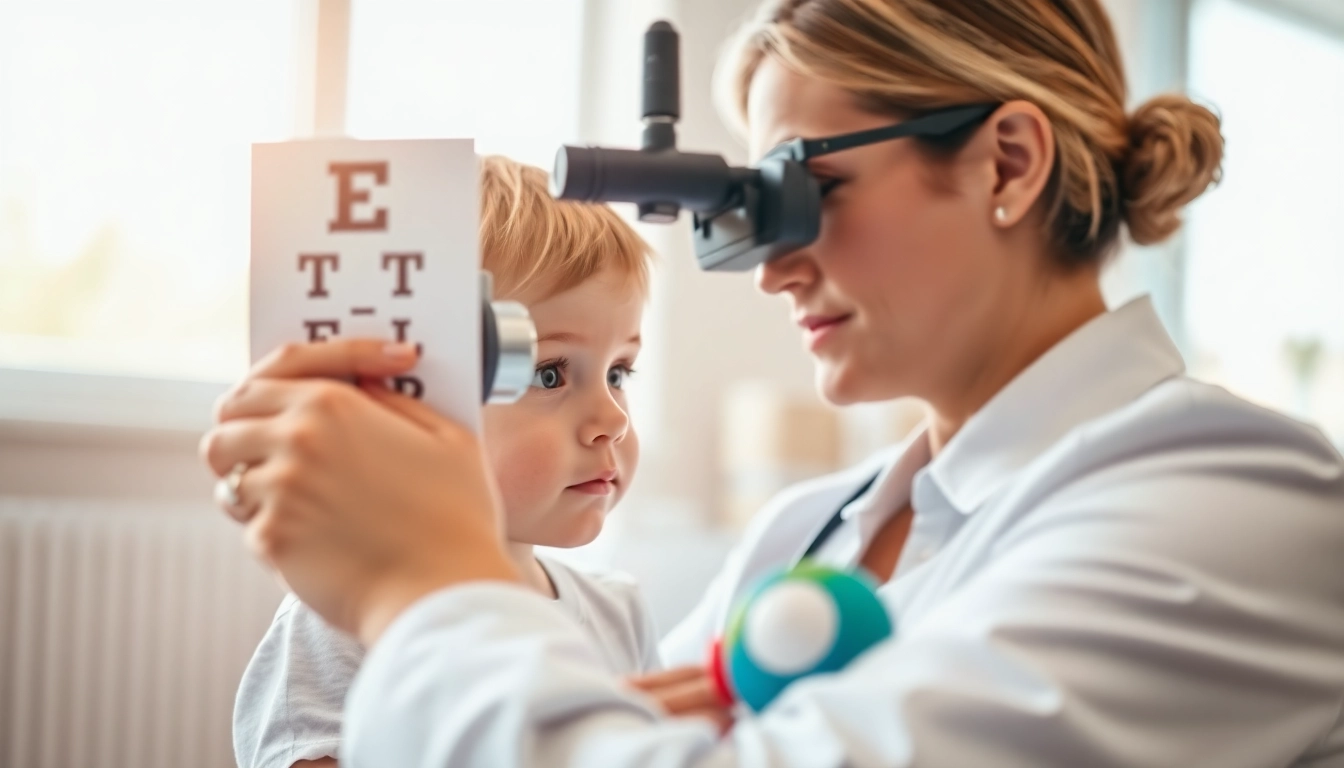
Understanding the Importance of Our Children's Vision
Vision is a critical pillar of childhood development, impacting nearly every aspect from learning to social interaction. Recognizing the significance of eye health within our society is vital. Through initiatives such as Our Children's Vision, we can emphasize the necessity of effective eye care for children. This article aims to shed light on the importance of children's vision, the challenges they face, and proactive measures that can be implemented to ensure a healthy future for our youth.
The Impact of Vision on Child Development
Children rely heavily on their sense of sight to navigate the world. Vision affects their ability to learn, play, and interact with others. Poor vision can lead to significant developmental delays and hinder academic performance. Studies indicate that children with untreated vision problems often struggle with reading, writing, and even participating in physical activities, resulting in long-lasting consequences if unaddressed.
Furthermore, vision handicaps can diminish a child's self-esteem and social skills as they may avoid activities where their limitations become apparent. Comprehensive eye care is not merely a medical necessity; it is foundational to ensuring positive life outcomes for children.
Common Vision Issues Faced by Children
There are several common vision problems that children might encounter:
- Myopia (Nearsightedness): This condition affects a child's ability to see distant objects clearly while close objects remain in focus.
- Hyperopia (Farsightedness): In contrast to myopia, children with hyperopia struggle to focus on nearby objects.
- Astigmatism: This optical defect causes blurred or distorted vision at any distance due to an irregularly shaped cornea or lens.
- Amblyopia (Lazy Eye): This occurs when one eye does not develop properly, leading to poorer vision in that eye, even when corrected with glasses.
- Strabismus (Crossed Eyes): This condition affects the alignment of the eyes and can result in double vision or issues with depth perception.
Early detection is crucial, as these conditions can often be effectively treated if caught in their infancy.
The Role of Parents in Vision Health
Parents play a pivotal role in maintaining their children's vision health. Vigilance in recognizing potential issues and encouraging regular eye examinations from a young age is vital. Here are steps parents can take:
- Be Watchful: Look for signs such as squinting, difficulties with reading, or complaints of headaches.
- Schedule Regular Eye Exams: Comprehensive eye exams should be conducted at least every two years, or more often if visual problems are suspected.
- Encourage Healthy Habits: Promote outdoor activities and limit screen time. Children should spend time outdoors to reduce the risk of developing myopia.
Effective Screening for Our Children's Vision
Screening for visual impairments is essential in ensuring children's vision remains optimal. Properly identifying vision issues early provides the best chance for effective interventions.
Identifying Signs of Vision Problems Early
Recognizing the early signs of vision problems is essential in paving the way for timely referrals. Here are a few indicators that parents and caregivers should be aware of:
- Consistent squinting or tilting the head while trying to see
- Complaints of blurred vision or difficulty reading
- Frequent headaches, particularly after reading or using digital devices
- Poor hand-eye coordination or difficulty catching a ball
Your child’s experiences can vary, so remain attentive to changes in their behavior that may signal vision issues.
Recommended Screening Practices for Different Ages
Guidelines suggest specific times to conduct vision screenings based on age groups:
- Infants: At birth and again at 6-12 months.
- Preschoolers: Between ages 3 to 5, as they start school.
- School-Aged Children: Annually through elementary school.
While these are guidelines, individual circumstances may necessitate more frequent screenings based on family history or observed issues.
Health Professional Insights on Eye Exams
Health professionals emphasize the importance of comprehensive eye exams conducted by an optometrist or ophthalmologist. Such exams include evaluating visual acuity, eye coordination, and overall eye health. Optometrists are equipped to detect early warning signs for conditions that may not present obvious symptoms initially. Engaging with health professionals actively can ensure your child’s vision is monitored and managed effectively.
Comprehensive Eye Care Solutions for Our Children's Vision
Access to comprehensive eye care solutions is crucial for the well-being of our children. Establishing a robust framework for pediatric eye care ensures that vision health interventions are effective and accessible.
Accessing Eye Care Services in Your Community
Identifying local resources for eye care can be pivotal in supporting children's vision health. Parents should seek information about local optometrists, schools with screening programs, and community health services that add value to eye care accessibility. Early intervention programs are vital; inquire about local initiatives aimed at increasing access to eye care services.
Technological Advances in Pediatric Eye Care
Recent advancements in technology have considerably improved the landscape of pediatric eye care. Digital tools and AI-driven devices allow for more accurate diagnostics, while telehealth services enhance accessibility for families in remote areas. Technologies like adaptive imaging and eye-tracking systems can provide detailed assessments and early detection of potential vision problems.
Building Partnerships with Local Organizations
Community engagement through partnerships with local organizations can amplify the efforts in child eye health awareness. Schools, pediatric clinics, and community health initiatives can collaborate to host vision screening events and educational workshops, maximizing outreach and accessibility. Creating a network that emphasizes the importance of children's vision will foster a united approach to tackling these challenges.
Awareness and Advocacy for Our Children's Vision
Awareness campaigns are vital for advocating for children's vision and elevating the discussion around eye health priorities. Parents, educators, and healthcare professionals must work together to promote awareness and push for necessary changes.
The Importance of Community Engagement
Community engagement is fundamental to successful vision health initiatives. By educating families about the importance of eye care and the impact of untreated vision issues, communities can encourage preventive behaviors. Local health fairs, school presentations, and workshops can considerably extend reach and educate families about necessary actions to support their children's vision health.
Creating Campaigns for Vision Health Education
Constructing targeted campaigns aimed at educating parents and teachers can assist in raising awareness. Materials such as brochures, social media content, and interactive workshops can introduce essential information regarding signs of vision problems and the critical need for regular screenings. Collaborating with local health authorities can also strengthen the reach of these educational efforts.
How to Support Local Eye Care Initiatives
Supporting local eye care initiatives adds to the sustainability of vision health programs. This may include volunteering for events, donating to programs that facilitate eye screenings, or simply providing community members with information about available resources. A community that champions eye health will promote a culture that values proactive measures for children's vision.
Measuring Success in Our Children's Vision Initiatives
To understand the effectiveness of initiatives related to children's vision, it's imperative to establish performance metrics and frameworks that track progress. Evaluating the success of these efforts can guide improvements and optimize strategies for future programs.
Performance Metrics to Track Eye Health Improvements
Effective metrics can include the number of children screened, referral rates to specialists, the percentage of children identified with vision problems, and the follow-through rates for treatments. Collecting data on these factors over time will help illustrate trends and inform community strategies for addressing potential issues more effectively.
Case Studies Illustrating Positive Outcomes
Documenting case studies where children received timely interventions can further emphasize the importance of the initiatives in place. These real-life examples can inspire others to take action and can be used in advocacy to secure funding and support for ongoing programs focused on children's vision health.
Future Goals for Enhancing Children's Eye Care
Setting future goals for enhancing children's eye care is crucial. Stakeholders in pediatric health can collaborate on objectives such as increasing the accessibility of screenings, reducing the incidence of common vision problems through education, and implementing community-wide eye health initiatives. These proactive measures can ultimately lead to a decrease in undiagnosed and untreated vision issues among children, fostering a healthier future generation.