Understanding Collaborative Healthcare Models
Defining Collaboration in Healthcare
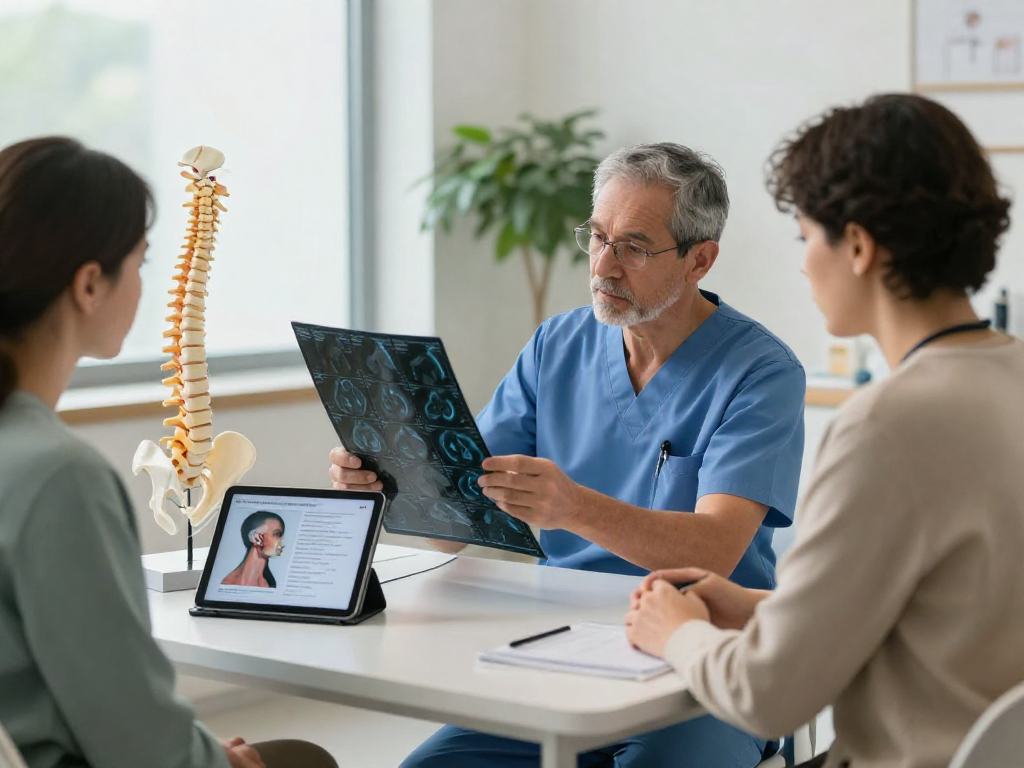
In the ever-evolving landscape of healthcare, collaboration has emerged as a cornerstone of effective practice. Collaborative healthcare is defined as the process where multiple healthcare professionals from various disciplines come together to deliver patient-centered care. This synergy is not merely about co-existing within a system; it's about integrating efforts and aligning goals for the greater good of patient health outcomes. In this context, collaboration extends beyond traditional roles, embracing a more holistic approach to patient care, where each member of the team contributes their expertise to ensure comprehensive treatment plans.
Benefits of Collaborative Practices
The advantages of adopting collaborative practices in healthcare are profound. Studies have shown that when healthcare professionals work together, patient satisfaction improves significantly. This is largely because patients experience more personalized care, as interdisciplinary teams can address various aspects of health – physical, psychological, and social – all in one cohesive plan. Moreover, collaborative practices lead to enhanced communication among team members and reduce the chances of misdiagnosis or redundant tests.
In addition, collaborative healthcare models can significantly reduce costs by streamlining processes and avoiding unnecessary procedures. Effective teamwork fosters an environment in which healthcare providers can share knowledge and resources, ultimately elevating the standard of care provided. This collaborative approach can be seen in various settings, from hospitals to outpatient clinics, and it emphasizes the importance of cohesive teamwork in achieving positive patient outcomes.
Challenges in Implementing Collaboration
While the benefits of collaboration are clear, there are also significant challenges that healthcare organizations face when implementing collaborative models. One of the primary obstacles is the existing hierarchical structures within healthcare facilities. Traditional roles can create silos, where professionals may hesitate to share information or challenge decisions made by others in higher positions.
Additionally, time constraints can hinder collaborative efforts. Healthcare providers often work under immense pressure to see patients, resulting in limited opportunities for team discussions or joint decision-making. There's also the challenge of varying communication styles and practices among different disciplines, which can lead to misunderstandings or conflict.
Key Components of Effective Collaboration
Interdisciplinary Team Dynamics
At the heart of effective collaboration in healthcare lies the concept of interdisciplinary team dynamics. Successful teams require diverse expertise, fostering an environment where each member's contributions are valued. Understanding team roles is critical; each clinician—be it a physician, nurse, therapist, or pharmacist—brings unique skills to the table.
Creating an environment that encourages mutual respect and open dialogue can significantly enhance team performance. Regular team meetings and debriefings help to align goals, share insights, and address any concerns as they arise. Moreover, embracing the strengths and weaknesses of each team member can lead to better coordinated care and ultimately improve patient outcomes.
Effective Communication Strategies
Effective communication is vital for successful collaboration in healthcare settings. It involves not only clear verbal communication but also active listening and the implementation of shared communication tools. Utilizing standardized communication frameworks, like SBAR (Situation, Background, Assessment, Recommendation), can facilitate smoother information exchange among team members.
In addition, leveraging technology such as electronic health records (EHRs) can further enhance communication. EHR systems allow healthcare providers to access real-time patient data, facilitating informed discussions. Training team members on these communication tools is essential to ensure everyone is proficient and confident in their use, thus minimizing the potential for errors.
Utilizing Technology for Collaboration
The integration of technology into collaborative healthcare practices can't be overstated. Telehealth solutions, secure messaging systems, and collaborative software enable healthcare professionals to connect seamlessly, regardless of their physical location. This is particularly crucial in times of crises, such as a pandemic, where face-to-face consultations may not be feasible.
Moreover, analytic tools can help teams assess the effectiveness of collaborative efforts and adjust strategies accordingly. By tracking patient outcomes, care efficiency, and team dynamics through data analytics, healthcare organizations can fine-tune their collaborative practices to ensure they are as effective as possible. This leads to improved patient care and satisfaction.
Best Practices for Successful Collaboration
Establishing Clear Goals and Roles
For collaboration to be successful, establishing clear goals and roles is paramount. Teams should take the time to define their objectives and understand each member's responsibilities. This clarity not only helps in achieving the desired patient outcomes but also ensures accountability among team members.
Organizing initial meetings to discuss and align on these goals is highly beneficial. During this time, team members should express their expectations and any concerns they might have regarding their roles. This can pave the way for a shared vision that drives the entire team's efforts in a unified direction.
Fostering a Culture of Trust
Trust is often the cornerstone of effective collaboration. Without it, open communication and teamwork suffer. Leaders within healthcare organizations should work intentionally to create a culture of trust by promoting transparency and acknowledging team members’ contributions. Regular feedback sessions can also foster this environment, allowing team members to express their thoughts and experiences candidly.
Encouraging informal interactions, such as team-building activities, can strengthen relationships beyond professional duties, forging a more cohesive unit that collaborates effectively under pressure.
Continual Training and Development
Healthcare is a rapidly evolving field that requires ongoing education and skills development. Providing continual training for healthcare professionals not only enhances individual knowledge but also strengthens team collaboration. Training sessions focusing on collaborative practices, communication, and emerging technologies can empower healthcare providers to work more effectively as a team.
Investment in professional development can also boost morale and promote retention, leading to more stable and effective healthcare teams over time. Encouraging staff to pursue additional certifications or specialized training can lead to enhanced competencies that are beneficial for collaborative efforts across disciplines.
Measuring Collaborative Effectiveness
Key Performance Indicators (KPIs)
Measuring the effectiveness of collaborative healthcare practices is crucial for understanding their impact on patient care and team dynamics. Key Performance Indicators (KPIs) provide quantifiable metrics that organizations can utilize to gauge success. Common KPIs in collaborative healthcare may include patient satisfaction scores, readmission rates, and the frequency of inter-professional meetings.
Moreover, tracking outcome-based metrics, such as the number of adverse events, and patient recovery times can shed light on the real-world effects of collaborative practices. Organizations should ensure that KPIs are reviewed regularly, allowing for data-driven approaches to improvement.
Feedback and Evaluation Methods
Collecting feedback from team members and patients alike is essential to evaluate collaborative effectiveness. Regular anonymous surveys can provide insights into team satisfaction, miscommunication incidents, and areas requiring improvement. Similarly, soliciting patient feedback can shed light on their experiences with interdisciplinary care and highlight potential gaps.
This feedback loop should inform future strategies, fostering an environment of continuous improvement in collaborative practices. Furthermore, establishing regular evaluation meetings where team members can discuss successes and challenges can enhance collective learning.
Adjusting Strategies Based on Metrics
Based on the insights gathered through KPIs and feedback, teams should be prepared to adjust their collaborative strategies. This iterative process allows organizations to remain flexible and responsive to both team dynamics and patient needs. If a particular communication tool is found lacking, for example, teams should trial alternatives and seek feedback on functionality and effectiveness.
Moreover, learning from both successes and failures is crucial in refining collaborative practices. Consistent reflection on these metrics enables teams to celebrate achievements while addressing shortcomings proactively, thereby enhancing overall functionality.
Future Trends in Collaborative Healthcare
The Role of Telehealth in Collaboration
The rise of telehealth signifies a transformative shift in how collaboration is perceived in healthcare. As technology progresses, remote consultations are becoming more prevalent, enabling healthcare professionals to collaborate more effectively despite geographical barriers. Telehealth platforms foster real-time communication and allow for joint assessments of patient data, which can lead to more holistic treatment plans.
Additionally, telehealth can broaden access to specialists, facilitating cross-disciplinary collaboration that was previously limited by location. The integration of virtual care models will likely expand, leading to an increase in collaborative efforts and improved patient outcomes on a larger scale.
Integration of AI and Data Analytics
The integration of Artificial Intelligence (AI) and data analytics into healthcare practices promises to revolutionize collaborative efforts. AI can assist in diagnosing and predicting patient outcomes efficiently, freeing up time for healthcare professionals to focus on collaborative care efforts. Data analytics provides teams with comprehensive insights into patient demographics, treatment efficacy, and service utilization, enabling informed decision-making.
As collaboration continues to evolve, leveraging AI tools will empower healthcare teams to personalize patient experiences and enhance their operational efficiencies, ultimately transforming the care delivery model.
Shifts in Patient-Centric Care Approaches
Future trends highlight a shift towards more patient-centric care models, underscoring the importance of collaboration. By focusing on the needs and preferences of patients, healthcare teams can develop strategies that prioritize individual experiences and outcomes. This involves engaging patients in discussions, enhancing their involvement in care decisions, and encouraging feedback throughout their healthcare journey.
The trend towards value-based care emphasizes collaboration not only among various healthcare practitioners but also between providers and patients, leading to a more equitable and effective healthcare system.
For more insights on healthcare collaboration practices, visit https://www.medexdtc.com.