Understanding EV Charging Solutions
What are EV Charging Solutions?
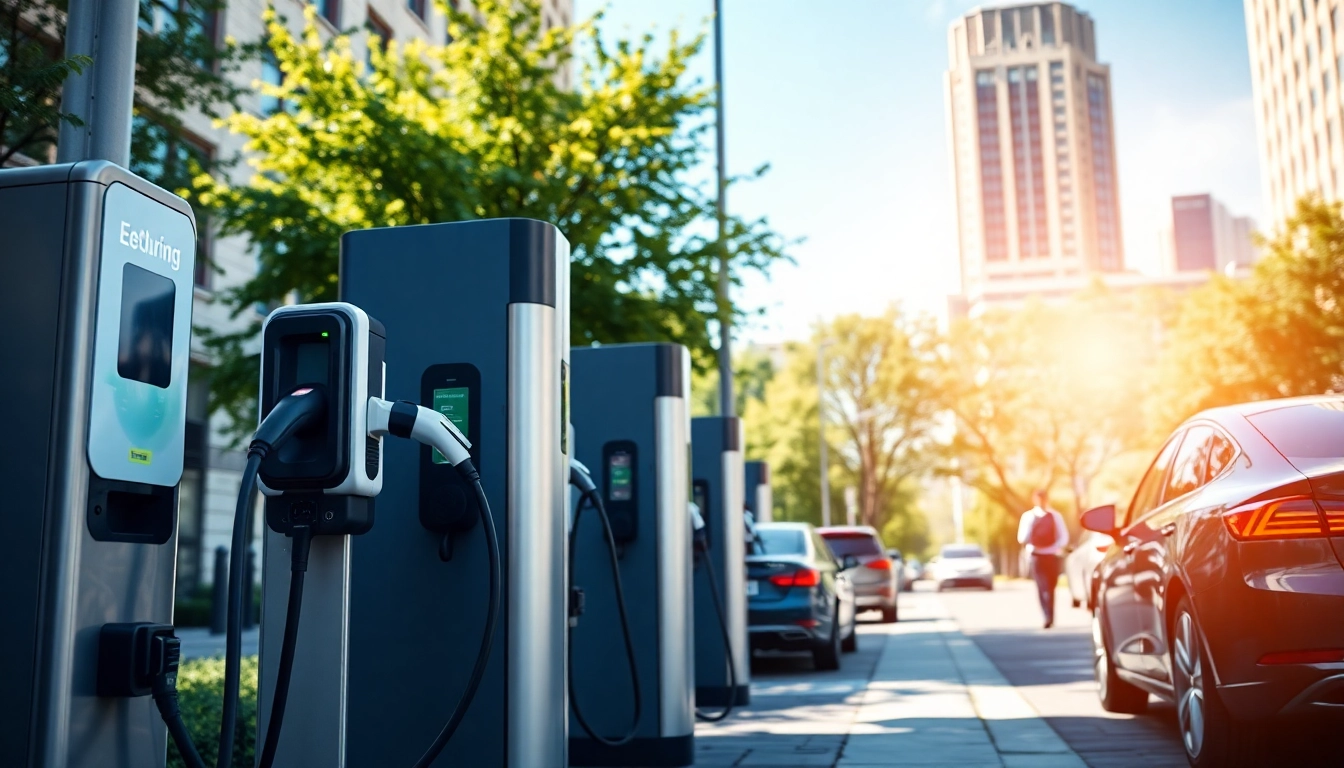
EV charging solutions encompass a variety of systems designed to provide electric energy to electric vehicles (EVs). These solutions include home charging stations, public charging networks, and commercial charging infrastructure. Their primary goal is to ensure that electric vehicles can be charged efficiently, safely, and conveniently. As the market for electric vehicles grows, so does the need for comprehensive EV charging solutions, making it essential for consumers and businesses alike to understand these systems.
Types of EV Charging Solutions
There are several types of EV charging solutions categorized primarily by their charging speed and intended use:
- Level 1 Charging: This is the most basic charging solution, using a standard household outlet (120 volts). Level 1 chargers are suitable for home use but can take a long time to fully charge an EV, typically requiring 8 to 12 hours.
- Level 2 Charging: Utilizing a 240-volt outlet, Level 2 chargers are much faster than Level 1, allowing for a full charge in approximately 4 to 6 hours. These are ideal for residential installations as well as commercial applications.
- DC Fast Charging: These are high-powered chargers that can recharge an EV to 80% in around 30 minutes. They are primarily found in public charging stations and are essential for long-distance travel.
- Wireless Charging: An emerging technology that allows EVs to charge without physical connectors. While still in the developmental stage, its implementation could simplify the charging process significantly.
Benefits of EV Charging Solutions
Implementing effective EV charging solutions provides a multitude of benefits:
- Environmental Sustainability: By utilizing renewable energy sources for EV charging, we can significantly reduce our carbon footprint and contribute to a greener planet.
- Convenience and Accessibility: With a growing network of charging stations and home charging options, EV users have more accessible and convenient charging solutions.
- Cost-Effectiveness: Charging an electric vehicle is generally less expensive compared to fueling a petrol or diesel vehicle, especially when combined with off-peak energy rates.
- Enhanced Vehicle Performance: Well-designed charging solutions can help protect battery health, ensuring that the vehicle performs optimally over time.
- Government Incentives: Many regions offer financial incentives for the installation of EV charging infrastructure, further benefiting users and businesses.
Choosing the Right EV Charging Solutions for Your Needs
Assessing Your Charging Requirements
Before selecting an EV charging solution, it’s crucial to evaluate your specific needs. Consider the following aspects:
- Type of Vehicle: Different EV models have various battery capacities and charging capabilities. Understanding your vehicle’s specifications will help determine the appropriate charger.
- Daily Usage: Assess your average driving distance. If you frequently drive long distances, a DC Fast Charger might be necessary for public access, while Level 2 might suffice for home use.
- Location: Analyze the charging conditions in your area, especially if installing a home charger. Is there sufficient electrical capacity?
Location Considerations
The location of your charging station plays a significant role in the effectiveness and convenience of your EV charging solution. Key considerations include:
- Home Installation: If you plan to install a charger at home, choose a location that is easily accessible from your parking area and has the required electrical infrastructure.
- Workplace Solutions: Businesses can benefit from installing charging stations to enhance employee satisfaction and attract environmentally conscious customers.
- Public Charging Networks: Locations such as shopping centers, hotels, and highway rest stops are essential to support long-distance travel and provide necessary infrastructure.
Cost Analysis of Various EV Charging Solutions
The cost of installing EV charging solutions can vary widely based on several factors, including:
- Charger Type: Level 1 chargers are usually less expensive, while DC Fast Chargers require a higher investment due to their advanced technology.
- Installation Fees: Professional installation costs can add significantly to the final price. Ensure to get multiple quotes and understand what is included in the service.
- Maintenance Costs: Like any equipment, EV chargers may require routine maintenance, which can affect the overall cost of ownership.
Installation of EV Charging Solutions
Preparing for Installation
Proper preparation can streamline the installation process. Follow these steps:
- Site Assessment: Engage an electrician to assess your location and determine the electrical requirements necessary for the installation.
- Permits and Regulations: Check local building codes and regulations to ensure compliance and secure the necessary permits before installation.
- Choosing the Right Charger: Based on your charging needs and budget, select the charger that fits your requirements best.
Finding Professional Help
While DIY installation might sound appealing, relying on professionals ensures that the installation meets safety standards. Consider the following approaches to finding qualified professionals:
- Recommendations: Ask for recommendations from friends or family who have installed EV chargers. Their personal experiences can be valuable.
- Online Reviews: Explore online reviews and testimonials to gauge the reliability and skill of local electricians.
- Quotes: Obtain quotes from multiple contractors to understand the market rate and services offered.
DIY Installation: A Beginner's Guide
If you prefer a hands-on approach and possess appropriate electrical skills, DIY installation can also be an option. Follow these guidelines:
- Gather Materials: Purchase all necessary materials and tools needed for the installation, including the EV charger, wiring, and protection equipment.
- Follow Instructions: Adhere strictly to the manufacturer’s installation manual, and ensure you meet all safety standards.
- Safety First: Always prioritize safety. Use proper personal protective equipment (PPE) and ensure the power is switched off while working on electrical components.
Maximizing the Use of EV Charging Solutions
Understanding Charging Speeds
Different chargers offer varying charging speeds. Understanding these speeds can assist you in maximizing your EV charging experience:
- Level 1: Uses a typical household outlet, takes the longest, suitable for overnight charging.
- Level 2: Quicker charging for home and business use, ideal for daily driving needs.
- DC Fast Charging: Best for long trips, providing up to 80% charge in as little as 30 minutes, typically found in public stations.
Best Practices for Charging
To extend battery life and ensure efficient charging, consider these best practices:
- Charge Regularly: Establish a routine to charge your EV, as regular charging can minimize battery degradation.
- Time Your Charging: Consider charging during off-peak hours to reduce electricity costs.
- Avoid Full Depletion: Try not to allow your battery to fully deplete, as this can negatively affect battery health.
Monitoring Usage and Costs
Keeping track of your EV charging habits can provide valuable insights into usage and expenses. Utilize the following methods:
- Energy Monitoring Systems: Consider integrating an energy monitoring system that tracks the electricity used for EV charging.
- Mobile Apps: Use apps that work with EV charging solutions to analyze your charging habits and optimize your electricity expenditure.
- Utility Provider Tools: Many utility providers offer tools to help monitor and analyze your charging activities, helping you make informed decisions.
Future Trends in EV Charging Solutions
Innovations in Charging Technology
The evolution of EV charging technology is essential to improve efficiency and user accessibility. Key innovations to watch out for include:
- Ultra-Fast Charging: Newer technologies promise even faster charging capabilities, reducing wait times significantly.
- Smart Chargers: Integration with smart home technologies allows for optimized charging schedules and energy management.
- Battery Swapping: An innovative approach being piloted by various companies, it allows users to swap out depleted batteries instead of waiting to recharge.
Sustainability Trends Impacting EV Charging Solutions
Sustainability remains a top priority in the development of EV charging solutions. This includes:
- Green Energy Sources: Utilizing solar and wind energy for charging, which not only reduces reliance on fossil fuels but also may lower charging costs.
- High Efficiency Equipment: Development of energy-efficient chargers that utilize less electricity and have a lower overall environmental impact.
- Recycling Programs: Initiatives aimed at recycling old batteries and chargers to minimize waste and promote sustainability.
Government Incentives and Policies
Government policies play a significant role in shaping the future of EV charging solutions. Consider the following:
- Tax Credits: Many regions offer tax incentives for electric vehicle purchases and the installation of EV charging infrastructure.
- Funding for Charging Stations: Government programs allocate funds for businesses and municipalities to install public charging stations.
- Regulatory Support: Policies encouraging renewable energy use for EV charging installations help create a more sustainable charging environment.
FAQs about EV Charging Solutions
What are EV charging solutions?
EV charging solutions refer to systems and equipment designed to supply electric power to electric vehicles, ensuring they can be charged efficiently and conveniently.
How long does it take to charge an electric vehicle?
Charging times vary by charger type: Level 1 can take 8-12 hours, Level 2 takes 4-6 hours, and DC fast charging can recharge 80% in 30 minutes or less.
Are there public EV charging stations available?
Yes, public EV charging stations are increasingly available in urban areas, shopping centers, and along highways, making it easier for drivers to recharge.
What is the cost of installing EV charging solutions?
The installation cost varies based on the type of charger, location, and any necessary electrical upgrades, typically ranging from $500 to $3,000.
Can I install EV charging solutions at home?
Yes, homeowners can install EV charging solutions in residential garages or driveways, often opting for Level 2 chargers for faster home charging.