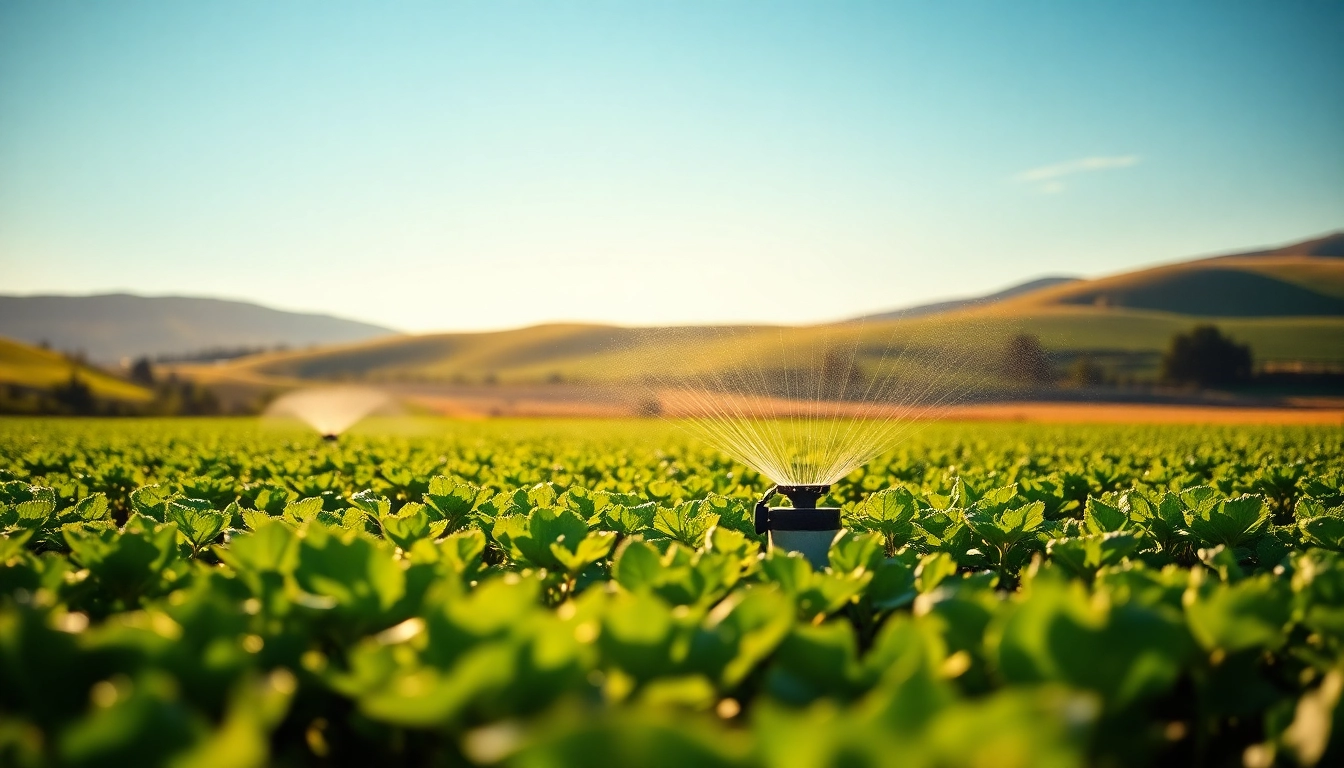
Understanding Land Irrigation Basics
What is Land Irrigation?
Land irrigation is the art and science of applying controlled amounts of water to crops at needed intervals. This method enhances agricultural productivity through optimal water supply, offering plants the right conditions to grow. With diverse techniques ranging from surface irrigation to advanced tech-driven systems, proper implementation of land irrigation ensures efficient water usage and maximizes yield. In today's world, the need for sustainable practices makes understanding land irrigation all the more critical.
Importance of Land Irrigation in Agriculture
The significance of land irrigation cannot be overstated. With the global population on the rise, food demand continues to soar. Irrigation plays a vital role in meeting this demand by ensuring a consistent water supply to crops, thereby stabilizing yields regardless of weather fluctuations. It mitigates crop loss due to drought and increases the efficiency of soil nutrient absorption, ultimately fostering healthier plants.
Furthermore, proper irrigation systems help prevent soil erosion and improve soil fertility. When crops receive appropriate moisture levels, they grow stronger and are more resistant to pests and diseases. This cycle of healthy growth not only contributes to food security but also supports the economic stability of farming communities.
Types of Land Irrigation Techniques
Understanding the various land irrigation techniques is essential for farmers and agricultural planners. The following are some common methods:
- Surface Irrigation: Water flows over the soil surface and infiltrates into the soil. This method is time-tested and suitable for various crops and soil types.
- Drip Irrigation: This efficient system delivers water directly to the plant roots through a network of tubing and emitters, reducing wastage.
- Sprinkler Irrigation: Water is sprayed across the field using a system of pipes and pumps, mimicking natural rainfall.
- Subsurface Irrigation: This innovative approach uses buried pipes to deliver water below the soil surface, suitable for sandy soils and drought-prone areas.
- Flood Irrigation: Water is introduced to the entire field, ensuring all crops benefit from consistent moisture.
Each technique has its merits and limitations; understanding these nuances helps in selecting the most appropriate method based on crop, soil, and climate conditions.
Choosing the Right Land Irrigation Method
Assessing Soil and Crop Needs
Selecting the optimal irrigation method involves a thorough assessment of soil and crop needs. Different crops have varying water requirements, and soil types affect how water penetrates and retains moisture. Farmers should conduct soil tests to determine texture, structure, and drainage capacity. For example, sandy soils drain quickly and may need more frequent irrigation compared to clay soils, which retain water longer.
Additionally, understanding crop growth stages is crucial. Young crops may require less water than mature ones, necessitating a dynamic irrigation schedule. By aligning irrigation practices with these parameters, farmers can enhance both efficiency and productivity.
Advantages and Disadvantages of Methods
Each irrigation method presents unique advantages and disadvantages. For example:
- Surface Irrigation: While it's cost-effective and simple, it may lead to water logging and nutrient runoff if not managed properly.
- Drip Irrigation: It minimizes water use and enhances crop yield but requires a significant initial investment and maintenance.
- Sprinkler Irrigation: Versatile and efficient in large fields, but it's susceptible to wind drift and evaporation losses.
- Subsurface Irrigation: Helps avoid evaporation losses and is excellent for drought conditions, yet installation can be complex and costly.
- Flood Irrigation: Also inexpensive but can cause uneven water distribution and potential salinity issues.
Analyzing these factors assists in making informed decisions that align with both environmental conditions and economic realities.
Technological Innovations in Irrigation
Technology continues to revolutionize land irrigation practices. Innovations such as smart sensors, automated systems, and real-time monitoring applications enable farmers to apply water precisely as needed. For instance, soil moisture sensors can provide data that informs watering schedules, optimizing water use and improving crop health. Additionally, cloud-based platforms offer predictive analytics to forecast water needs based on weather patterns.
Moreover, employing mobile apps for irrigation management enhances accessibility, enabling farmers to manage irrigation remotely and make data-driven decisions. By embracing these technological advancements, agricultural producers can significantly boost efficiency and sustainability.
Designing an Efficient Land Irrigation System
Components of an Effective System
Designing an efficient land irrigation system requires careful planning and understanding of its components. Key elements include:
- Water Source: Identifying a reliable water source is crucial for consistent irrigation.
- Pumping System: Pumps determine the flow of water from sources; they should be adequately sized based on field needs.
- Irrigation Network: This includes pipes, valves, and connectors, which distribute water across the field evenly.
- Control Systems: Automatic controls for monitoring and adjusting irrigation schedules can improve efficiency.
- Filtration Systems: To prevent blockages and ensure clean water delivery to plants.
Considering these components holistically leads to the creation of a robust irrigation system tailored to specific agricultural needs.
Water Source Management
Water source management is integral to the sustainability of land irrigation systems. Efficient management practices include ensuring that the water source—be it surface water, groundwater, or recycled water—is maintained and protected from contamination. Farmers should also be aware of local water regulations and conservation measures. Implementing rainwater harvesting techniques can supplement irrigation needs and promote water sustainability.
Furthermore, establishing buffer zones around water sources can reduce pollution and sedimentation, maintaining the quality of water for irrigation. By actively managing water sources, farmers contribute to the resilience of their irrigation systems.
Creating a Sustainable Irrigation Plan
A sustainable irrigation plan encompasses long-term strategies that balance crop needs with environmental stewardship. Key components of a sustainable plan include:
- Water Conservation Practices: Implementing techniques, such as scheduling irrigation based on weather forecasts, helps minimize waste.
- Crop Rotation: Cultivating different crops in succession can improve soil health and efficiency in water use.
- Organic Farming Methods: Utilizing organic materials can enhance soil structure and increase its water-holding capacity.
- Community Engagement: Collaborating with local farmers and agricultural stakeholders fosters shared strategies and knowledge dissemination.
Creating a well-rounded irrigation plan not only benefits the farmer but also supports broader ecological objectives.
Best Practices for Land Irrigation Management
Monitoring Soil Moisture Levels
Regular monitoring of soil moisture levels is imperative for effective irrigation management. Various tools, such as tensiometers and moisture sensors, can provide real-time feedback on soil water content. This data is invaluable in informing irrigation schedules, ensuring that crops receive precisely the amount of water needed. By avoiding both over-irrigation and under-irrigation, farmers can maintain optimal plant health and conserve water resources.
Seasonal Adjustments to Irrigation
Adjusting irrigation practices according to seasonal changes is vital for maximizing effectiveness. During periods of heavy rainfall, it's crucial to reduce irrigation frequency to prevent waterlogging. Conversely, during dry spells, increasing irrigation frequency or quantity can help sustain crops. By staying attuned to seasonal patterns, farmers can fine-tune their irrigation systems to respond to nature's demands.
Maintenance and Troubleshooting Techniques
Ongoing maintenance is necessary to keep irrigation systems functioning efficiently. Regular inspections of pipes, emitters, and pumps help identify clogs, leaks, or malfunctions that could disrupt water flow. Implementing a seasonal checklist can streamline maintenance tasks, ensuring that all components are in optimal condition. Troubleshooting techniques, such as isolating sections of the system to find problems, can save time and resources in repairs.
Overcoming Common Challenges in Land Irrigation
Addressing Water Scarcity Issues
Water scarcity poses a significant challenge to irrigation practices, especially in regions prone to drought. To combat this issue, farmers can implement water-saving strategies, such as drip irrigation and precision farming. Utilizing drought-resistant crop varieties and maintaining soil health through organic amendments can also enhance resilience against water shortages. Active community engagement in water conservation initiatives further strengthens local agricultural practices.
Dealing with Soil Erosion and Fertility
Soil erosion and loss of fertility can weaken irrigation effectiveness and impact crop production. Practices such as cover cropping, reduced tillage, and maintaining ground cover can mitigate erosion risks. Additionally, integrating organic fertilizers enhances soil fertility, promoting healthy root systems and moisture retention. Through active soil conservation efforts, farmers can maintain the integrity and productivity of their land.
Implementing Eco-Friendly Solutions
Implementing eco-friendly irrigation solutions not only benefits individual farmers but also contributes to global sustainability goals. Methods such as rainwater harvesting, greywater reuse, and sustainable drainage systems reduce reliance on freshwater sources. Farmers should explore integrated pest management and organic fertilizers to minimize environmental impact while promoting healthy crop growth. This holistic approach ensures that irrigation practices evolve in harmony with ecological principles.
Frequently Asked Questions
What is the best irrigation method for small farms?
Drip irrigation is often the best choice for small farms due to its efficiency and precision in delivering water directly to plant roots, minimizing waste.
How does soil type affect irrigation needs?
Soil type influences water retention and drainage; sandy soils require more frequent watering than clay soils, which retain moisture longer.
Can I automate my irrigation system?
Yes, many modern irrigation systems can be automated with timers and moisture sensors, allowing for efficient water management without manual intervention.
What are the signs of over-irrigation?
Signs include waterlogged soil, wilting plants, nutrient leaching, and the presence of fungal diseases, indicating excessive water application.
How can I conserve water with irrigation?
Implement water-efficient techniques like drip irrigation, schedule watering during cooler temperatures, and use mulch to reduce evaporation.