Understanding Industrial Hydraulics Solutions
What are Industrial Hydraulics Solutions?
Industrial hydraulics solutions are essential systems that utilize the principles of hydraulics to generate, control, and transmit power through fluid mechanics. These systems rely on a force exerted by pressurized liquids, making them highly effective for performing various tasks across industries such as manufacturing, construction, and agriculture. The ability to provide significant power with precision makes hydraulic systems indispensable for heavy machinery and equipment. By manipulating hydraulic fluid, industries can achieve controlled movements and operations that would otherwise be challenging with mechanical systems alone. This versatility allows for various applications, providing users with tailored solutions for their power needs.
Components of Hydraulic Systems
A typical hydraulic system consists of several integral components that work together to perform its functions. The primary components include:
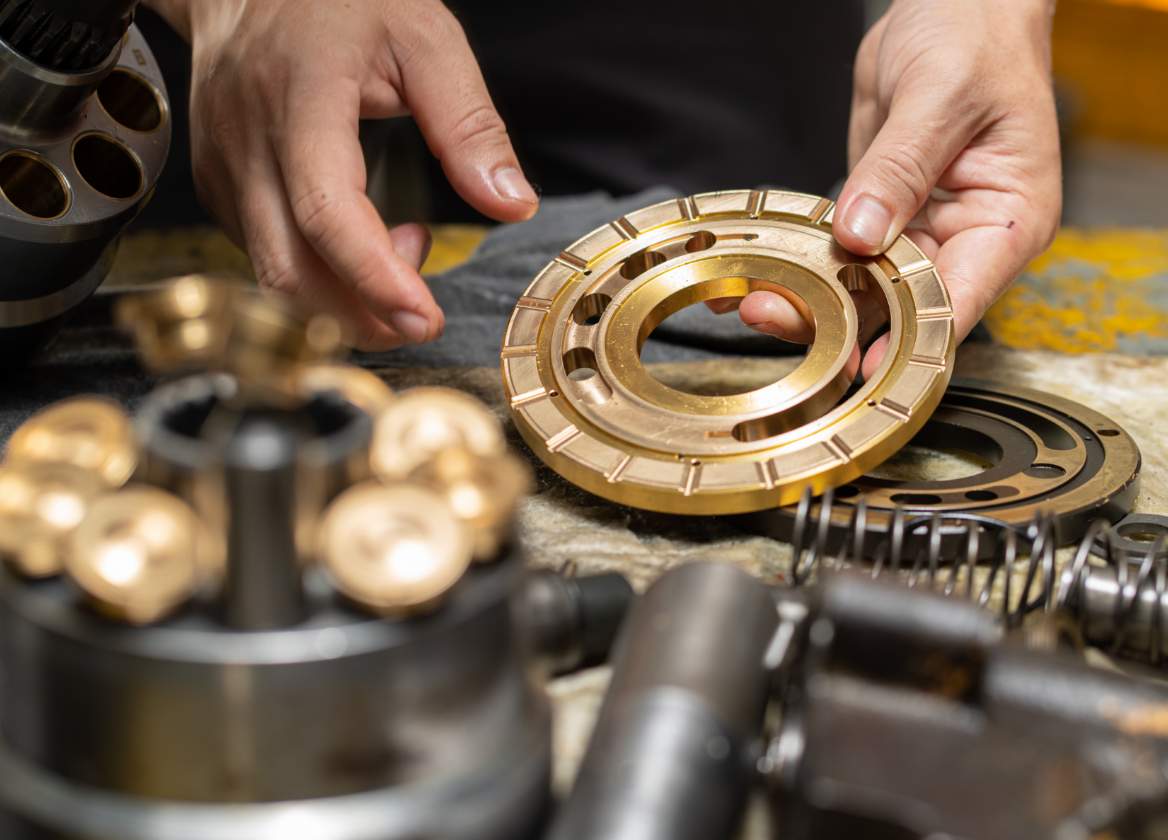
- Hydraulic Pumps: These convert mechanical energy into hydraulic energy, pushing fluid throughout the system.
- Hydraulic Cylinders: Acting as the actuators of the system, they convert hydraulic energy back into mechanical energy.
- Valves: Control the flow and direction of the hydraulic fluid, enabling various movements in the system.
- Hydraulic Fluid: This fluid transmits energy throughout the system and must be carefully selected for optimal performance.
- Reservoirs: Store hydraulic fluid and allow for the expansion and contraction of fluid within the system.
Understanding each component's role is vital to designing efficient industrial hydraulics solutions that meet specific operational requirements.
Key Benefits of Hydraulic Solutions
Implementing hydraulic systems brings numerous advantages, making them popular in various industries. Some key benefits include:
- High Power Density: Hydraulic systems can generate tremendous power relative to their size, allowing for efficient operation in confined spaces.
- Precision Control: Hydraulic cylinders enable accurate and smooth movements, crucial for applications requiring meticulous positioning.
- Durability: With proper maintenance, hydraulic systems can deliver reliable performance over extended periods, even under heavy loads.
- Flexibility: Systems can be easily adapted or resized to meet changing operational demands, offering a tailored solution for different environments.
Due to these benefits, industrial hydraulics solutions are widely implemented in sectors where heavy lifting and precise control are paramount.
Common Applications of Industrial Hydraulics
Manufacturing Utilization
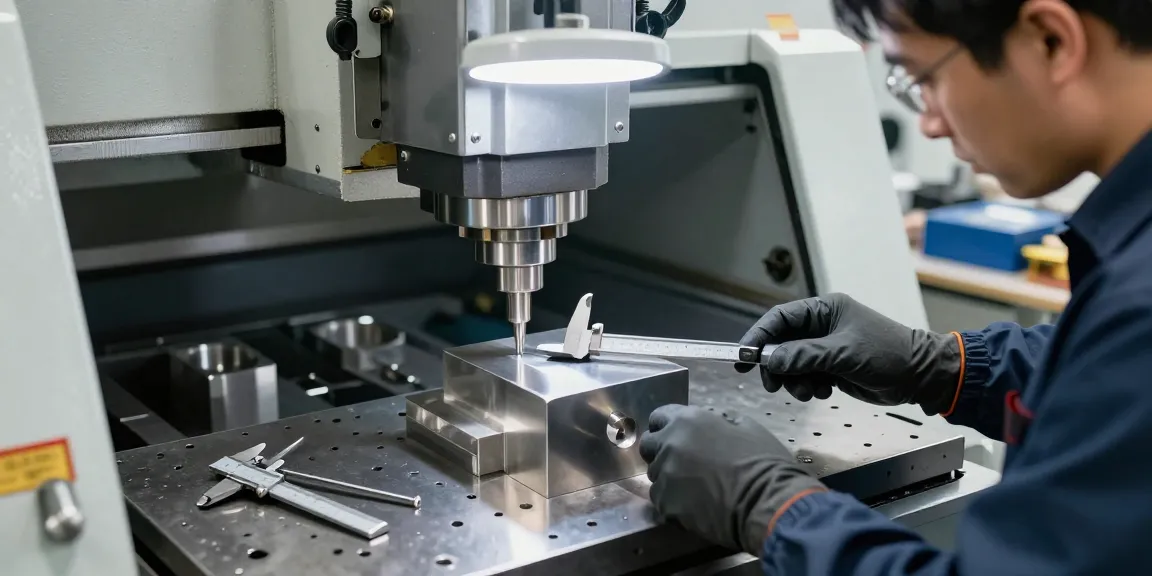
Hydraulic systems play a critical role in manufacturing processes, powering machinery such as presses, injection molding machines, and metal forming tools. These systems handle heavy loads and provide the required force for tasks ranging from bending metal to assembling components. Their efficiency and precision make them ideal for producing complex parts with consistency, reducing downtime and waste.
Construction Equipment
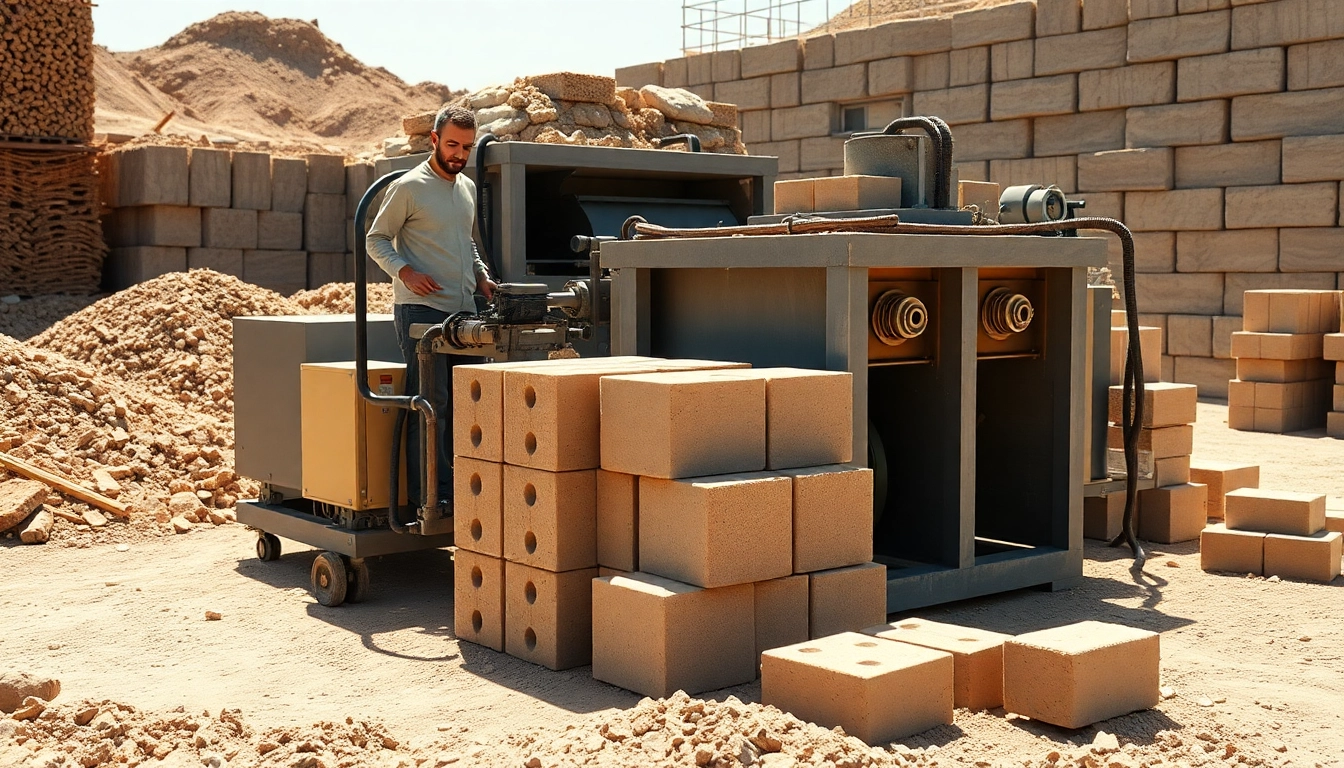
In the construction sector, hydraulic systems are fundamental to equipment such as excavators, bulldozers, and cranes. The ability to exert force on demand allows construction machines to lift, pivot, and grade materials effectively. Additionally, hydraulic solutions enhance the operator's control, permitting the handling of various materials safely and efficiently, thereby expediting project completions.
Agricultural Applications
Agriculture heavily relies on hydraulic systems in machinery like tractors, harvesters, and seeders. By enabling operations such as plowing, lifting, and seeding, hydraulic systems increase productivity and reduce the physical strain on operators. Moreover, advanced hydraulic solutions facilitate the integration of GPS and automation technologies, further enhancing farming efficiencies and yield outputs.
Selection Criteria for Hydraulic Components
Assessing System Compatibility
When selecting hydraulic components, it is essential to ensure compatibility between various elements to prevent performance issues. This includes considering factors such as the type of fluid used, operating pressures, and physical dimensions of components. Compatibility assessment guarantees that all parts of the hydraulic system can operate optimally together.
Performance Considerations
Performance metrics, such as flow rates, pressure ratings, and response times, are crucial in selecting hydraulic components. Designers should prioritize components that provide the needed performance for specific applications while maintaining efficiency. Reviewing manufacturer specifications and testing systems can help prevent inefficiencies and boost overall productivity.
Long-term Reliability Factors
Long-term reliability is an essential consideration when choosing hydraulic solutions. Evaluating factors such as material quality, resistance to corrosion, and the ability to withstand operational stresses is critical. Conducting regular maintenance and performance assessments ensures that the hydraulic system continues working efficiently over time.
Installation and Maintenance Best Practices
Installation Steps for Hydraulic Systems
Proper installation of hydraulic systems is key to maximizing performance and longevity. Steps involve:
- Assessing the installation site and ensuring adequate space and support.
- Carefully placing components according to design specifications.
- Connecting hydraulic lines and ensuring secure fittings to prevent leaks.
- Filling the system with the appropriate hydraulic fluid and removing air bubbles.
- Conducting thorough operational tests to confirm functionality.
Following these steps will help ensure that the system performs correctly from the outset.
Routine Maintenance Procedures
Regular maintenance is crucial for the longevity and reliability of hydraulic systems. Key maintenance practices include fluid level checks, replacing filters, inspecting seals for wear, and monitoring for leaks. Implementing a maintenance schedule helps identify potential issues early and ensures uninterrupted operation.
Common Troubleshooting Techniques
Even with the best maintenance practices, issues can arise. Common troubleshooting techniques include:
- Identifying abnormal noises or vibrations as indicators of potential problems.
- Checking hydraulic fluid levels and quality for contamination.
- Verifying pressure levels to determine if the system operates within specified parameters.
- Examining for leaks that could indicate failing seals or connections.
Prompt identification and rectification of issues ensure prolonged system efficiency.
Future Trends in Industrial Hydraulics Solutions
Technological Advancements
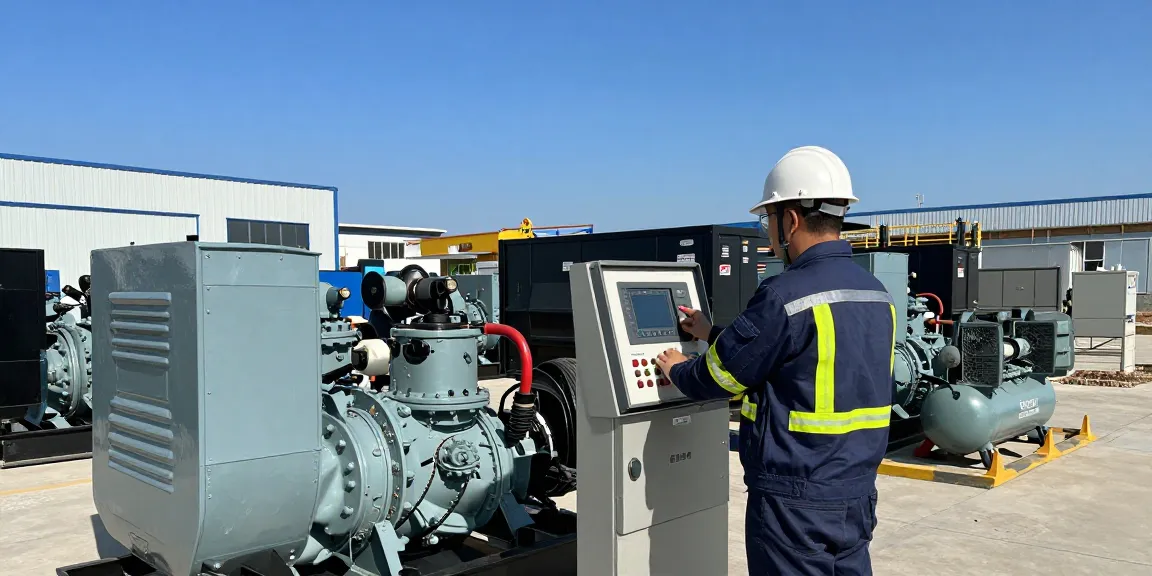
The industrial hydraulics sector is witnessing rapid advancements in technology, including the development of smart hydraulic systems. These incorporate sensors and IoT connectivity, enabling real-time monitoring and data analysis. This technology not only improves operational efficiency but also allows for predictive maintenance, reducing unexpected downtimes and costs.
Sustainability Considerations
Sustainability is becoming increasingly important in industrial practices. The hydraulic industry is focusing on eco-friendly hydraulic fluids and energy-efficient systems to reduce environmental impacts. Implementing these sustainable practices not only complies with regulations but also promotes a positive corporate reputation and can lead to cost savings.
Integration with Automation
Integrating hydraulic systems with automation technologies is revolutionizing industrial operations. Automated systems deliver enhanced precision and efficiency, allowing for complex tasks to be performed with minimal human intervention. This trend is expected to continue, with more industries adopting advanced hydraulic systems as part of their automated framework.
Frequently Asked Questions (FAQs)
1. What are the advantages of using hydraulic systems?
Hydraulic systems offer high power density, precise control, durability, and flexibility, making them ideal for various industrial applications.
2. How often should hydraulic systems be maintained?
Regular maintenance is crucial; checks on fluid levels, filters, and seals should be conducted at least quarterly, depending on usage.
3. What kind of fluid is used in hydraulic systems?
Hydraulic fluids are specifically formulated for optimal performance, commonly based on mineral oil, water, or phosphate esters, depending on application needs.
4. Can hydraulic systems be used in automated machinery?
Yes, hydraulic systems are integral to automated machinery, providing the necessary power and precision for various automated tasks.
5. What are common issues in hydraulic systems?
Common issues include fluid leaks, low pressure, abnormal noises, and overheating, often resolvable through proper maintenance and troubleshooting methods.