
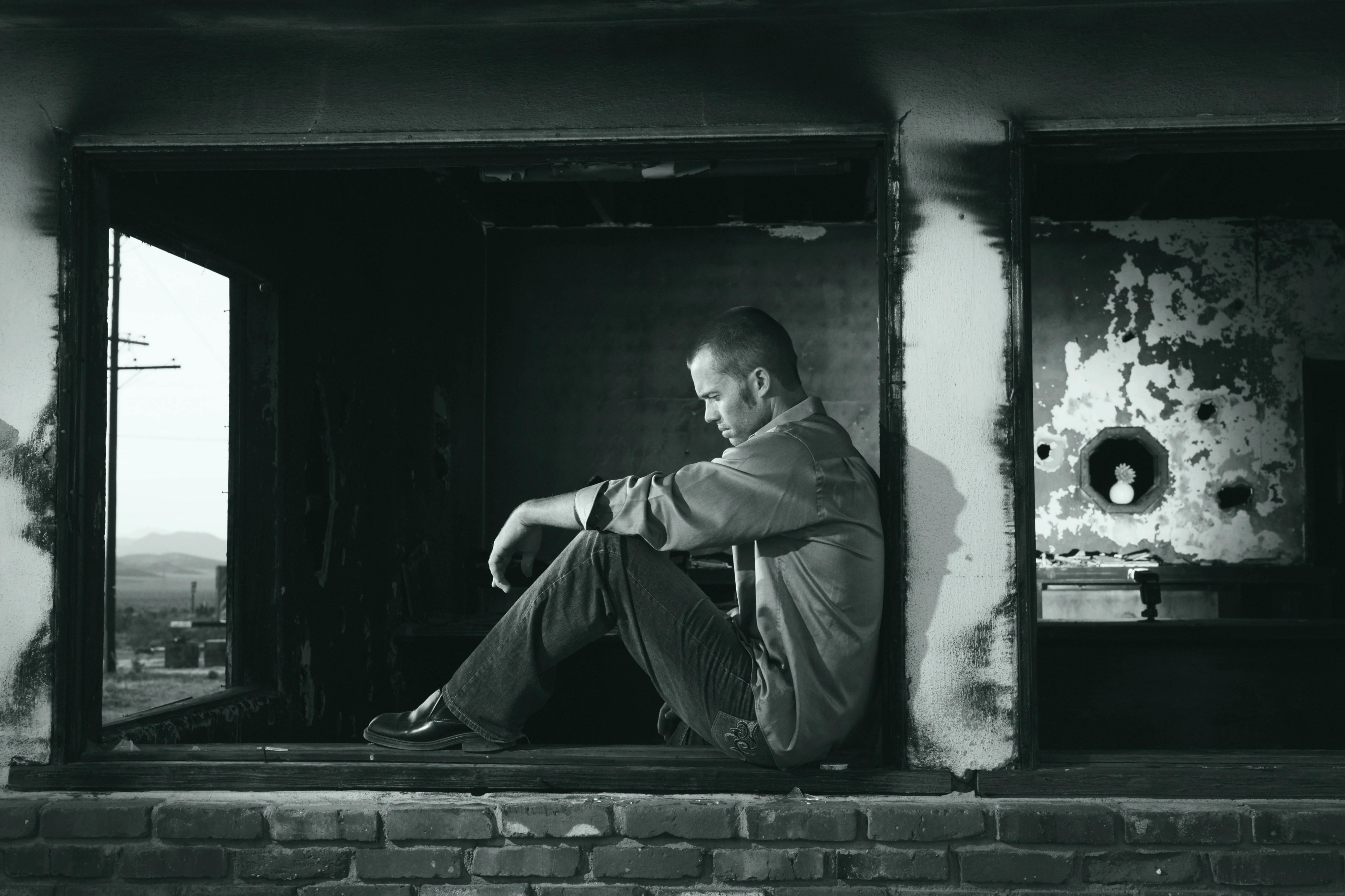
Suicide is a deeply painful and complex issue that affects families, communities, and churches worldwide. For those navigating the aftermath of suicide loss, faith communities often provide crucial support and hope. The Christian Association for Survivors of Suicide Loss is dedicated to offering compassionate, faith-based assistance to individuals and leaders grappling with this tragedy. This article explores Christian suicide support resources tailored specifically for churches and leaders to empower them in providing meaningful help to survivors and those at risk.
Understanding the Need for Christian Suicide Support
Suicide touches every community, and the church is no exception. Members of congregations may silently suffer, feeling isolated by stigma and misunderstanding. Churches, as places of spiritual refuge, can become critical hubs for healing when equipped with appropriate knowledge and resources.
The Role of Churches in Suicide Support
Churches have a unique role in suicide prevention and postvention. They provide:
- Spiritual guidance and comfort
- A compassionate community environment
- Access to faith-based counseling and prayer
- Opportunities for survivors to find purpose and hope
By integrating Christian suicide support into their ministries, churches create safe spaces where survivors can process grief and begin healing.
The Importance of Faith-Based Approaches
Faith can be a powerful tool in recovery. Christian teachings emphasize hope, redemption, and the intrinsic value of every life, providing survivors with a framework to understand loss and find peace. Churches can harness scripture and prayer alongside professional support to foster resilience.
Key Christian Suicide Support Resources for Churches
To effectively support survivors, church leaders must be aware of specialized resources that address the spiritual and emotional needs of those affected by suicide.
Training and Education for Church Leaders
Proper training equips pastors, counselors, and volunteers to recognize signs of suicidal ideation, respond with sensitivity, and guide individuals to appropriate care.
- Suicide Prevention Workshops: Programs designed for church staff can provide vital skills for intervention.
- Grief Counseling Training: Understanding how to support survivors through faith-based counseling enhances care quality.
Support Groups within the Church
Creating or facilitating support groups for survivors of suicide loss offers a structured environment for sharing and healing.
- Peer-led Groups: Survivors supporting one another can reduce feelings of isolation.
- Faith-centered Group Discussions: Incorporating scripture and prayer into meetings strengthens spiritual healing.
Collaboration with Mental Health Professionals
Churches benefit from partnerships with licensed counselors and therapists who respect and incorporate Christian beliefs into their practice.
- Referrals to Christian counselors ensure survivors receive specialized care.
- Joint workshops combining psychological and spiritual approaches provide holistic support.
Educational Materials and Scripture-Based Guides
Providing accessible literature helps church members understand suicide and grief through a Christian lens.
- Booklets, pamphlets, and online resources grounded in scripture reinforce messages of hope.
- Sermon guides help pastors address the topic sensitively in worship services.
How Churches Can Implement Effective Christian Suicide Support
Practical steps enable churches to build sustainable, impactful support systems.
Developing a Suicide Support Ministry
Designating a ministry focused on suicide support creates accountability and focus.
- Recruit and train volunteers specifically for this ministry.
- Establish protocols for outreach, crisis intervention, and survivor care.
Raising Awareness Within the Congregation
Education reduces stigma and encourages open conversations about mental health and suicide.
- Host informational sessions or guest speaker events.
- Incorporate discussions on mental health into regular ministry activities.
Encouraging Prayer and Spiritual Healing
Spiritual practices are essential components of recovery.
- Organize prayer groups and healing services for survivors and those struggling.
- Use scripture to offer hope and reassurance during sermons and counseling.
Providing Ongoing Support and Follow-up
Suicide grief is a long-term journey requiring consistent care.
- Maintain regular contact with survivors.
- Offer resources for anniversaries, holidays, and other difficult milestones.
Challenges in Offering Christian Suicide Support and How to Overcome Them
Churches may face barriers when addressing suicide, but awareness and planning can help overcome these challenges.
Stigma and Silence Around Suicide
Many communities avoid discussing suicide, which increases isolation.
- Normalize conversations by incorporating mental health topics into church teachings.
- Share survivor stories to humanize the issue.
Limited Resources and Training
Smaller churches might lack access to specialized training or counseling.
- Utilize free or low-cost online resources.
- Partner with local mental health organizations or other churches.
Balancing Theology with Compassion
Some theological perspectives can unintentionally add guilt or shame for survivors.
- Emphasize God’s grace, mercy, and love in all support efforts.
- Provide education to leaders on sensitive and inclusive messaging.
The Impact of Effective Christian Suicide Support in Churches
When churches embrace comprehensive support, the positive outcomes are significant.
- Survivors feel understood and valued, reducing feelings of isolation.
- The congregation grows in empathy and resilience.
- Churches become beacons of hope and healing within their communities.
Conclusion
The Christian Association for Survivors of Suicide Loss champions the vital mission of providing compassionate, faith-based care to those affected by suicide. By equipping churches and leaders with the tools and knowledge to offer effective Christian suicide support, faith communities can play a transformative role in healing wounds, restoring hope, and saving lives. Churches that embrace this mission create not only sanctuaries of spiritual comfort but also powerful networks of practical help and enduring love. Through education, prayer, collaboration, and compassionate outreach, the church can shine as a beacon of hope for survivors and all those touched by suicide.