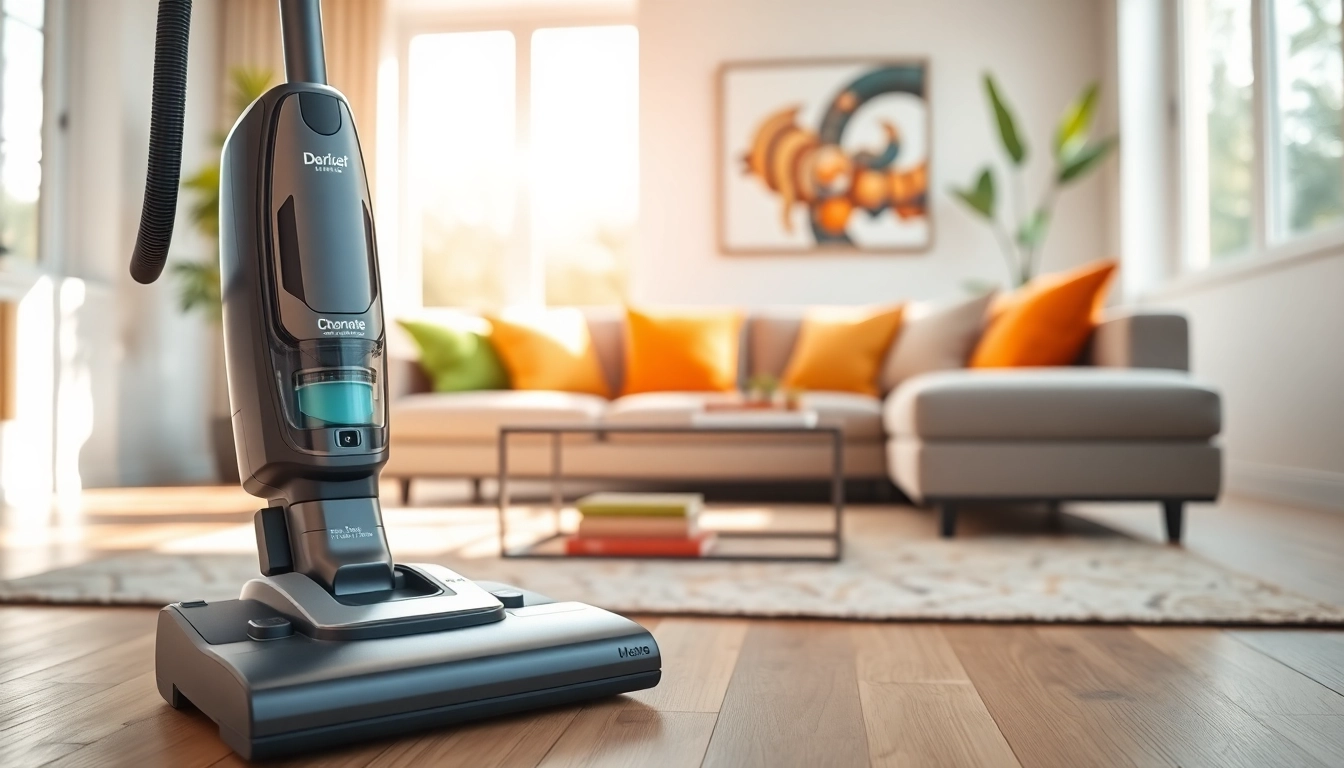
The Importance of Selecting the Right Vacuum
Choosing the right vacuum is essential for maintaining a clean and healthy living environment. With various types of vacuums available, each designed for specific cleaning tasks, understanding their unique functionalities can significantly influence the quality of your cleaning routine. Moreover, identifying which vacuum aligns best with your needs could save you time and enhance your overall cleaning experience. In this comprehensive guide, we will delve into the different vacuum types, features to consider, maintenance tips, and much more. Whether you're seeking the perfect vacuum for your home or need guidance on maintenance, we have you covered.
Understanding Different Vacuum Types
When it comes to vacuums, understanding the different types is crucial. Each type serves distinct cleaning needs and surfaces. The main categories include:
- Upright Vacuums: Best for large areas, upright vacuums provide strong suction and are excellent for carpets.
- Canister Vacuums: Versatile and user-friendly, canister vacuums excel on stairs, upholstery, and hard-to-reach places.
- Robot Vacuums: Designed for automated cleaning, they are great for maintenance but may fall short in deep cleaning needs.
- Stick Vacuums: Lightweight and easy to handle, these are ideal for quick clean-ups and smaller spaces.
- Handheld Vacuums: Perfect for cleaning tight spaces, vehicles, and your home’s nooks and crannies.
Each vacuum type has its strengths and is tailored for different job scopes and environments, making it imperative to evaluate your specific cleaning needs before making a decision.
How Vacuum Performance Affects Cleaning
The performance of a vacuum is largely determined by several key factors, including suction power, airflow design, and brush type. High-quality vacuums provide superior suction capabilities that ensure thorough cleaning by pulling dust and debris from carpets and other surfaces efficiently. Furthermore, the design of the vacuum can impact its ability to maintain suction over time, which is vital, especially when dealing with heavier debris or pet hair.
Airflow is another crucial performance factor. A well-designed airflow system helps efficiently move air through the vacuum cleaner, ensuring minimal loss of suction. The type of brush roller also significantly affects cleaning performance. Soft brushes are often preferred for hardwood, while stiff brushes work well on carpets, improving the vacuum's ability to agitate dirt and dust.
Common Vacuum Myths Debunked
With so much information available, several myths about vacuum cleaners have emerged, leading to confusion and misinformation. Here are some common misconceptions debunked:
- More Power Means Better Cleaning: While powerful suction is important, effective cleaning often depends on design and nozzle types.
- Bagless Vacuums Are Always Better: Bagged vacuums can often trap dust better and provide better filtration options for allergy sufferers.
- Vacuuming Only Impacts the Top Layer: A vacuum's deep-cleaning capability can effectively reach deeper into carpet fibers, depending on the model.
- Maintenance Isn't Necessary: Regular filter cleaning and part replacements are essential for maintaining optimal performance.
Dispelling these myths can lead to more informed choices and a better understanding of maintaining your vacuum for peak performance.
Key Features to Consider in a Vacuum
When selecting a vacuum, several key features can enhance your cleaning experience and outcome. Understanding these features will help you make an informed decision and choose a vacuum that meets your needs.
Suction Power and Its Impact
Suction power is one of the most critical features to consider when selecting a vacuum. It directly affects how well a vacuum can pick up dirt, dust, and debris from various surfaces. Look for vacuums that provide strong and adjustable suction settings, enabling you to tailor the power based on the surface you're cleaning.
For example, high suction settings can be beneficial for carpets and rugs, but lower settings might be more suitable for delicate surfaces like drapes or hardwood floors. Innovations in vacuum technology, such as multi-cyclonic suction systems, can also provide better performance and longevity, ensuring consistent cleaning results.
Filtration Systems and Allergies
Another crucial aspect of vacuum selection is the filtration system. If allergies or asthma are a concern in your household, investing in a vacuum with a high-efficiency particulate air (HEPA) filter is highly recommended. HEPA filters can trap up to 99.97% of dust, pollen, and other airborne particles as small as 0.3 microns, significantly improving indoor air quality.
Additionally, regular maintenance of the filter is vital to retain its effectiveness. Some vacuums feature washable filters, allowing for easier upkeep without the recurring expense of replacements. The combination of strong suction and an effective filtration system will ensure that your space remains clean and fresh.
Weight and Maneuverability
The weight and design of a vacuum can significantly affect its maneuverability and ease of use. Lighter models are often easier to carry up and down stairs, while vacuums with swivel heads can reach those tricky corners and under furniture more efficiently.
When selecting a vacuum, also consider the length of the power cord or the battery life for cordless models. A longer cord reduces the need to change outlets frequently, while a good battery life ensures uninterrupted cleaning. Additionally, look for features like a pivoting handle or ergonomic design to prevent strain during use, enhancing your overall cleaning experience.
Vacuum Maintenance for Longevity
Just as selecting the right vacuum is important, maintaining it ensures its longevity and optimal performance. Regular maintenance minimizes the risk of repairs and keeps your vacuum running efficiently over the years.
Regular Maintenance Tips
To keep your vacuum performing at its best, consider the following maintenance tips:
- Clean or Replace Filters: Regularly check and clean filters based on usage frequency. Follow manufacturer instructions for the best approach.
- Inspect the Brush Roll: Clear any tangled debris from the brush roll to maintain effective cleaning performance.
- Check for Blockages: Periodically inspect hoses and attachments for blockages, which can impede airflow.
- Maintain Clean Canisters or Bags: If using a bagged vacuum, replace the bag when it's about two-thirds full for optimal performance.
Signs Your Vacuum Needs Repair
Recognizing when your vacuum requires repair can save you time and money in the long run. Here are some signs to watch for:
- Loss of Suction: A notable decrease in suction power could signal a blockage, worn-out filter, or motor issues.
- Strange Noises: Unusual sounds during operation might indicate mechanical problems or debris caught in the system.
- Burning Smell: A burning smell is a warning sign that the motor may be overheating, which could lead to more significant damage.
- Physical Damage: Cracks or breaks in any components can affect the vacuum’s performance and should be repaired promptly.
If you encounter any of these signs, consider seeking professional repair services to avoid further damage.
How to Properly Store Your Vacuum
Proper vacuum storage can prolong its life and maintain its functionality. When storing your vacuum, consider the following tips:
- Choose a Clean, Dry Location: Avoid damp areas that can promote mold growth on internal components.
- Store Upright or on a Hook: Ensure the vacuum is stored upright to prevent damage to the hoses and wheels.
- Keep Wires Tangle-Free: Secure power cords neatly to prevent damage and ensure safety during storage.
- Use Storage Accessories: Many vacuums come with wall mounts or modular storage systems that maximize space and accessibility.
Comparing Vacuums: Corded vs. Cordless
One of the most significant considerations when purchasing a vacuum is whether to choose a corded or cordless model. Each has its advantages and drawbacks, and the right choice depends on your cleaning needs.
Advantages of Corded Vacuums
Corded vacuums are typically known for their endless power supply, allowing for prolonged cleaning without concern for battery life. Some of the advantages include:
- Consistent Suction Power: Corded vacuums usually provide stronger, more consistent suction compared to their cordless counterparts.
- No Battery Limitations: You won’t have to worry about the vacuum dying mid-cleaning; simply plug in and go!
- Higher Performance: Many corded models are designed for heavy-duty cleaning, making them ideal for large homes or commercial use.
Benefits of Choosing Cordless
Cordless vacuums have gained popularity in recent years for their convenience and ease of use. Here are some benefits:
- Portability: Cordless models are lightweight and easy to transport, making them great for cleaning multiple floors or areas.
- Easier Maneuverability: Without a cord to restrict movement, cordless vacuums can easily reach tight spots and corners.
- Quick Cleanup: They are perfect for quick cleanups around the house without needing to set up a corded vacuum.
Hybrid Models: Best of Both Worlds?
Hybrid vacuums aim to provide the best of both corded and cordless worlds. They typically offer a strong, consistent power supply while also delivering the flexibility of a cordless design. These models are ideal for those seeking versatility in their cleaning routine. When choosing a hybrid vacuum, consider factors such as battery life, charging time, and whether it matches your specific cleaning needs.
Eco-Friendly Vacuum Options
As environmental awareness grows, many consumers are seeking eco-friendly cleaning options. Fortunately, there are a variety of vacuums designed with sustainability in mind.
Choosing Sustainable Vacuum Brands
When selecting a vacuum, look for brands committed to sustainability. Many manufacturers are now using recycled materials in their products and focusing on environmentally friendly manufacturing processes. By opting for such brands, you support eco-conscious practices while benefiting from high-quality products.
Energy Efficiency Ratings Explained
Energy efficiency is another critical factor to consider. Vacuum cleaners come with different energy ratings, which indicate their power consumption. Choosing an energy-efficient vacuum can lower your energy bills and reduce your carbon footprint. Look for Energy Star-rated vacuums, as they meet strict energy efficiency guidelines set by the EPA.
Recycling and Disposal of Old Vacuums
Once your vacuum reaches the end of its lifespan, consider eco-friendly disposal and recycling options. Many manufacturers offer take-back programs, allowing you to return your old vacuum for recycling or refurbishment. Communities also often have e-waste recycling programs that accept small appliances, ensuring that valuable materials are reclaimed, and harmful components are disposed of safely.
In conclusion, selecting the right vacuum for your home can profoundly affect your cleaning efficiency and indoor air quality. By understanding the various types of vacuums, their features, and maintenance needs, you can make an informed decision that aligns with your cleaning requirements. With advancements in technology and a growing emphasis on sustainability, there's a vacuum out there that can meet your needs while also benefiting the environment. Happy cleaning!