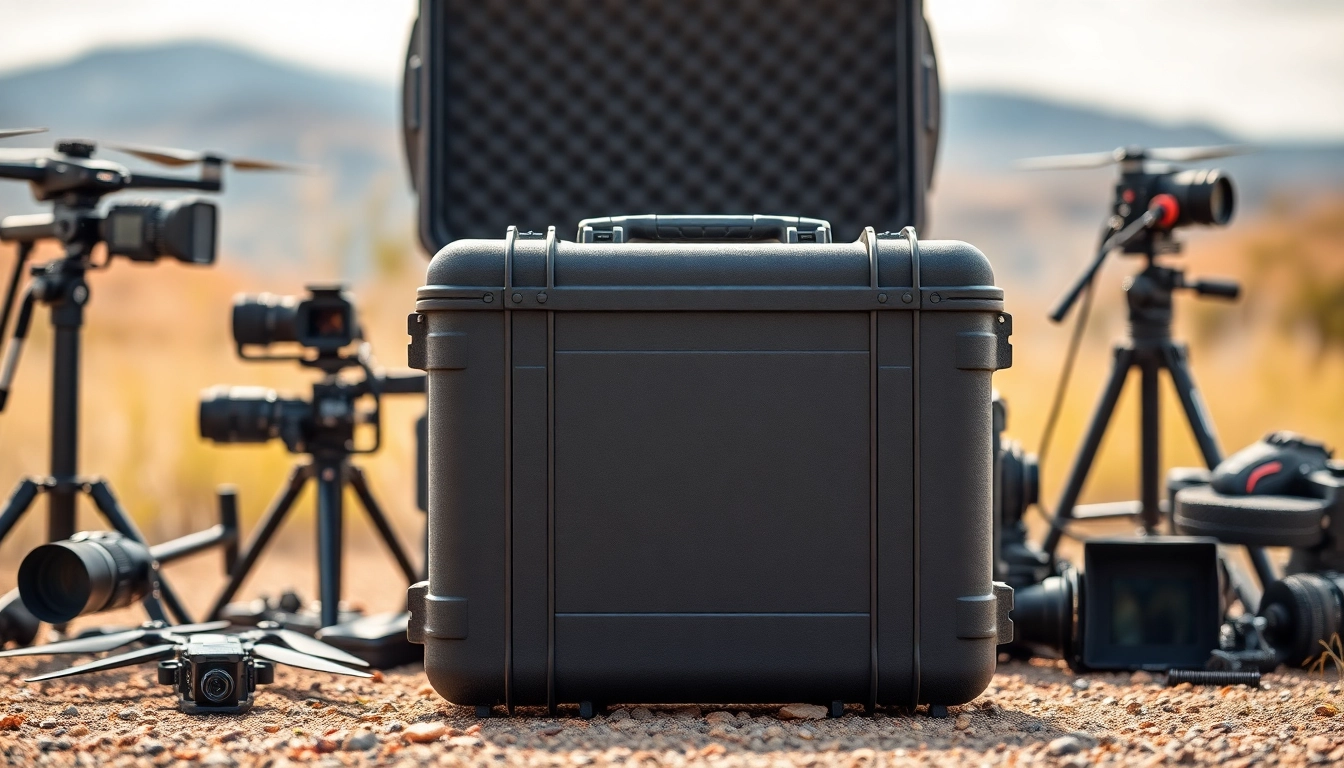
Understanding Hard Cases
When it comes to protecting your valuable equipment, whether it be electronics, photography gear, or tools, investing in a hard case is a decision that often pays dividends. Unlike soft cases, which can be convenient but offer limited protection, hard cases are engineered to withstand harsh conditions and safeguard your belongings against damage. In this article, we’ll explore the various facets of hard cases, from what they are to their benefits and customizability, ensuring you're well-equipped to make an informed purchase.
What is a Hard Case?
A hard case is a robust container designed to protect items from physical impact, water, dust, and other environmental hazards. Typically made from materials like high-impact plastic or molded polymer, these cases are characterized by their rigid structure, which provides superior protection compared to soft fabric cases. Hard cases come in various sizes and shapes, fitting specific equipment or gear, making them a versatile choice for multiple applications.
Types of Hard Cases Available
Hard cases come in various categories depending on their primary purpose:
- Travel Cases: Designed for airline travel, these cases often feature wheels and handles for easy transport.
- Camera Cases: These are padded to securely hold camera bodies, lenses, and accessories.
- Tool Cases: Built to withstand wear and tear, these cases often feature compartments or foam inserts to keep tools organized.
- Customizable Cases: Created for specific gear, these are often fitted with customizable foam for added protection.
Key Features of Hard Cases
When considering hard cases, look for the following features:
- Waterproofing: Many hard cases come with sealing mechanisms that keep water out, crucial for outdoor or marine activities.
- Shock Resistance: Look for cases that can absorb impacts, ensuring your gear remains intact during falls or hits.
- Locks and Security: Some hard cases come with built-in locks or options for padlocks, enhancing security for valuable items.
Selecting the Ideal Hard Case
Choosing the right hard case doesn’t have to be overwhelming. The right model can enhance protection while still being user-friendly. Here are key factors to consider.
Assessing Your Equipment Needs
Before purchasing, assess what equipment you need to protect. Take inventory of the dimensions, weights, and fragility of each item. For example, a camera case will require different protection features than a case for power tools. Ensure that the hard case you select can accommodate your specific items with extra space for padding or dividers if necessary.
Material Considerations for Durability
The material composition of hard cases can significantly affect durability and weight. Common materials include:
- High-Density Polyethylene (HDPE): Known for its strength, this material is often used in hard cases that need to endure extreme conditions.
- Polypropylene: A lightweight yet strong material, often used for lightweight cases.
- Aluminum: While heavier, aluminum cases provide exceptional protection and a premium look.
Size and Weight Factors
Ensure you choose a hard case that fits your gear without excess bulk. The weight of the case is also essential, especially if you plan to carry it for long periods. Remember that lighter cases are generally easier to transport, but ensure they don’t compromise on protection.
Benefits of Using Hard Cases
The advantages of using a hard case extend beyond basic protection; they can significantly enhance your overall carrying experience. Here’s why you should consider investing in one.
Protection Against Environmental Hazards
One of the most significant benefits of hard cases is the protection they afford against environmental factors. Be it rain, humidity, or extreme temperatures, a quality hard case can shield your valuable gear from potential damage. This feature is particularly crucial for outdoor adventurers, photographers, or professionals whose equipment is often used in unpredictable conditions.
Improving Organization and Accessibility
Hard cases often come with internal compartments, cushioning, and dividers, allowing users to organize items effectively. This organization not only makes it easier to access equipment quickly but also minimizes the chances of items getting damaged during transport. Some cases even allow customization, which means you can tailor the interior layout to perfectly fit your gear.
Enhanced Security Features
Security is paramount when transporting valuable items. Hard cases often incorporate lockable mechanisms, making them tamper-resistant and more secure than soft cases. This feature provides peace of mind, whether you’re traveling, storing equipment in a professional setting, or keeping valuable gear at home.
Customization Options for Hard Cases
Personalization can enhance the functionality of hard cases, making them a better fit for individual needs.
Foam Inserts and Custom Dividers
Many hard cases offer customizable foam inserts or dividers, allowing you to create specific compartments for different items. This ensures that everything from cameras to delicate instruments has a secure place, improving organization and minimizing movement during transit.
Color and Branding Choices
Outside of functionality, aesthetics are equally important to many users. Hard cases can often be found in various colors, or users can opt for branding, which is essential for professional settings where equipment needs to reflect a brand’s image.
Accessibility Features
Accessibility can make a significant difference in user experience. Features such as ergonomic handles, wheels for travel, and easy-open latches can greatly enhance convenience. Ensure the hard case you select incorporates these elements, especially if you plan on transporting it frequently.
FAQs About Hard Cases
What are the advantages of hard cases compared to soft cases?
Hard cases provide superior protection from impacts, water, and dust, making them ideal for transporting delicate equipment. They are also more secure, allowing for locking features that soft cases typically lack.
Can hard cases be customized for specific equipment?
Yes, many hard cases come with options for foam inserts and custom dividers, allowing you to tailor the interior to fit your specific equipment securely.
How waterproof are typical hard cases?
Many hard cases feature waterproof seals and are rated to withstand varying levels of submersion. Check specifications to find one that meets your needs, especially for outdoor use.
Are hard cases heavy to carry?
The weight of hard cases varies by material and size. While some are lightweight, others can be heavier. It's essential to balance protection with portability based on your transport needs.
What maintenance do hard cases require?
Maintain your hard case by cleaning it regularly and checking seals and latches for wear. Store it in a dry place when not in use to prevent moisture accumulation.