Understanding Automatic Cat Feeders
What is an Automatic Cat Feeder?
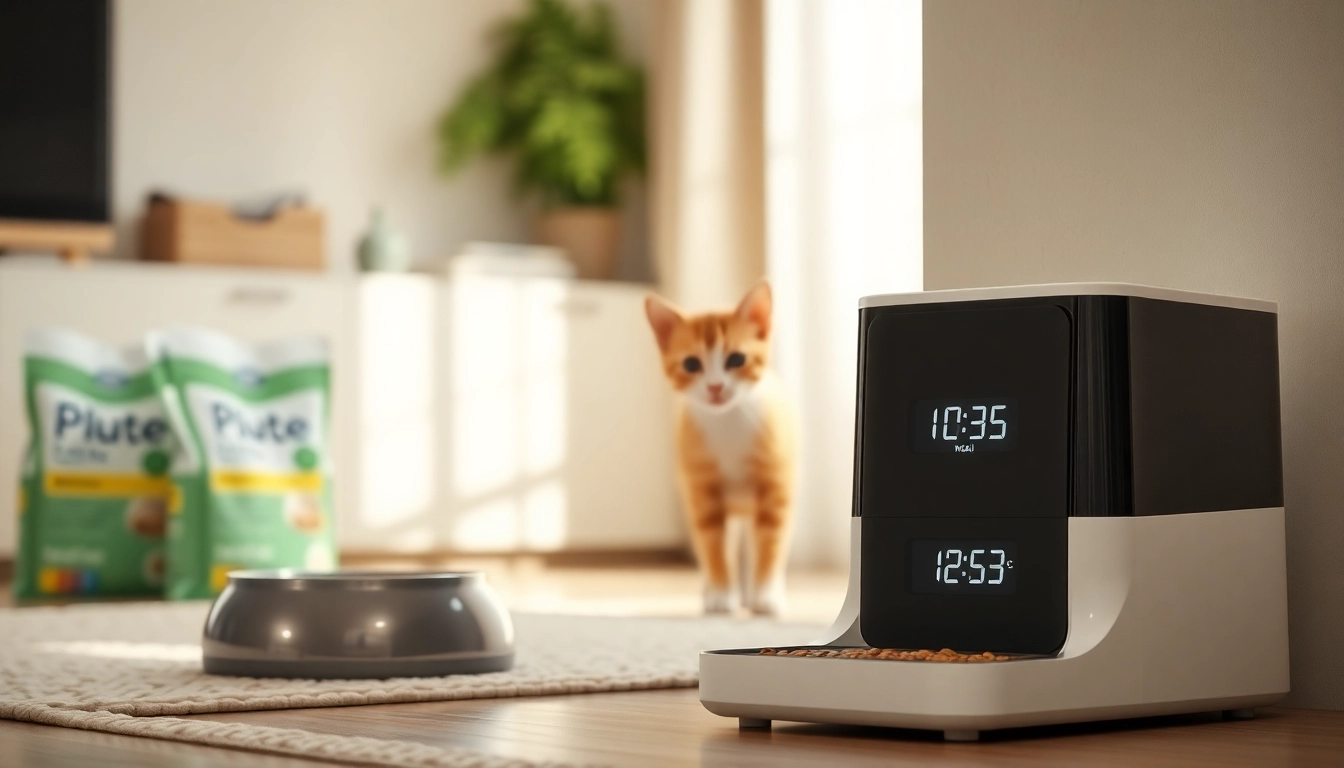
An automatic cat feeder is a device designed to dispense cat food at scheduled intervals without human intervention. These gadgets are particularly handy for busy pet owners, ensuring that feline friends receive their meals on time, even when their owners are away. By automating feeding routines, these devices help provide consistent care, maintain healthy eating schedules, and alleviate the stress of daily feeding tasks.
Types of Automatic Cat Feeders
Automatic cat feeders come in various types, and understanding these can help cat owners choose the best one for their needs:
- Gravity Feeders: These feeders rely on gravity to dispense dry food as your cat eats. They are simple to use but do not allow for portion control.
- Programmable Feeders: These sophisticated feeders allow owners to set specific feeding times and portion sizes, ensuring cats receive the right amount of food at precise intervals. They can accommodate both dry and wet food.
- Smart Feeders: Bluetooth or Wi-Fi-enabled, these feeders are connected to a smartphone app. Owners can monitor their cat's feeding habits, adjust schedules, and even receive notifications when food is low.
- Microchip Feeders: These feeders use technology to recognize a cat's microchip, preventing access to other pets. This is ideal for multi-pet households.
Benefits of Using an Automatic Cat Feeder
Investing in an automatic cat feeder comes with numerous benefits, including:
- Consistent Feeding Schedule: Ensuring that your cat eats at the same times daily can help maintain their health and prevent overeating.
- Convenience: These feeders save time and effort, allowing pet owners to manage feeding without the need to be present at mealtime.
- Portion Control: Many models allow for precise measurement of food, reducing the risk of obesity in pets and ensuring they receive the right nutrients.
- Peace of Mind: Automatic feeders are invaluable for pet owners who work long hours or travel, as they can ensure that pets are fed reliably.
How to Choose the Best Automatic Cat Feeder
Factors to Consider When Buying
When selecting an automatic cat feeder, several crucial factors should come into play:
- Type of Food: Determine what type of food you will be using—dry or wet—as this can influence the feeder type you choose.
- Feeding Capacity: Consider how much food the feeder can hold. Ensure it can accommodate your cat's dietary needs and your schedule.
- Power Source: Look for feeders that can work on batteries or be plugged in, minimizing the chance of food dispensing issues during power outages.
- Ease of Cleaning: Make sure the feeder is easy to disassemble and clean, as hygiene is critical to your cat's health.
Top Features of an Ideal Automatic Cat Feeder
The best automatic cat feeders will typically include the following features:
- Programmable Settings: A user-friendly interface that allows you to set feeding times and portions easily.
- Voice Recording: Some feeders allow for voice recordings, where you can call your pet to eat, providing a sense of familiarity.
- Monitoring Technology: Advanced models now have cameras to monitor feeding and allow interaction with your pet remotely.
- Low Food Alerts: Notifications when food levels are low help ensure you never run out of supplies.
Comparing Costs and Value
While automatic cat feeders range in price from basic models starting at around $30 to premium smart feeders that can exceed $200, owners should assess the value versus features. The long-term benefits such as health management, convenience, and stress reduction for both the cat and the owner often justify the investment. It’s essential to review customer feedback and expert opinions before making a purchase decision to ensure you’re getting good value for your money.
Setting Up Your Automatic Cat Feeder
Installation Tips for Different Models
Setting up an automatic cat feeder can vary based on the model. However, most require similar steps:
- Read the Manufacturer's Instructions: Each model has specific setup instructions that should be followed closely.
- Location: Choose a quiet place where your cat feels comfortable eating, ideally away from distractions.
- Assemble the Feeder: Follow the assembly instructions and ensure all parts are securely in place.
- Test the Mechanism: Before leaving your pet alone with the feeder, test the dispensing mechanism to ensure it's functioning correctly.
Feeding Schedule and Portion Control
Establishing a proper feeding schedule is crucial. Here are some useful tips:
- Feed Multiple Small Meals: Cats thrive on smaller, more frequent meals rather than one or two large servings.
- Monitor Your Cat's Eating Habits: Use the feeder’s logs (if available) to track how much and when your cat is eating to identify any changes in behavior.
- Adjust Portion Sizes Gradually: Don’t make sudden changes to your cat's diet. Adjust feeding amounts gradually over days to lessen the chance of digestive issues.
Maintaining Cleanliness and Food Freshness
Keeping your automatic cat feeder clean and ensuring food freshness is paramount. Follow these guidelines:
- Regular Cleaning: Clean the feeder at least once a week. Disassemble it according to the manufacturer's instructions and use warm soapy water.
- Use Fresh Food: Store cat food in a cool, dry place, and consider buying smaller quantities to keep it fresher longer.
- Check for Mold: If you’re using wet food, check daily to ensure no food has spoiled or attracted insects.
Common Issues and Solutions with Automatic Cat Feeders
Technical Problems and Troubleshooting
Common technical issues may arise with automatic cat feeders. Here are troubleshooting tips:
- Feeder Fails to Dispense: Ensure there’s enough food in the hopper and check for any blockage in the dispensing mechanism.
- Device is Not Turning On: Check the power source, looking at battery life or power connections, and ensure it’s correctly plugged in.
- Programming Issues: Double-check the settings, and if the device has a reset function, it may help resolve persistent programming issues.
Addressing Cat Behavior Issues
Some cats may act differently when using automatic feeders. Common behavioral issues include:
- Refusing to Eat: If your cat seems hesitant, try adjusting the feeder's location or offering a familiar dish with the automatic feeder to coax them into using it.
- Overeating: If you notice your cat has developed unhealthy eating habits, reconsider portion sizes or switch to a feeder designed for portion control.
- Curiosity about the Feeder: Some cats may become overly fascinated with the machine. Offer other engaging toys or activities to distract them.
When to Consult a Veterinarian
If your cat shows disturbing changes in behavior or health, such as sudden weight loss, chronic vomiting, or lethargy, consult your veterinarian. It’s essential to differentiate between potential health issues and adjustments in feeding behavior.
Future Trends in Automatic Cat Feeders
Smart Features and Innovations
The evolution of technology is leading to exciting developments in automatic feeders, including:
- Health Monitoring: Future feeders may include sensors to track overall health metrics like weight and eating patterns.
- Smart Home Integration: Increasing connectivity with smart home systems for integrated monitoring and control via voice-activated systems.
- Artificial Intelligence: Future models may utilize AI to adapt feeding schedules based on dietary needs and health status.
Environmental Considerations
As environmental awareness grows, manufacturers are beginning to develop more eco-friendly feeders. These may include:
- Recyclable Materials: More feeders are being made with sustainable materials that reduce plastic waste.
- Energy Efficiency: Feeder designs that reduce energy consumption and rely on solar power are emerging.
- Biodegradable Packaging: Attention to the packaging for innovations that minimize waste is becoming more common.
Predictions for Market Growth
The market for automatic cat feeders is expected to continue its growth, driven by increasing pet ownership and the rising demand for smart pet care solutions. Analysts predict that by 2025, the automatic pet feeder industry will surpass certain financial milestones, opening new segments focused on functionality, connectivity, and automation. As pet technology evolves, so will the availability of products that better fit pet lifestyles and promote well-being.