Understanding Commercial Roof Waterproofing
What is Commercial Roof Waterproofing?
Commercial roof waterproofing involves the application of specialized materials designed to withstand harsh weather conditions and prevent water from penetrating a building's roof. This practice is essential for protecting the structural integrity of a commercial property, ensuring longevity, and reducing the risk of costly repairs. Various waterproofing solutions are available, including coatings, membranes, and sealants that create a robust barrier against moisture intrusion. The methods employed can vary based on the roof type, the level of exposure to the elements, and the specific needs of the building.
Importance of Waterproofing for Commercial Roofs
The roof of a commercial building acts as its first line of defense against environmental elements. Efficient commercial roof waterproofing is critical as it not only prevents leaks but also helps maintain the energy efficiency of the building. By reflecting sunlight, some waterproofing materials can reduce cooling costs in the summer months. Moreover, waterproofing minimizes the risk of moisture-related issues such as mold and mildew, which can compromise indoor air quality and lead to health hazards. Ultimately, investing in waterproofing protects the building's assets and enhances its value.
Common Types of Commercial Roof Waterproofing Solutions
Several types of waterproofing solutions are popular among commercial property owners. Each type has its specific applications and advantages:
- Liquid Applied Membranes: These consist of a liquid polymer or resin that cures into a durable, seamless membrane over the roof surface. They are often used for flat or low-slope roofs where pooling water is a concern.
- Sheet Membranes: Made from materials like TPO, PVC, or EPDM, these membranes are installed in large sheets and typically require mechanical fastening or adherence to the substrate.
- Acrylic Coatings: These water-based coatings create a flexible and durable waterproof layer. They are ideal for asphalt-based roofs and help reduce energy costs by reflecting UV rays.
- Bituminous Coatings: These heavy coatings offer excellent waterproofing protection and are often used in built-up roofing systems. They typically contain a mix of asphalt and other polymers to enhance adhesion.
Preparing for a Commercial Roof Waterproofing Project
Assessment of Roof Condition
The first step in any waterproofing project is a thorough assessment of the roof's condition. This involves inspecting for existing damage, such as cracks, leaks, or deteriorated materials, and evaluating areas that may be susceptible to water pooling. A qualified professional should conduct this assessment, documenting conditions and determining whether repairs are necessary before application.
Choosing the Right Waterproofing Materials
Selecting the appropriate waterproofing materials is paramount in the success of a waterproofing project. Factors to consider include the type of roof, climate conditions, and the specific waterproofing challenges faced. For instance, a liquid applied membrane may be preferable for roofs with complex details, while sheet membranes may be better suited for larger, simple roofing areas. It’s advisable to work with specialists who understand the properties and performance characteristics of different materials.
Developing a Waterproofing Plan
A comprehensive waterproofing plan should outline the project's scope, material selections, application techniques, and timelines. This plan must be tailored to the building's unique requirements and should include a budget, a project timeline, and the specific tasks that will be undertaken. Having a solid plan helps ensure that all stakeholders are aligned and that the project progresses smoothly without unexpected delays.
Application Techniques for Commercial Roof Waterproofing
Surface Preparation Before Application
Surface preparation is critical to the performance of waterproofing materials. Before applying any system, the roof surface must be cleaned thoroughly to remove debris, dirt, and any previously used coatings that could interfere with adhesion. Any repairs should be made prior to application, and for certain systems, a primer may be necessary to improve bonding with the substrate.
Step-by-Step Waterproofing Application Process
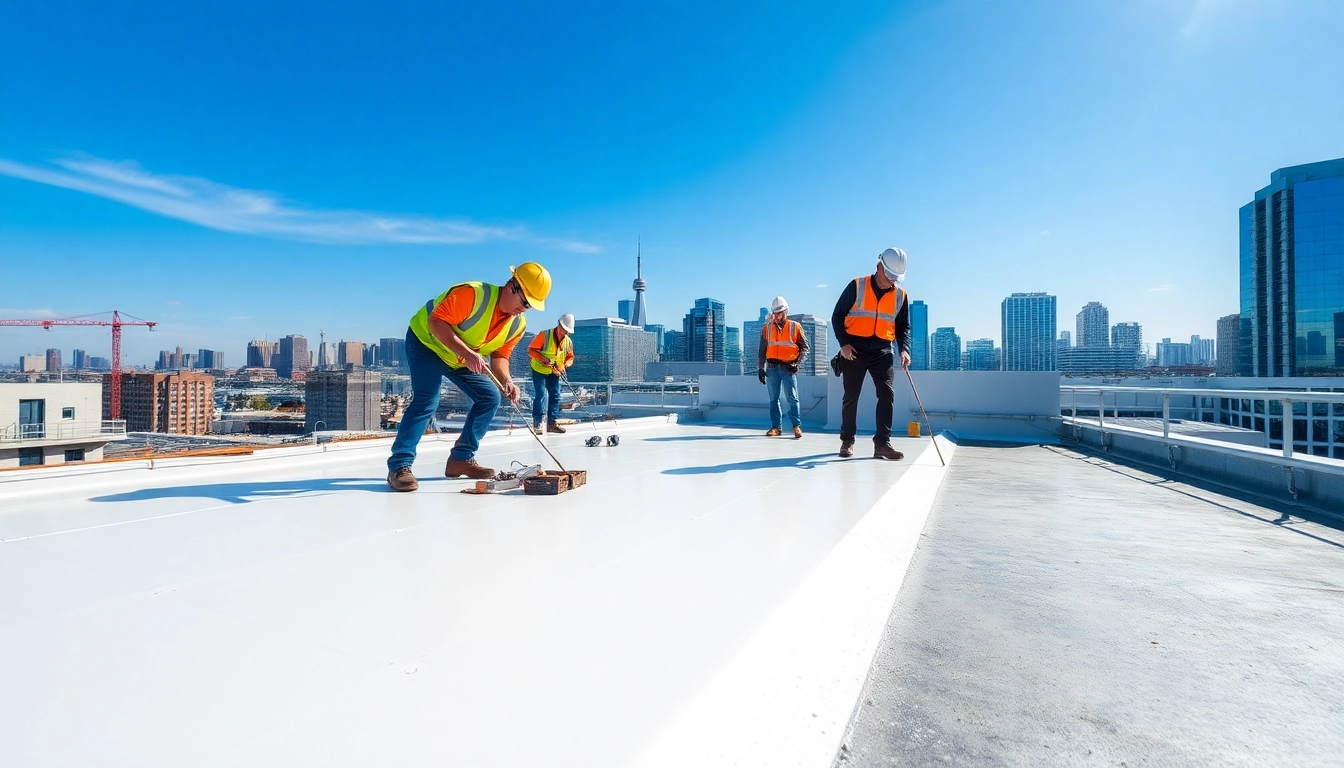
The application of waterproofing systems varies based on the material used but generally follows a systematic approach:
- Prepare the surface: Ensure the roof is clean, dry, and free from contaminants.
- Apply primer: If required, apply a primer to enhance adhesion.
- Install the waterproofing membrane: This can be done via rolling out sheets or applying liquid coatings as specified. Ensure even application according to manufacturer instructions.
- Detect and repair seams: Seams and overlaps should be treated with sealants or additional coating as required to prevent leakage.
- Conduct a quality check: After application, inspect for completeness, uniformity, and any missed areas that require touch-up.
Safety Precautions During Installation
Safety should always be a priority during any roofing project. Workers should be equipped with proper personal protective equipment (PPE), including helmets, gloves, and fall protection gear. Since many waterproofing materials may present hazards if inhaled or contacted, it's essential to follow safety guidelines outlined by the manufacturers and local regulations. Additionally, proper safety training should be conducted for all personnel involved in the application process.
Maintaining Your Waterproofed Roof
Regular Inspection and Maintenance Tips
Maintaining a waterproofed roof is vital to extending its lifespan and ensuring ongoing protection. Regular inspections should be scheduled at least twice annually, particularly after significant weather events. Maintenance tasks can include cleaning gutters, checking for dirt accumulation, and ensuring drainage systems are functioning correctly. Keeping an eye on the roof's condition allows for early detection of potential issues before they evolve into major repairs.
Signs of Water Damage to Watch
Being vigilant about signs of water damage is critical in preventing bigger problems from developing. Look for water stains on ceilings, peeling paint, or warped materials within the building. On the roof itself, visible leaks or unusual ponding in some areas may indicate failure in the waterproofing. It’s advisable to address these concerns as soon as they are observed to mitigate further damage.
Repair Strategies for Common Issues
In some instances, waterproofed roofs may develop issues despite well-planned applications. Common repair strategies include:
- Patch Repairs: For localized damage, patching the affected area can be a simple, effective method to restore integrity.
- Re-coating: Applying an additional layer of waterproof coating may reestablish protective qualities across broader areas showing wear.
- Complete Replacement: In cases of widespread failure, it may be more cost-effective to replace the entire waterproofing system.
Evaluating the Effectiveness of Commercial Roof Waterproofing
Key Performance Indicators to Measure Success
Quantifying the effectiveness of a waterproofing project can be accomplished through various key performance indicators (KPIs). These include:
- Leak Incidence: A reduction in leaks post-application indicates success.
- Maintenance Costs: Tracking annual repair costs can illustrate the financial benefits of effective waterproofing.
- Building Energy Efficiency: Improvements in energy consumption reflect better thermal performance from the waterproofing method employed.
Benefits of Investing in Waterproofing Solutions
Investing in quality waterproofing solutions come with numerous benefits. They can significantly extend the lifespan of the roof, enhance property value, and contribute to improved energy efficiency. Furthermore, by reducing the risk associated with water damage, owners can spend less on repairs and create a healthier indoor environment.
Case Studies of Successful Waterproofing Projects
Real-world examples of successful waterproofing projects reinforce the importance of effective techniques. For instance, businesses that adopted liquid applied roofing systems reported substantial reductions in maintenance costs, along with better energy performance and reduced water intrusion complaints. These successes underscore the necessity of applying the right materials and methodologies while emphasizing the need for consistent maintenance.