
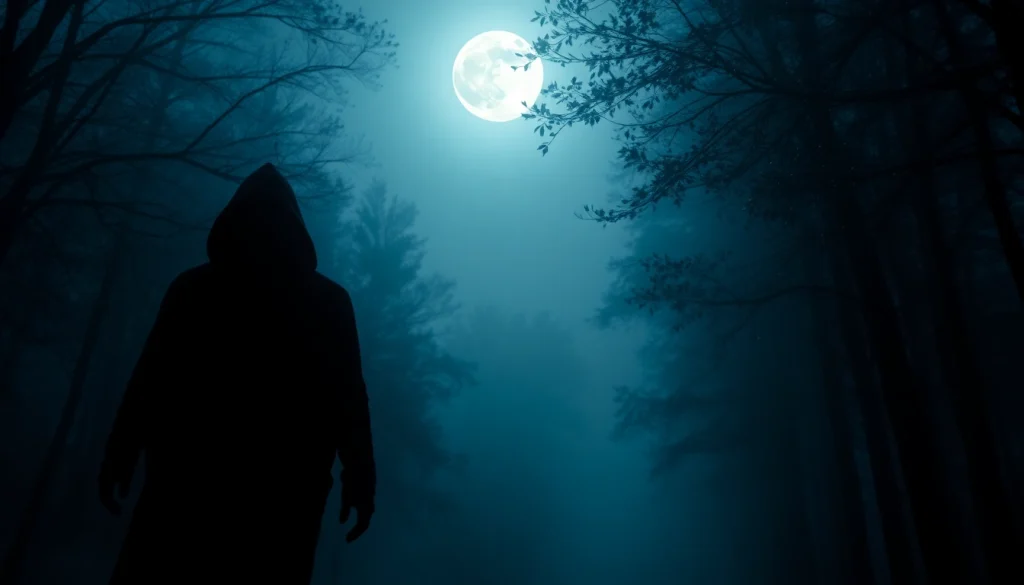
Understanding the Essence of Thriller
The term Thriller conjures up a plethora of images and sensations, encapsulating the very essence of suspense, excitement, and tension. It evokes not just the genre in literature and film but also iconic cultural moments that have shaped entertainment history. To truly appreciate what makes a thriller captivating, we first need to refine our understanding of the genre itself and the key elements that contribute to its alluring mystery.
What Defines a Thriller?
A thriller can generally be defined as a narrative designed to provoke intense excitement and suspense. This genre often places its characters in perilous situations, leading to heightened emotions and expectations from the audience. Unlike other genres, thrillers operate on a delicate balance of exposition, climax, and resolution, twisting narrative elements to keep audiences guessing until the very end.
Key Elements of Thrilling Narratives
To create a successful thriller, writers and creators often rely on various elements that elicit strong emotional responses. Here are some of the key components:
- Complex Characters: Thrillers often feature multi-dimensional characters, including protagonists, antagonists, and supporting roles, each with their own motives and backstories.
- High Stakes: With characters facing significant risks, whether personal, professional, or existential, the tension escalates, keeping the audience on the edge of their seats.
- Plot Twists: Unexpected developments and revelations within the storyline disorient the audience’s expectations, creating a sense of unpredictability.
- Atmospheric Settings: The environments in which the narrative unfolds, often shadowy and claustrophobic, amplify the tension and emotional stakes involved.
The Role of Suspense in Thrilling Experiences
Suspense serves as the backbone of any thriller, a tool through which the audience experiences anticipatory anxiety. Writers build suspense through careful pacing, cliffhangers, and foreshadowing. By controlling the flow of information and timing of reveals, creators manipulate audience emotions, driving them to invest emotionally in the outcome.
Thriller in Music History
The impact of Thriller extends well beyond narrative forms; it profoundly influenced the music industry and popular culture. The blending of music with suspense, imagery, and spectacle has created memorable moments and lasting legacies.
The Legacy of Iconic Albums
One of the most defining albums in music history is undoubtedly Michael Jackson’s “Thriller,” which transformed the landscape of pop music. Released in the early 1980s, this record not only dominated the charts but also established new artistic standards for music videos. It melded captivating storytelling with innovative visuals, setting a precedent for artists globally.
How Thriller Shaped 80s Music Trends
The release of “Thriller” coincided with a broader cultural shift towards theatrical music presentations. Jackson’s ability to merge genres and create compelling narratives within his songs inspired a plethora of artists to adopt storytelling as a foundational element of their music, influencing pop, rock, and hip-hop realms alike.
The Influence of Thriller on Contemporary Artists
Even decades later, “Thriller’s” legacy continues as emerging artists draw on its influence to craft their narratives. Musicians learn from Jackson’s cinematic approach to music videos, integrating complex story arcs that breathe life into their songs while keeping the thrill alive for listeners eager for excitement.
Exploring Film and Literary Thrillers
The genre of thriller has flourished across both film and literature, demonstrating its adaptability and varied interpretations that cater to different audiences. Thrillers, whether in books or films, serve as a reflection of societal fears, desires, and moral dilemmas.
Notable Thrillers in Cinema History
Throughout cinematic history, thrillers have become synonymous with edge-of-your-seat storytelling. Classics such as “Psycho” and “Silence of the Lambs” illustrate the genre’s capacity to delve into the psyche of both characters and audiences. These films not only entertained but also explored the darker aspects of human nature, provoking deep thought and discussion.
The Evolution of Thriller Genres in Literature
Similarly, literary thrillers have evolved, branching into sub-genres such as psychological thrillers, crime thrillers, and legal thrillers. Every sub-genre reflects different societal anxieties and cultural contexts, often enriching the narrative landscape for readers who crave complexity and depth.
How Thrillers Impact Audience Engagement
Whether through shocking plot twists or relatable characters, thrillers engage audiences by provoking emotional and cognitive responses. This engagement often establishes lasting connections to characters and storylines, resulting in a loyal audience base eagerly awaiting sequels or adaptations.
Thrillers in Popular Media
In today’s media landscape, the thrillers we engage with extend beyond traditional formats into new mediums, demonstrating the genre’s versatility and appeal. From streaming platforms to social media, thrillers have permeated popular culture and entertainment in exciting new ways.
The Proliferation of Thriller Series and Films
With the rise of streaming services, thriller series have proliferated, catering to an audience hungry for suspenseful narratives. The convenience of binge-watching allows viewers to immerse themselves fully in thrilling plots, raising the stakes and engagement levels with each episode.
Thrilling Plot Devices in Television Shows
Television thrillers often utilize plot devices such as unreliable narrators, flashbacks, and multiple perspectives to create intricate narratives that captivate viewers. Shows like “Breaking Bad” and “The Killing” exemplify how complex storytelling can elevate the viewing experience, keeping audiences glued to their screens.
Engaging the Audience: Interactive Thrillers
The advent of interactive media has introduced an innovative realm for thrillers. Video games and interactive films allow audiences to participate actively in the narrative, making choices that influence plot outcomes. This immersive experience enhances engagement, transforming passive viewers into active participants in their thrilling journeys.
Tips for Crafting Your Own Thriller
For aspiring writers and creators hoping to delve into the world of thriller narratives, here are essential tips to consider when developing your masterpiece.
Developing Compelling Characters for Thrillers
Your characters should be more than mere devices to drive the plot; they must be fleshed-out individuals with relatable motives and internal conflicts. Consider incorporating backstories that inform their choices and add depth while ensuring they experience growth throughout the narrative.
Building Suspenseful Plot Structures
Effective suspense builds gradually. Plan your plot meticulously, using strategic cliffhangers and pacing to keep readers engaged. Introduce red herrings, misdirection, and tension-filled scenarios that lead the audience down twists and turns before revealing the ultimate conclusion.
Techniques for Maintaining Reader Engagement
To keep readers invested in your thriller, utilize methods like character-driven storytelling, dynamic dialogue, and immersive settings. Writing with a clear emotional arc allows readers to connect with the characters, experiencing their triumphs and challenges intimately.