
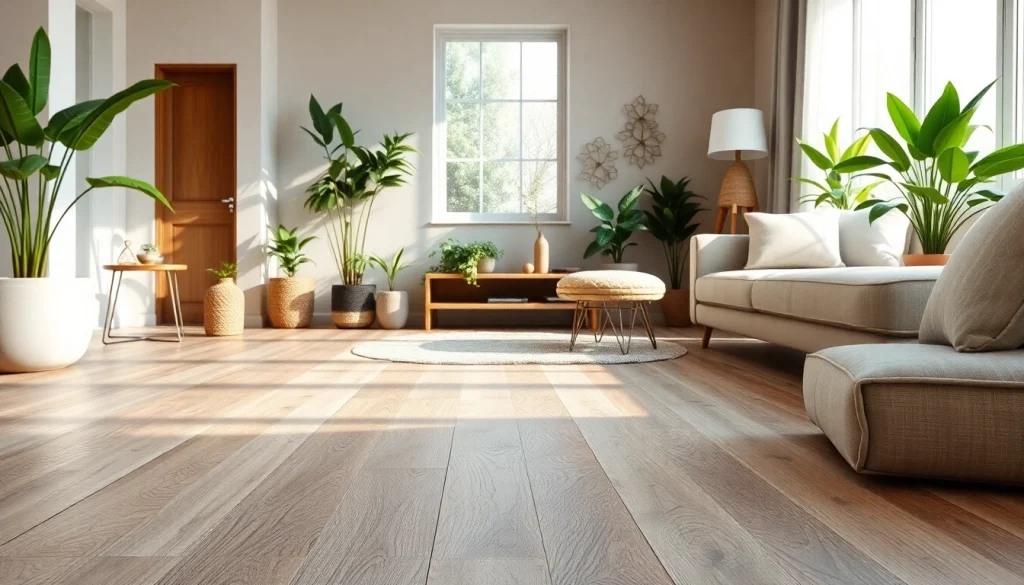
Understanding Vinyl Flooring Basics
What is Vinyl Flooring?
Vinyl flooring is a synthetic flooring alternative crafted primarily from polyvinyl chloride (PVC) and other materials that allows for durable, water-resistant, and versatile flooring solutions. Its popularity has surged in recent years due to advancements in design technology, enabling homeowners to achieve beautiful aesthetics reminiscent of natural flooring materials like hardwood or stone, without the associated cost and maintenance. Different styles such as luxury vinyl plank (LVP) or luxury vinyl tile (LVT) offer a range of options suitable for any décor. With vinyl flooring, you can transform any space aesthetically and functionally.
Key Advantages of Vinyl Flooring
Vinyl flooring boasts numerous advantages that make it an attractive option for homeowners:
- Durability: Resistant to scratches and stains, vinyl flooring is suitable for high-traffic areas and homes with pets.
- Water Resistance: Ideal for moisture-prone areas like kitchens and bathrooms, vinyl flooring prevents water damage.
- Comfort: Softer underfoot than tile or hardwood, vinyl flooring adds comfort, especially in residential environments.
- Cost-Effectiveness: Generally less expensive than hardwood or marble, it offers similar aesthetics without breaking the bank.
- Variety of Designs: Available in an array of colors and styles, vinyl flooring can suit any interior design preference.
Different Types of Vinyl Flooring
Vinyl flooring comes in several forms, each tailored for different applications and preferences:
- Luxury Vinyl Plank (LVP): Mimics the look of hardwood, often through printed designs that can exactly replicate wood grain textures.
- Luxury Vinyl Tile (LVT): Designed to resemble natural stones and tiles, LVT is often used in spaces requiring a more upscale look.
- Sheet Vinyl: Comes in large rolls, making it perfect for large areas as it minimizes seams and potential water infiltration.
Selecting the Right Vinyl Flooring
How to Choose Based on Room Function
Choosing the right vinyl flooring extends beyond aesthetics; it involves selecting options suitable for the intended room use. For example, in kitchens and bathrooms where spills are common, a water-resistant variant like LVP or LVT is ideal. Conversely, areas like bedrooms or living areas might benefit from the warmth and comfort offered by softer sheet vinyl. Understanding the specific needs of each room helps in making an informed selection.
Factors to Consider for Durability
The durability of vinyl flooring is influenced by several factors:
- Wear Layer Thickness: A thicker wear layer offers better protection against scratches and dents, prolonging the lifespan of the flooring.
- Quality of the Product: Higher-quality vinyl typically has better resistance to damage and wear, justifying a potentially higher upfront investment.
- Installation Method: Proper installation techniques will enhance the floor’s durability. Options include glue-down, interlocking, or loose lay vinyl.
Design Options for Every Taste
One of the most attractive aspects of vinyl flooring is the vast array of design options available. From sleek, modern styles with clean lines to rustic designs mimicking reclaimed wood, there is a vinyl floor that fits every taste. Customizable patterns and colors allow for personal expression, enabling homeowners to create a unique atmosphere in any room. Whether you prefer an understated elegance or a bold statement piece, the world of vinyl flooring has something to offer everyone.
Installation Process for Vinyl Flooring
Preparation: What You Need to Know
Before diving into installation, proper preparation is crucial. The installation site should be clean, dry, and level. Begin by removing any existing flooring and ensuring the subfloor is even. Moisture issues should be addressed before laying down vinyl flooring, as excess moisture can lead to mold or degradation of the material. Having the right tools ready, including utility knives, measuring tapes, and adhesive (if necessary), helps streamline the installation process.
DIY Installation vs. Hiring Professionals
Deciding between a DIY installation and hiring professionals typically boils down to skill level and comfort working with flooring materials. For those comfortable with home improvement tasks, vinyl flooring is relatively simple to install and can save on labor costs. However, hiring professionals can ensure a perfect fit and finish, particularly for more complex layouts or high-quality products that deserve expert handling. Assess your skills realistically to make the best choice.
Common Mistakes to Avoid During Installation
To achieve a flawless installation, be aware of common pitfalls such as:
- Neglecting the Subfloor: A poorly prepared subfloor can lead to uneven surfaces and premature wear of the flooring material.
- Improper Acclimation: Failing to acclimate the vinyl flooring to the room temperature and humidity can lead to expansion and contraction post-installation.
- Skipping Expansion Gaps: Not leaving enough gap for expansion in areas where fluctuations in temperature will occur can lead to buckling.
Maintenance Tips for Longevity
Daily Care Routine for Vinyl Flooring
Maintaining vinyl flooring is straightforward and can be done with minimal effort. Regular sweeping or vacuuming to remove dirt and debris is essential, while mopping with a damp mop using a mild cleaner suited for vinyl can keep it looking fresh. Avoid harsh chemicals and abrasive cleaners that can damage the floor’s surface.
Repairing Scratches and Dents
Minor scratches can often be resolved with a mix of warm water and soap, applied gently. For deeper scratches or dents, consider using a vinyl repair kit, which includes materials specifically designed to repair such damage. If the flooring has sustained significant wear, it may be wise to consider partial replacement of the affected areas.
When to Refinish or Replace
Knowing when to refinish or replace vinyl flooring can save time and money. Generally, if you see significant damage, discoloration, or repeated issues with scratches, it may be time for a replacement. Unlike hardwood, vinyl cannot be sanded or refinished, but good maintenance practices can lead to a long lifespan. Typically, expect vinyl flooring to last between 10 to 20 years, making regular assessment of its condition essential.
Frequently Asked Questions about Vinyl Flooring
Is vinyl flooring waterproof?
Most vinyl flooring is water-resistant, and many brands also offer waterproof options, making them suitable for moisture-prone areas like bathrooms and kitchens.
How long does vinyl flooring typically last?
With proper care and maintenance, high-quality vinyl flooring can last anywhere from 10 to 20 years, depending on the type and usage.
Can I install vinyl flooring over existing floors?
Yes, vinyl flooring can generally be installed over existing floor coverings, provided they are smooth, clean, and stable to avoid any unevenness.
What cleaning products are safe for vinyl flooring?
Use gentle cleaners specifically designed for vinyl flooring. Avoid harsh chemicals and abrasive tools that can scratch or damage the surface.
Is vinyl flooring a more sustainable option?
Vinyl flooring can be a sustainable choice, especially if it features recycled materials and low-VOC emissions. Always check for sustainability certifications when choosing products.