
Smart Home Technology Guide: Make Your Home Smarter and Safer
The idea of a connected living space has moved from science fiction to everyday reality. Homes today are no longer passive structures but dynamic environments that respond to their occupants. Smart Home technology has become a defining feature of modern living, offering improved comfort, enhanced safety, and greater control over daily routines. As digital innovation accelerates, homeowners are increasingly adopting intelligent systems that simplify life while adding meaningful value.
A Smart Home brings together technology, automation, and connectivity to create a unified ecosystem. Devices communicate with each other through networks, allowing actions to be triggered automatically or controlled remotely. From adjusting temperature settings to monitoring security while away, these systems redefine convenience. However, understanding how smart home technology works is essential to making informed choices that align with both lifestyle needs and long-term goals.
This comprehensive guide by Deep Dive Picks examines the fundamentals of Smart Home technology, its core components, security benefits, energy efficiency advantages, and future developments. Designed for readers seeking clarity and expertise, this article provides a deep dive into how smart homes function and how to build one effectively and safely.
- What Is Smart Home Technology?
- Core Elements of a Smart Home System
- Smart Home Security and Protection
- Energy Efficiency and Resource Management
- Privacy and Cybersecurity in Smart Homes
- Scalability and Long-Term Planning
- Artificial Intelligence and Automation
- Emerging Trends in Smart Home Technology
- Conclusion
- Frequently Asked Questions
What Is Smart Home Technology?
Smart Home technology refers to a network of connected devices and systems designed to automate, monitor, and control various household functions. These devices use internet connectivity, sensors, and software platforms to interact with each other and with the homeowner. The result is a living space that can respond intelligently to changing conditions and user preferences.
Unlike traditional home automation, which often required complex wiring and professional installation, modern smart home systems are more accessible. Wireless connectivity and cloud-based platforms allow homeowners to start small and expand gradually. A Smart Home can include lighting, climate control, security systems, entertainment, and even appliances, all managed through a central interface.
The defining characteristic of a Smart Home is integration. Instead of operating independently, devices work together to deliver a seamless experience. This interconnected approach enhances usability, efficiency, and reliability, making daily life more intuitive and responsive.
Core Elements of a Smart Home System
Central Control and Connectivity
At the heart of any Smart Home is a control mechanism that manages communication between devices. This may be a dedicated hub, a mobile application, or a cloud-based platform. Centralized control allows homeowners to adjust settings, create automation routines, and monitor system activity from a single interface.
Reliable connectivity is essential for smooth operation. A stable network ensures that devices respond quickly and accurately. As a Smart Home expands, a well-designed control structure becomes increasingly important for maintaining performance and ease of use.
Smart Lighting Solutions
Lighting systems are often the first step into a Smart Home. Intelligent lighting allows homeowners to control brightness, color temperature, and scheduling remotely. These systems adapt to natural light levels and occupancy, improving both comfort and efficiency.
Beyond convenience, smart lighting enhances security by creating the appearance of occupancy when no one is home. In a Smart Home environment, lighting can work in coordination with sensors and schedules to support both safety and energy savings.
Climate Control and Comfort Management
Temperature regulation is a key component of smart living. Smart thermostats monitor indoor conditions and learn usage patterns over time. In a Smart Home, climate systems adjust automatically based on occupancy, time of day, and external weather conditions.
This intelligent approach reduces energy waste while maintaining comfort. By optimizing heating and cooling cycles, smart climate control systems help homeowners achieve consistent indoor environments without constant manual adjustments.
Smart Home Security and Protection
Surveillance and Monitoring Systems
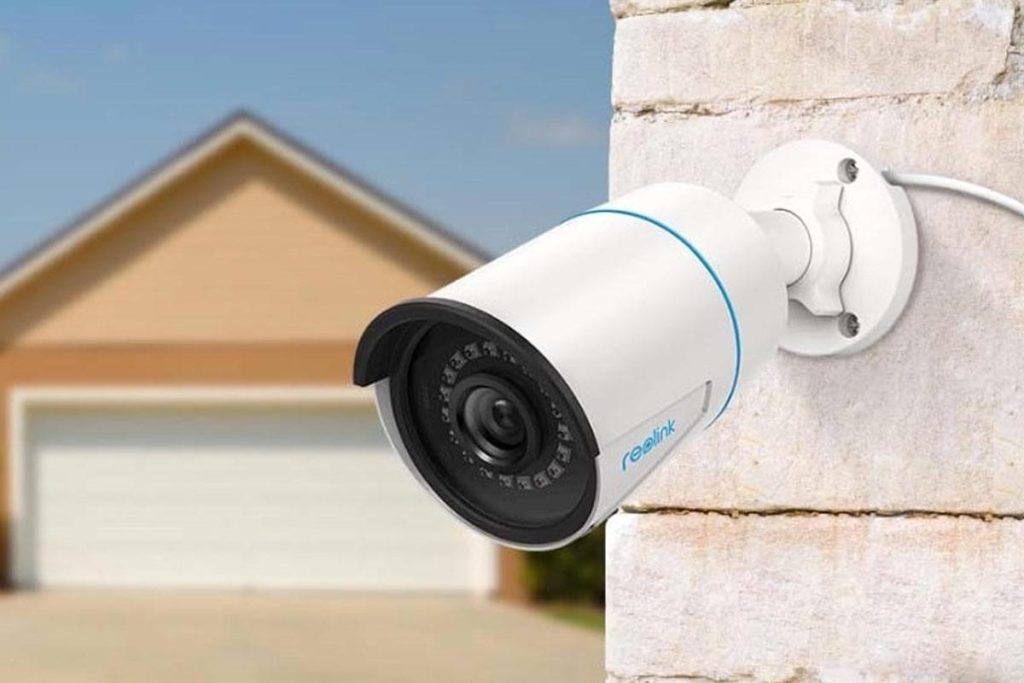
Security is a primary motivation for adopting Smart Home technology. Connected cameras and monitoring systems provide real-time visibility into the home environment. Homeowners can access live feeds, receive alerts, and review activity from anywhere using connected devices.
A Smart Home security setup integrates cameras with motion sensors and alarms to create layered protection. This combination ensures faster response times and improved awareness of potential threats.
Smart Locks and Access Management
Access control has evolved significantly with smart technology. Smart locks allow homeowners to manage entry permissions digitally, eliminating the need for physical keys. In a Smart Home, access can be granted temporarily, revoked instantly, and monitored through activity logs.
This level of control enhances safety and convenience, particularly for families, rental properties, and frequent travelers. Smart locks also integrate with other systems, enabling automated actions such as disarming alarms upon authorized entry.
Environmental Safety Devices
A Smart Home prioritizes safety beyond intrusion prevention. Smart smoke detectors, carbon monoxide sensors, and gas leak monitors provide early warnings of hazardous conditions. These devices notify homeowners immediately, even when they are away from the property.
When integrated into a Smart Home system, environmental sensors can trigger automated responses such as shutting off utilities or activating ventilation. This proactive approach reduces damage and enhances overall household safety.
Energy Efficiency and Resource Management
Energy optimization is one of the most compelling benefits of a Smart Home. Connected systems provide detailed insights into consumption patterns, allowing homeowners to identify inefficiencies. Smart plugs, lighting, and climate controls work together to minimize unnecessary energy use.
A Smart Home adjusts energy usage dynamically based on occupancy and environmental conditions. Over time, these optimizations lead to reduced utility costs and a smaller environmental footprint. For homeowners seeking sustainable living solutions, smart technology offers a practical and measurable impact.
Privacy and Cybersecurity in Smart Homes
As Smart Home adoption grows, privacy and cybersecurity have become critical considerations. Connected devices rely on data to function effectively, which makes them potential targets if not properly secured. Weak authentication or outdated software can expose systems to unauthorized access.
Protecting a Smart Home requires a proactive approach that includes regular updates, secure passwords, and network segmentation. Choosing reputable devices with strong security practices also plays a vital role in safeguarding personal information.
A secure Smart Home balances innovation with responsibility. By prioritizing cybersecurity, homeowners can enjoy the benefits of smart technology without compromising privacy or safety.
Scalability and Long-Term Planning
One of the strengths of Smart Home technology is scalability. Homeowners can begin with basic automation and expand their systems as needs evolve. Successful scalability depends on selecting compatible platforms that support future growth.
Planning for expansion ensures that a Smart Home remains adaptable as new technologies emerge. Integration-friendly systems allow homeowners to add devices without disrupting existing setups, preserving both functionality and investment value.
Artificial Intelligence and Automation
Artificial intelligence enhances the intelligence of a Smart Home by enabling learning and adaptation. AI-driven systems analyze user behavior to predict preferences and automate routines. Over time, the system becomes more intuitive, reducing the need for manual input.
In a Smart Home, AI can optimize energy usage, improve security responses, and personalize comfort settings. This adaptive capability represents a significant step forward in creating living spaces that truly respond to human needs.
Emerging Trends in Smart Home Technology
The future of Smart Home technology is shaped by improved interoperability, stronger security frameworks, and greater reliance on local processing. Standardization efforts are making it easier for devices from different manufacturers to work together seamlessly.
Advances in artificial intelligence and edge computing will further enhance performance and privacy. As these trends continue, the Smart Home will become more efficient, reliable, and user-centric, reinforcing its role as a cornerstone of modern living.
Conclusion
Smart Home technology has fundamentally changed how people interact with their living spaces. By combining automation, connectivity, and intelligent design, smart homes deliver enhanced comfort, improved safety, and greater efficiency. However, realizing these benefits requires thoughtful planning, informed decision-making, and a focus on long-term scalability and security.
A Smart Home is more than a collection of connected devices. It is an integrated ecosystem designed to adapt to daily life while protecting occupants and resources. With the right approach, smart home technology becomes a powerful tool that enhances quality of life and future-proofs the modern home. Deep Dive Picks remains committed to providing expert insights that help homeowners navigate this evolving landscape with confidence. Discover additional details on our homepage.
Frequently Asked Questions
What makes a home a smart home?
A Smart Home is defined by connected devices that automate tasks, respond to user behavior, and can be controlled remotely. Integration and intelligent automation are key characteristics.
Is smart home technology safe to use?
Smart Home technology is safe when proper security measures are followed. Regular updates, strong passwords, and secure networks significantly reduce potential risks.
Can smart homes reduce energy costs?
Yes, a Smart Home can lower energy expenses by optimizing lighting, heating, and appliance usage based on real-time conditions and occupancy.
Do smart homes require professional installation?
Many Smart Home devices are designed for easy installation. While advanced systems may benefit from professional setup, most solutions are accessible to everyday users.
Are smart homes suitable for long-term use?
Smart Home systems are scalable and adaptable, making them suitable for long-term use. With proper planning, they can evolve alongside new technologies and changing needs.