
Understanding Raw Loofah
What is Raw Loofah?
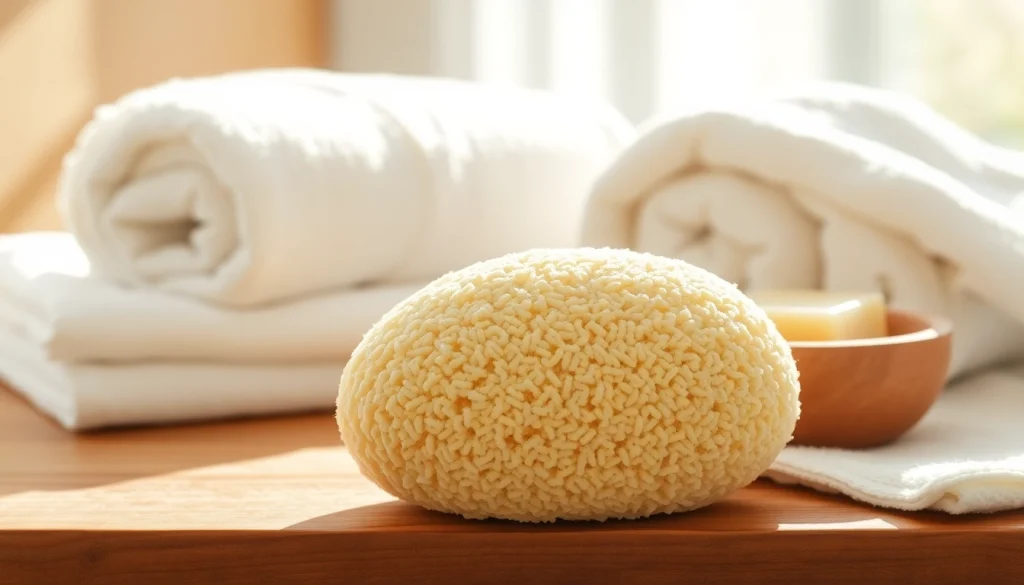
Raw loofah, often confused with synthetic sponges, is derived from the fibrous interior of the loofah gourd (Luffa aegyptiaca), a plant in the cucumber family. This natural exfoliating product is harvested when the gourd is ripe and then dried to remove its flesh, leaving a porous sponge-like structure. In its raw state, loofah boasts a rugged texture that makes it ideal for various applications, particularly in skincare and household cleaning. Its natural origin not only benefits the environment but also provides a gentle and effective way to remove dead skin and promote healthier skin renewal.
Benefits of Using Raw Loofah
The use of raw loofah comes with an array of benefits. Firstly, it acts as a natural exfoliant, aiding in the removal of dead skin cells, which helps to prevent clogged pores and encourages skin renewal for a smoother, more radiant complexion. Additionally, using a loofah can stimulate blood circulation, thereby enhancing the overall health and vitality of the skin.
Beyond skincare, raw loofah is eco-friendly and biodegradable, making it a fantastic alternative to synthetic sponges. It can also be used for cleaning purposes, offering a sustainable option for scrubbing dishes or surfaces without the adverse effects on the environment. Furthermore, with proper care, loofah can last a long time, making it a cost-effective solution.
How to Select Quality Raw Loofah
When selecting quality raw loofah, there are a few key factors to consider. First, inspect the texture. The loofah should be firm yet pliable, indicating a healthy, robust sponge. A high-quality loofah typically has a natural color, ranging from beige to light yellow. Avoid any that appear overly dark or have signs of mold or damage. Additionally, ensure that the loofah is free from any chemical treatments or added fragrances, which can irritate the skin. Lastly, consider purchasing from reputable sources that specialize in natural products to ensure you’re getting a genuinely high-quality loofah. For those interested in learning how to use raw loofah, selecting the right product is the first step.
Preparing Raw Loofah for Use
Cleaning Your Raw Loofah
Before using raw loofah, it’s crucial to prepare it properly. Start by thoroughly rinsing your loofah under warm water to remove any dust or debris that may have accumulated during shipping or storage. This initial rinse also encourages the fibers to soften, making the loofah more effective for exfoliation later on. For added cleanliness, soak the loofah in a solution of warm water and vinegar for about 15-20 minutes. This will help to sanitize the sponge and remove any residual odors. After soaking, rinse it with fresh water again to remove any vinegar scent.
Soaking Techniques for Optimal Use
Soaking your loofah is essential for maximizing its effectiveness and comfort. The ideal soaking time is between 10-30 minutes in warm water. This helps to expand the fibers, turning the loofah into a softer and more flexible tool for exfoliation. You can enhance the experience by adding a few drops of essential oils such as lavender or eucalyptus to the soaking water for a soothing aromatherapy experience. Remember to not leave the loofah soaking for too long, as it can become too soft and lose some of its exfoliating properties.
Drying and Storing Raw Loofah
Once you’ve used your loofah, it’s vital to ensure it dries properly to prevent mold and bacteria growth. After each use, rinse the loofah thoroughly under warm water and then squeeze out excess moisture. Place it in a well-ventilated area to dry completely — hanging it in an open space is ideal. Avoid storing it in closed or humid environments, as this can promote fungal growth.
When it comes to storing your loofah for longer periods, consider placing it in a breathable pouch or basket to ensure airflow. If you notice any unpleasant smells or discoloration during storage, it’s time to clean or replace your loofah.
How to Use Raw Loofah for Exfoliation
Step-by-Step Guide to Exfoliating
Using a raw loofah for exfoliation is straightforward and effective. Begin by preparing your skin: take a warm shower or bath to open up your pores. While your skin is still damp, gently massage the moistened loofah on the body in circular motions. Focus on rough areas such as elbows, knees, and feet, but avoid areas with sensitive skin or any open wounds. Aim for about 5-10 minutes of exfoliation for optimal effects.
Rinse your body after exfoliating to remove the dead skin cells and follow up with a moisturizer to hydrate your skin. This will not only keep your skin smooth but also help to lock in moisture that might be lost during the exfoliation process. Make this a weekly ritual to maintain healthy, glowing skin.
Best Practices for Skin Types
Different skin types may require varying approaches when using raw loofah. For those with oily or normal skin, weekly exfoliation can work wonders to prevent breakouts and keep skin smooth. However, if you have sensitive or dry skin, reduce exfoliation frequency to once every two weeks and use a lighter hand to avoid irritation. It’s also advisable to incorporate natural oils or butters post-exfoliation for hydration.
For individuals with acne-prone skin, be cautious to avoid direct contact with active breakouts or inflammatory areas. Instead, focus on surrounding areas to promote an even skin tone without aggravating existing conditions.
Common Mistakes to Avoid
While raw loofah can offer numerous benefits, there are some common pitfalls to avoid. One mistake is over-exfoliating, which can lead to irritation, redness, and even increased production of oil as the skin tries to compensate. Ensure you’re using the loofah with the correct technique, as scrubbing too hard can damage your skin. Also, avoid using a loofah on open wounds or broken skin, as this can lead to infections and discomfort.
Lastly, neglecting the cleaning process can cause bacteria to thrive on your loofah sponge, which can be counterproductive to your skincare goals. Always remember to rinse and dry it thoroughly after each use.
Integrating Raw Loofah into Your Routine
Daily Skincare Routine Inclusion
Incorporating raw loofah into your daily skincare routine can elevate your regimen significantly. Since exfoliation is essential for skin health, consider using your loofah in the shower twice a week. Pairing loofah exfoliation with a nourishing body wash can create an effective cleaning and exfoliating experience that leaves your skin brighter and revitalized.
You may also wish to complement your loofah use with body scrubs or natural soaps, maximizing the benefits of exfoliation while introducing additional hydration. Always ensure that your post-exfoliation routine includes applying a moisturizer or lotion to keep your skin supple and hydrated.
Combining with Natural Products
Partnering raw loofah with natural products enhances its efficacy. Incorporating essential oils can amplify therapeutic benefits, such as stress relief and relaxation. Consider using exfoliating scrubs that utilize natural ingredients such as sugar, coffee grounds, or sea salt along with your loofah to achieve the best results.
Moreover, using natural, organic body washes or soaps can prevent skin irritation and maintain a healthy skin barrier while you exfoliate, allowing you to create a harmonious skincare regimen.
Timing and Frequency of Use
Finding the right time and frequency to use your raw loofah is key to achieving optimal results. For most skin types, a weekly exfoliation session is sufficient to promote healthy skin without irritation. If you notice excessive dryness or sensitivity, consider reducing the frequency to bi-weekly. Timing can also depend on your personal skincare schedule; some prefer exfoliating in the evening to allow skin to recover overnight, while others enjoy fresh, revitalized skin in the morning.
Whatever the timing, listen to your skin’s unique needs and adjust accordingly to ensure thriving, healthy skin.
Maintenance and Care of Raw Loofah
How to Keep Your Loofah Clean
Regular maintenance of your raw loofah is crucial to keep it safe and effective for use. After each exfoliating session, make sure to rinse the loofah thoroughly under warm water to remove any trapped soap, dead skin cells, and impurities. Following the rinse, it should be sanitized once a week by soaking in a mixture of warm water and vinegar. After soaking, do a final rinse and allow it to air dry completely.
In addition to weekly cleaning, keeping your loofah out of the shower while not in use can help it dry faster and minimize bacteria growth.
Replacing Your Raw Loofah
Raw loofahs are designed to be long-lasting with proper care; however, they do need to be replaced periodically. Look for signs such as excessive fraying, discoloration, or a persistent unpleasant odor to determine if it’s time for a new loofah. Typically, you can expect to replace your loofah every 3-4 months, depending on usage and care.
Regularly assessing the condition of your loofah helps ensure that you are maintaining an effective and hygienic exfoliating practice.
Eco-Friendly Disposal Options
When it comes to disposing of your old loofah, rest assured it is an environmentally friendly option. Since raw loofah is 100% biodegradable, you can compost it or toss it into your organic waste if local regulations permit. If you’re composting, ensure it is cut into smaller pieces to speed up decomposition. Avoid throwing it in the general waste bin to support sustainability and reduce landfill waste.
Choosing to dispose of your loofah responsibly is an excellent way to align your skincare practices with eco-friendly principles.
FAQs
1. How often should I use a raw loofah?
For most skin types, using a raw loofah 1-2 times a week is ideal. Adjust based on your skin’s response.
2. Can I use raw loofah on sensitive skin?
Yes, but use it gently and less frequently. Consider patch testing on a small area first.
3. How do I clean my raw loofah?
Rinse it under warm water after use, soak weekly in vinegar-water, and ensure it dries out completely.
4. How do I know when to replace my loofah?
Replace your loofah if it shows fraying, discoloration, or if it retains an odor after cleaning.
5. Is raw loofah biodegradable?
Yes, raw loofah is 100% biodegradable, making it an eco-friendly alternative to synthetic sponges.