
Understanding the Importance of Cleaning a Loofah
Why Regular Cleaning is Essential
A loofah can be an excellent tool for exfoliating your skin, but without proper maintenance, it can harbor bacteria, mold, and mildew. Regular cleaning is not just a matter of hygiene; it significantly impacts your skin’s health and overall bathing experience. This article will guide you through how to clean a loofah effectively and maintain its integrity.
Health Risks of a Dirty Loofah
Dirty loofahs can be a breeding ground for harmful microorganisms. When used on the skin, they can transfer bacteria and fungus, leading to skin infections, rashes, and other complications. Studies have shown that loofahs can host a multitude of bacteria, including E. coli and Staphylococcus. Hence, neglecting to clean your loofah can pose serious health risks.
Signs Your Loofah Needs Cleaning
It can often be hard to determine when your loofah is due for a clean. Yet, several signs can help you decide:
- Foul Odor: An unpleasant smell often signifies a buildup of bacteria.
- Discoloration: Any change in color may indicate mold or mildew growth.
- Texture Changes: A loofah should feel firm and resilient. If it feels slimy or mushy, it’s time to clean or replace it.
How to Clean a Loofah Naturally: Step-by-Step Guide
Materials Needed for Natural Cleaning
Cleaning your loofah naturally can be done with simple household items. You’ll need:
- White vinegar
- Baking soda
- Warm water
- A clean basin or sink
- A soft brush (optional)
Simple Cleaning Techniques Using Vinegar
White vinegar is an excellent natural disinfectant. To clean your loofah using vinegar, follow these steps:
- Fill a basin with equal parts water and vinegar.
- Submerge the loofah in the solution for about 30 minutes.
- Gently scrub with your fingers or a soft brush if needed.
- Rinse thoroughly with warm water and let it air dry in a well-ventilated area.
Baking Soda: An Effective Cleaning Agent
Baking soda is another natural cleaning agent that effectively removes odors and buildup. Here’s a simple method to use baking soda:
- In a small bowl, mix a couple of tablespoons of baking soda with warm water to create a paste.
- Apply the paste to the loofah and rub gently.
- Allow it to sit for about 10 minutes, then rinse thoroughly with warm water.
Best Practices for Loofah Maintenance
How Often Should You Clean a Loofah?
To maintain optimal hygiene, aim to clean your loofah at least once a week. If used daily, consider soaking it in a disinfecting solution more frequently. Regular maintenance will help keep bacteria at bay.
Storing Your Loofah Correctly
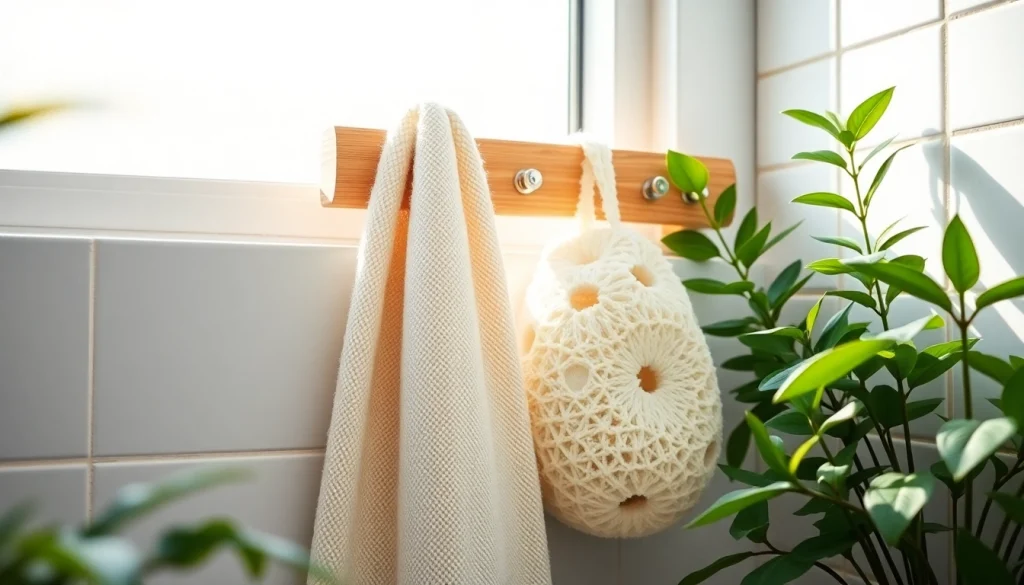
Proper storage is critical for preventing mold growth. After use, always hang your loofah in a dry, well-ventilated area. Avoid closing it in a damp environment or leaving it in the shower for prolonged periods.
Signs of Wear and Tear
Even with proper care, loofahs will eventually wear out. Look for signs such as frayed edges, a persistent odor after cleaning, or significant mold growth, which indicates it’s time to replace your loofah.
Alternative Cleaning Methods
Boiling Water Sanitization
Boiling water is an efficient way to sanitize most loofahs. Simply place the loofah in a pot of boiling water for about 10 minutes. Be sure to let it cool down before handling. This method kills most bacteria and maintains the integrity of your loofah.
Microwave Method for Quick Cleaning
If you’re short on time, use the microwave. Dampen the loofah slightly, place it in a microwave-safe bowl, and heat on high for 1 minute. Make sure it’s not too hot, allowing it to cool before use.
Essential Oils for a Fresh Scent
For added benefits, consider using essential oils after cleaning to give your loofah a refreshing scent. Add a few drops of your favorite essential oil (like lavender or tea tree) to your cleaning mixture, or soak it in water with essential oils for a pleasant aroma.
FAQs About How to Clean a Loofah
How often should I replace my loofah?
It’s recommended to replace your loofah every 3-4 weeks, depending on usage and cleaning practices.
Can I clean a loofah with bleach?
While bleach can sanitize, it’s not recommended as it may cause skin irritation. Natural methods are safer and effective.
Is it safe to share a loofah with someone else?
No, sharing loofahs poses health risks as they can transfer bacteria and fungi between users.
What are the benefits of a natural loofah?
Natural loofahs are biodegradable, a great exfoliant, and free from synthetic chemicals commonly found in synthetic sponges.
Should I dry my loofah after each use?
Yes, allowing your loofah to dry completely after use minimizes mold and bacteria growth, ensuring better hygiene.