
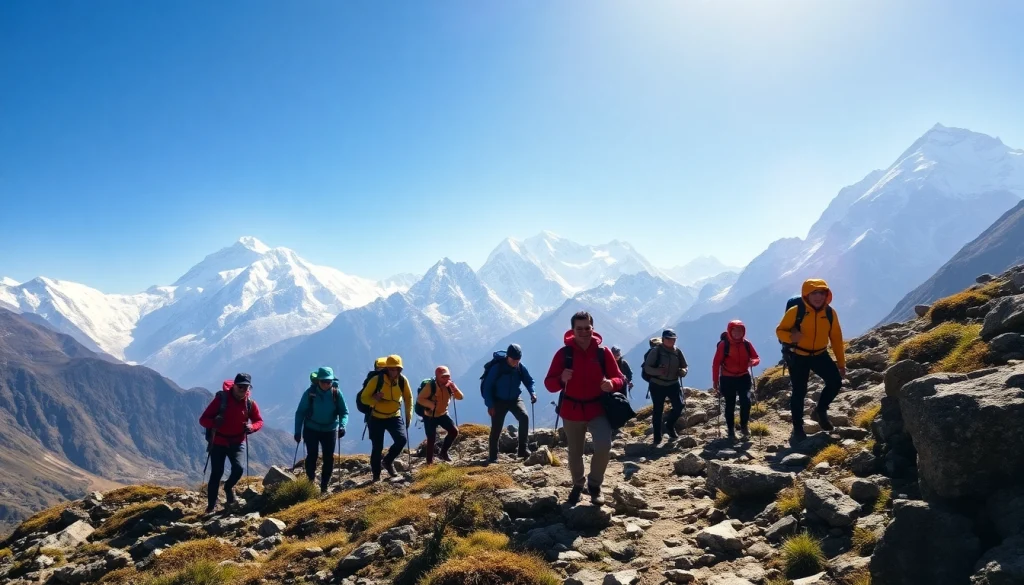
Overview of Manaslu Trekking
The Manaslu Circuit Trek stands as one of the premier trekking experiences in Nepal, offering a captivating mix of natural beauty, rich cultural interactions, and exhilarating challenges. It takes you through remote mountain villages, lush forests, and soaring peaks, all while serving as a less-touristed alternative to the more famous Annapurna Circuit. This trek provides trekkers an opportunity to immerse themselves deeply in the culture and practices of the local communities nestled in the shadows of the majestic Manaslu, the eighth highest mountain in the world. When exploring options, manaslu trekking offers comprehensive insights on routes, preparation, and local customs, ensuring an enriched journey.
What is the Manaslu Circuit Trek?
The Manaslu Circuit Trek is a 15-day expedition traversing the rugged terrain of the Manaslu region, located in the Gorkha district of Nepal. Covering approximately 177 km (110 miles), the trek typically starts at Machha Khola and ends at Dharapani. This adventure takes you through a variety of landscapes, including terraced fields, dense forests, and high mountain passes, with the highlight being the Larkya La Pass at an altitude of 5,160 m (16,930 ft). This trek not only showcases stunning Himalayan vistas but also provides trekkers with a look into the unique traditions and lifestyles of the local Gurung and Tibetan communities.
Key Highlights of the Trek
- Stunning views of Mt. Manaslu and surrounding peaks.
- Rich cultural experiences and interactions with local communities.
- Diverse landscapes, from lush valleys to high altitude deserts.
- Acclimatization days to ensure health and safety.
- Access to less traveled trails offering tranquility and solitude.
Importance of Manaslu in Himalayan Culture
Manaslu holds significant cultural importance in the local Himalayan culture, often revered by the indigenous people as a sacred mountain. The name ‘Manaslu’ means “The Mountain of the Spirit,” and it is regarded as a place where ancient deities reside. The trek provides ample opportunity to witness local customs, including the spiritual practices at monasteries and temples along the route, especially in areas like Samagaon and Lho. These interactions with the local culture not only enrich your trekking experience but also emphasize the importance of preserving these traditions amid modernization.
Manaslu Circuit Trek Itinerary for 2025
Detailed Day-by-Day Itinerary
The following is a breakdown of the planned itinerary for the Manaslu Circuit Trek, structured to facilitate acclimatization and optimal trekking experiences:
- Day 1: Arrival at Tribhuvan International Airport in Kathmandu and transfer to hotel.
- Day 2: Drive to Machha Khola from Kathmandu via Soti Khola by Private Tourist vehicle (8-10 hours).
- Day 3: Trek to Jagat (1,340 m/4,396 ft) from Machha Khola (6-7 hours).
- Day 4: Trek to Deng (1,860 m/6,102 ft) from Jagat (6-7 hours).
- Day 5: Trek to Namrung (2,630 m/8,629 ft) from Deng (7-8 hours).
- Day 6: Trek to Lho (3,180 m/10,433 ft) from Namrung (3-4 hours).
- Day 7: Trek to Samagaon (3,520 m/11,549 ft) from Lho (3-4 hours).
- Day 8: Acclimatization Day at Samagaon, hike to Birendra Lake and Manaslu Base Camp (7-8 hours).
- Day 9: Trek to Samdo (3,875 m/12,746 ft) from Samagaon (3-4 hours).
- Day 10: Trek to Dharmashala (4,460 m/14,632 ft) from Samdo (4-5 hours).
- Day 11: Trek to Bimthang (3,590 m/11,781 ft) via Larkya La Pass (8-9 hours).
- Day 12: Trek to Goa (2,515 m/8,251 ft) from Bimthang (5-6 hours).
- Day 13: Trek to Dharapani (1,963 m/6,441 ft) from Goa (3-4 hours).
- Day 14: Drive to Kathmandu from Dharapani via Besisahar (10-12 hours).
- Day 15: Transfer to International Airport for your final departure.
Acclimatization and Altitude Considerations
Acclimatization is crucial during the Manaslu Circuit Trek, as the trek reaches altitudes above 5,000 meters. Proper acclimatization days, especially the one at Samagaon, allow your body to adapt to the decreasing oxygen levels effectively. The planned itinerary integrates these vital acclimatization breaks to prevent altitude sickness, ensuring that trekkers can enjoy the journey without unnecessary health risks. Symptoms of altitude sickness can include headaches, nausea, and dizziness, and it’s essential to be aware of these signs during the trek. Ensuring adequate hydration and maintaining a steady pace are key strategies to mitigate these risks.
Key Landmarks Along the Route
The Manaslu Circuit Trek is dotted with remarkable landmarks that enhance the trekking experience:
- Larkya La Pass: The highest point of the trek, Larkya La Pass offers breathtaking panoramic views of the surrounding Himalayas.
- Birendra Lake: A stunning glacial lake near Samagaon, providing a serene environment for reflection and photography.
- Manaslu Base Camp: A rewarding detour that brings you closer to the majestic Mt. Manaslu itself.
- Local Monasteries: Several monasteries, including the ones at Lho and Samagaon, are vital for cultural immersion and spiritual experience.
Preparing for Manaslu Trekking
Physical Fitness and Training Tips
Preparing physically for the Manaslu Trek is essential due to the demanding nature of the trails and the altitude. Here are some tips to enhance your fitness level:
- Engage in regular cardiovascular exercises, such as running, cycling, or swimming.
- Incorporate strength training into your routine, focusing on your legs, core, and upper body.
- Practice hiking with a weighted backpack to simulate trek conditions.
- Aim for at least three hikes a week, gradually increasing the lengths and elevation.
Essential Gear and Packing List
Efficient packing is crucial to ensure a comfortable trekking experience. Here’s a list of essential items to bring:
- Clothing: Layered clothing including moisture-wicking shirts, thermal tops, insulated jackets, and waterproof outer layers.
- Trekking Boots: Sturdy and comfortable trekking boots that provide ankle support.
- Sleeping Bag: A high-quality sleeping bag rated for temperatures below -15°C (5°F).
- First Aid Kit: A personal first aid kit stocked with necessary medications and supplies.
- Hydration Gear: Water bottles or hydration bladders with purification tablets.
- Sun Protection: Sunscreen, sunglasses, and a wide-brimmed hat to shield against UV rays.
Travel Insurance and Safety Measures
Travel insurance is imperative for trekking in the Manaslu region. Ensure your policy covers high-altitude trekking and includes medical evacuation. Here are key considerations:
- Verify that your insurance covers emergency evacuation, ideally up to 5,000 m.
- Check if your policy includes coverage for trip cancellations or delays.
- Carry a copy of your insurance policy with you during the trek.
Costs and Budgeting for the Manaslu Trek
Manaslu Trekking Costs Breakdown
The overall cost of the Manaslu Circuit Trek can vary based on several factors, but here’s a general breakdown:
- Trekking Package: Around $1,550 per person for a 15-day trek inclusive of guides, porters, meals, and accommodation.
- Permits: Expect additional costs for the various permits required, which can total around $100.
- Gear Rental: If you are renting trekking gear, budget approximately $70-$100 for quality items.
- Daily Expenses: Plan for $15-$20 per day for personal expenses like snacks, extra drinks, and laundry services.
Understanding Permits and Fees
Permits are essential for trekking in the Manaslu region due to its status as a restricted area. The permits required include:
- Manaslu Conservation Area Permit (MCAP)
- Manaslu Restricted Area Permit (MRAP)
- Trekkers Information Management System (TIMS) Permit
- Fees for the Annapurna Conservation Area Permit (ACAP)
Tips for Budget-Friendly Trekking
To manage your budget efficiently while trekking the Manaslu Circuit:
- Consider joining a group trek to share costs with others.
- Bring some of your snacks or energy bars to minimize spending in remote areas.
- Stay in teahouses instead of camping if you are looking for cost-effective accommodation options.
FAQs and Expert Tips on Manaslu Trekking
Common Questions About the Trek
As with any trek in the Himalayas, potential trekkers have several queries about the Manaslu Circuit. Here are some common questions:
- Do I need prior trekking experience? While prior experience is helpful, it is not mandatory. A good fitness level and enthusiasm can suffice.
- Is it safe for solo female travelers? Yes, many solo female travelers trek this route successfully. Ensure you plan ahead and stay in touch with your guides.
- What should I do if I experience altitude sickness? Descend to a lower altitude immediately and seek medical attention if symptoms persist.
Best Times to Trek Manaslu
The best seasons for the Manaslu Circuit Trek are typically during the spring (March to May) and autumn (September to November). These months offer clear skies, moderate temperatures, and beautiful views. Avoiding the monsoon season (June to mid-September) is advisable due to heavy rainfall and potential landslides.
Personal Experiences and Recommendations
Many trekkers who have completed the Manaslu Circuit recommend taking your time to soak in the incredible landscapes and culture. Interacting with local villagers, trying authentic Nepali dishes, and visiting small monasteries along the way can enrich your experience. Additionally, ensure you have a robust camera or smartphone to capture the breathtaking views.