
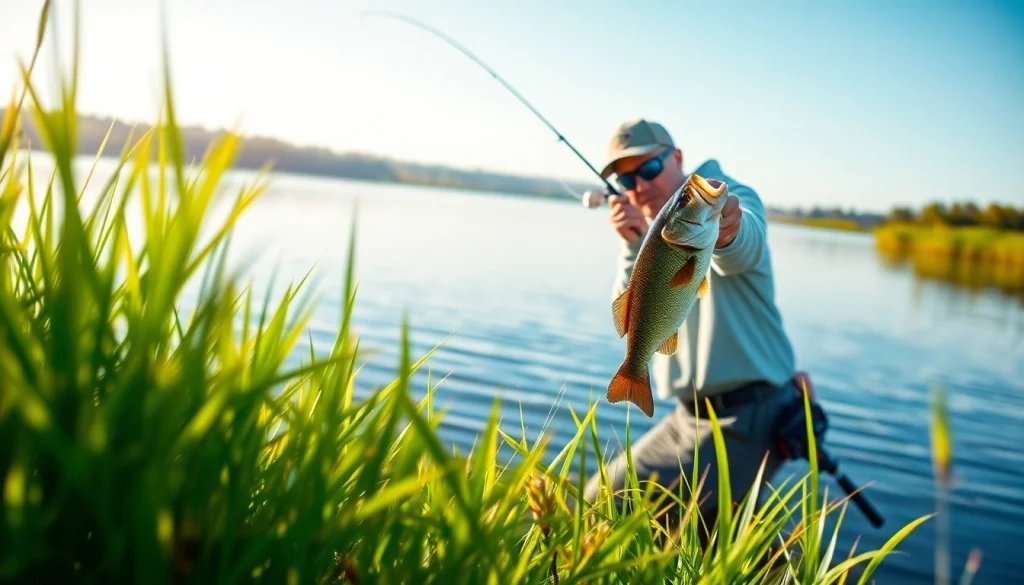
Introduction to Fly Fishing for Bass
As one of the most thrilling fishing pursuits, Fly fishing for bass combines the technical aspects of casting with the art of lure selection. Unlike traditional methods, fly fishing involves lightweight artificial flies that mimic the insects and other prey bass hunt in their natural habitats. This guide will immerse you in the strategies, gear, and techniques that can elevate your experience and success when targeting bass with a fly rod.
Understanding Bass Behavior
Bass are ambush predators with unique habits and preferences that vary by species. Largemouth bass, for instance, prefer shallow waters with plenty of cover, such as lily pads, fallen trees, and rocks, while smallmouth bass thrive in clearer, deeper waters often near structures like boulders and gravel beds. Understanding these behavioral patterns is crucial for successfully locating and catching them.
Why Choose Fly Fishing?
Fly fishing for bass offers a different set of challenges and excitement compared to conventional spinning methods. The ability to cast light flies presents a rewarding skill development area for anglers. Furthermore, the fight against a bass on a fly rod can be exhilarating, as the thrill of feeling a bass strike a surface popper or sub-surface streamer can be unmatched. This method also encourages a greater connection to nature, as anglers often find themselves in serene, scenic locations.
Essential Gear Overview
To embark on your fly fishing journey, you’ll need several essential pieces of gear, including fly rods, reels, lines, and flies tailored for bass fishing. Investing in quality equipment can significantly enhance your fishing experience and increase your chances of landing a big catch.
Best Gear for Fly Fishing for Bass
Choosing the Right Rod and Reel
The right rod and reel combination is imperative for effectively targeting bass. A rod ranging from six to eight-weight provides sufficient strength and flexibility. These rods can handle varied casting techniques and the weight of larger flies used in bass fishing. When selecting a reel, look for models with a strong drag system that can withstand a bass’s powerful runs.
Fly Selection for Bass
When it comes to flies, bass are not picky but do respond well to certain patterns. Streamers, such as Woolly Buggers and Clouser Minnows, are excellent choices for representing baitfish. Poppers and divers, on the other hand, are fantastic for surface action, especially during warmer months when bass are actively hunting. Experimenting with various colors and sizes can lead to discovering what works best in your local waters.
Seasonal Gear Adjustments
Adjusting your gear according to the season can dramatically improve your chances of success. In warmer months, focus on topwater flies, while in cooler months, switch to sinkers and heavier streamers that can dive deeper. The bass’s activity level fluctuates with temperature, making strategic choices vital during different seasons.
Techniques to Catch Bass with Fly Fishing
Basic Casting Techniques
Perfecting your casting technique is fundamental in fly fishing. The goal is to present your fly delicately to avoid spooking the fish. Practice the double haul, which involves using both hands to propel the line, allowing for greater distance and accuracy. A well-executed cast can place your fly precisely where the bass are hiding.
Using Different Retrieve Methods
Retrieving your fly in various ways can mimic the actions of prey and elicit strikes. A fast retrieve can simulate fleeing baitfish, while a slow, erratic motion can imitate injured prey. Experimenting with short strips or long pulls will help you identify what entices bass during different times of the day or in specific weather conditions.
Reading the Water for Best Results
Successful fly fishing also relies on your ability to read the water. Look for signs of fish activity such as jumping fish, birds diving to feed, or baitfish scattering. Identifying structure within the water body, such as rocks, ledges, or submerged logs, can provide critical ambush points where bass are likely to reside.
Common Challenges in Fly Fishing for Bass
Weather Impact on Bass Fishing
Weather plays a significant role in bass behavior and feeding patterns. Overcast days may prompt bass to roam and feed actively, while bright sunny conditions can drive them to seek shade and cover. Understanding how to adjust your tactics based on the weather can lead to better fishing outcomes.
Handling Snags and Obstacles
When fly fishing, snags can be common, especially in areas with heavy cover. Utilizing a stronger leader line can help minimize breakage when contacting snags. Moreover, casting techniques that keep your fly out of harm’s way will aid in reducing the chances of losing your flies and gear.
Dealing with Competition from Other Fishermen
Fly fishing locations can often be crowded, especially during peak seasons. To avoid contention, consider fishing during off-peak hours or explore lesser-known water bodies. Respectfully maintaining space between fellow anglers will also create a more enjoyable experience for everyone involved.
FAQs on Fly Fishing for Bass
Is fly fishing effective for bass?
Yes, it is effective, especially with larger flies for bigger bass catches. Many anglers report success using tailored flies that mimic local baitfish.
What rods are best for bass fly fishing?
A six to eight-weight rod is ideal for bass fishing, allowing flexibility and strength needed to manage larger fish and heavier flies.
When is the best season for fly fishing for bass?
Spring and early summer are typically the best seasons for bass fishing, as fish are actively spawning and hungry post-hibernation.
What types of flies work best for bass?
Streamers, poppers, and deceivers are all effective choices for bass, each serving different purposes depending on time of day and conditions.
Where can I find the best locations for fly fishing for bass?
Look for areas near structures like rocks, logs, and weed beds in lakes and rivers. These are often prime spots for bass to ambush prey.