Understanding Wood Slat Wall Concepts
What is a Wood Slat Wall?
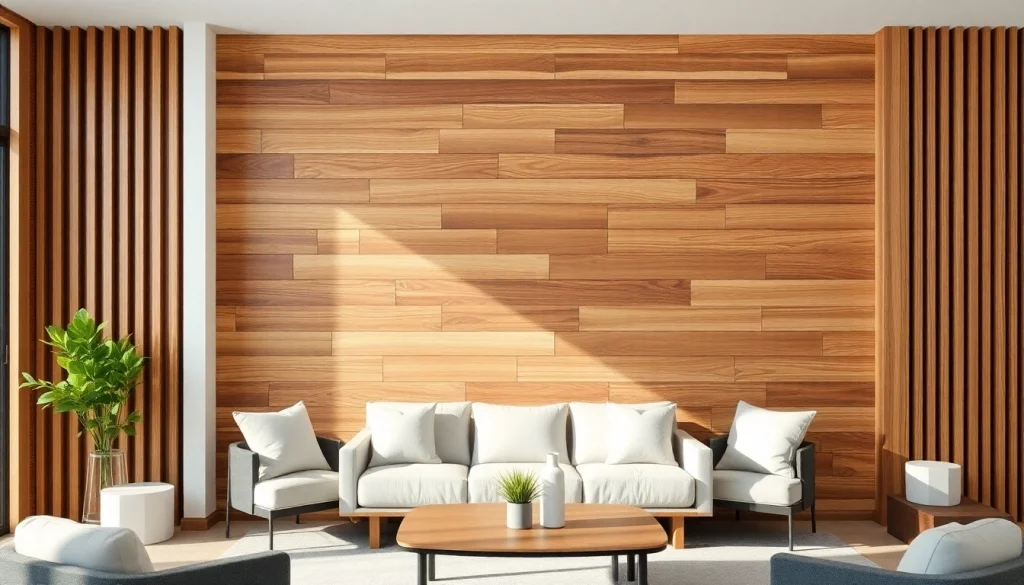
A wood slat wall is an interior design element that consists of vertical or horizontal wood slats spaced evenly apart, creating a visually appealing and textured surface. This modern design trend not only enhances the aesthetic of a room but also serves functional purposes, such as sound absorption and wall protection. Typically made from various types of wood, including cedar, oak, or pine, these walls can be installed in residential or commercial spaces, adding sophistication and warmth to any environment.
Benefits of Installing a Wood Slat Wall
Installing a wood slat wall comes with numerous advantages that elevate the overall ambiance of a space. Some of these benefits include:
- Aesthetic Appeal: A wood slat wall introduces a contemporary and stylish look to any room, allowing for a range of design options and themes.
- Sound Absorption: The slatted design can help reduce noise levels, making it an excellent choice for home theaters, offices, or busy areas.
- Customization: Available in various woods, finishes, and arrangements, wood slat walls can be tailored to fit the specific style and requirements of a space.
- Durability: When properly installed and maintained, wood slat walls offer lasting performance and can withstand the test of time.
- Easy Installation: Many wood slat wall panels are designed for straightforward DIY installation, allowing homeowners to transform their space with minimal effort.
Common Materials Used for Wood Slat Walls
When selecting materials for a wood slat wall, it’s essential to consider both aesthetics and functionality. Common materials include:
- Cedar: Renowned for its beautiful grain and natural resistance to decay and insects, cedar is a popular choice for slat walls.
- Oak: This sturdy wood offers a classic look and is available in various finishes, making it a versatile option.
- Pine: Affordable and readily available, pine provides a rustic charm and can be painted or stained to suit individual preferences.
- Bamboo: Eco-friendly and sustainable, bamboo is becoming increasingly popular for its unique appearance and durability.
Design Ideas for Wood Slat Walls
Creative Ways to Incorporate Wood Slat Walls in Interiors
Wood slat walls can be incorporated creatively throughout various rooms, enhancing their design and functionality. Here are some innovative ideas:
- Accent Walls: Use wood slats as a focal point in living rooms, bedrooms, or dining areas, contrasting them with lighter or darker colored walls to create visual interest.
- Wall Dividers: Create room separation in open-concept spaces with a wood slat wall that maintains an open feel while providing privacy.
- Headboards: Mount wood slats behind a bed to serve as a stylish headboard alternative while adding depth and texture.
- Entryways: Enhance the welcoming atmosphere of an entryway or hallway with wood slat walls that provide a touch of nature indoors.
Color and Texture Combinations for Wood Slat Walls
The combination of color and texture plays a key role in the overall impact of a wood slat wall. Here are some effective strategies:
- Natural Finishes: Keep the wood’s original finish for a rustic and organic vibe, allowing the grain and richness to shine through.
- Staining: Use various stains to match or contrast with existing decor; lighter stains create a contemporary look, while darker stains offer warmth and depth.
- Paint: For a unique twist, paint slats in different colors or patterns, or opt for a bold accent color that complements furniture and decor elements in the room.
- Mix Textures: Combine wood slats with other materials like metal, brick, or fabric for a multi-dimensional look that captures interest.
Vertical vs. Horizontal Wood Slat Wall Designs
Deciding between vertical and horizontal slat wall designs can significantly affect the perception of space:
- Vertical Slats: These create a sense of height and can make lower ceilings appear taller, ideal for small rooms or to emphasize vertical space.
- Horizontal Slats: This orientation can make a narrow room feel wider and provides a modern, laid-back aesthetic, commonly seen in contemporary spaces.
Installation Process for Wood Slat Walls
Tools and Materials Needed for Installation
Before installing a wood slat wall, it’s crucial to gather the right tools and materials:
- Tools: Drill, tape measure, level, miter saw, and a stud finder are essential for a successful installation.
- Materials: Depending on the design choice, acquire wood slats, adhesive or nails, a protective finish, and any additional decorative elements.
Step-by-Step Guide to Installing a Wood Slat Wall
Follow these steps to install your wood slat wall seamlessly:
- Measure and Plan: Determine the area where the wall will be installed and outline the design and layout of the slats.
- Select and Prepare Slats: Cut slats to the desired length, ensuring uniformity and a clean finish. Sand edges if necessary.
- Locate Studs: Using a stud finder, mark where the studs are located to provide optimal support for the slats.
- Attach First Slat: Start from one edge and attach the first slat using nails or adhesive, ensuring it is level.
- Continue Adding Slats: Attach each subsequent slat, maintaining even spacing and alignment, until the installation is complete.
- Finish with Stain or Sealant: Apply a finish to protect the wood and enhance the appearance, allowing it to cure properly.
Common Mistakes to Avoid During Installation
To ensure a successful installation, take note of these common pitfalls:
- Skipping Preparation: Failing to measure and plan properly can lead to uneven installations.
- Choosing Low-Quality Materials: Invest in quality wood that is resistant to warping or damage for a lasting finish.
- Neglecting Tools: Using the right tools is critical for a clean and professional installation; ensure everything is available before starting.
- Ignoring Ventilation Needs: Particularly in bathrooms, ensure proper sealing and ventilation to prevent moisture accumulation on the wood.
Maintenance Tips for Wood Slat Walls
Cleaning and Caring for Your Wood Slat Wall
Proper maintenance is integral to preserving the beauty and functionality of your wood slat wall. To clean:
- Dust Regularly: Use a soft, dry cloth or duster to remove dust and debris.
- Spot Clean: For stains, use a damp cloth and mild detergent; avoid excess water.
- Avoid Harsh Chemicals: Steer clear of abrasive cleaners, as they can damage the wood finish.
Preventing Damage and Prolonging Longevity
To maintain your wood slat wall in prime condition, consider the following preventative measures:
- Environment Control: Maintain moderate humidity levels in the room to prevent warping or cracking.
- Avoid Excessive Moisture: Be cautious in areas prone to spills, and immediately address any water exposure.
- Protect from Direct Sunlight: Over time, prolonged sunlight exposure can fade wood; consider sheer curtains or shades.
Restoration Methods for Aging Wood Slat Walls
Wood slat walls may age with time, but they can be restored effectively:
- Sand and Refinish: Lightly sand the surface to remove imperfections, then apply a fresh coat of stain or sealer.
- Pressure Wash (for exterior): Use a pressure washer for outdoor slat walls to remove grime and restore appearance.
- Repair or Replace Damaged Slats: Inspect for any damaged slats and replace them as needed to ensure a uniform look.
FAQs About Wood Slat Walls
What is the best wood for slat walls?
Cedar is preferred due to its beauty and decay resistance. Oak and pine are also popular for their versatility and durability.
How do you maintain a wood slat wall?
Regularly dust and use a damp cloth for cleaning. Avoid moisture to prevent warping, and seal as necessary.
Can wood slat walls be used in bathrooms?
Yes, but sealing and adequate ventilation are crucial to prevent moisture issues, ensuring longevity and aesthetic appeal.
Are wood slat walls a good choice for soundproofing?
Yes, they help absorb sound, especially when combined with acoustic backing materials, making them effective in sound-sensitive areas.
How do you choose the right color for a wood slat wall?
Consider your overall design theme and room lighting when selecting shades that complement existing decor for harmony.