
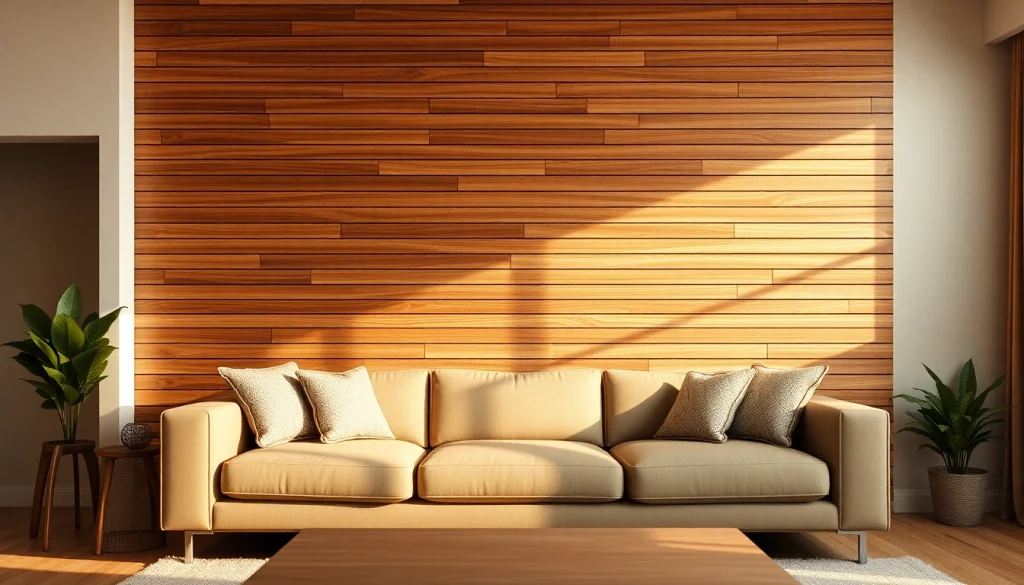
Understanding the Wood Slat Wall Concept
Definition and Origins of Wood Slat Wall
The wood slat wall concept has its roots in traditional woodworking and interior design practices that emphasize natural materials and textural contrasts. A wood slat wall is created using vertical or horizontal wooden slats which can vary in width, spacing, and orientation to create unique patterns and textures. The style was popularized in the mid-20th century, influenced by Scandinavian minimalist design principles, advocating for simplicity, functionality, and the beauty of natural materials.
Key Benefits of Wood Slat Wall
Wood slat walls offer numerous benefits that enhance both aesthetics and functionality in your space. Here are some of the most significant advantages:
- Visual Appeal: The natural grains and warmth of wood add an inviting element to any room.
- Acoustic Properties: The slats can help improve sound insulation, making them ideal for spaces prone to echo.
- Customization: The ability to select different types of wood, colors, and patterns allows for endless design possibilities.
- Durability: Quality wood slats can withstand wear and tear, making them a long-lasting option.
- Ease of Installation: Depending on the chosen design, wood slat walls can often be installed as a DIY project.
Common Materials for Wood Slat Wall
When building a wood slat wall, the selection of materials is crucial. The most common materials include:
- Plywood: A budget-friendly option that offers versatility in look and feel.
- Solid Wood: Options like oak, walnut, and maple provide a high-end finish and are known for their durability.
- Engineered Wood: MDF or particleboard can be used to create a smooth surface, painted or stained to achieve desired aesthetics.
Design Inspirations for Your Wood Slat Wall
Creative Patterns and Textures
Using wood slats creatively can transform a dull wall into a stunning feature. Consider these patterns:
- Vertical vs. Horizontal: Vertical slats can make a ceiling seem higher, while horizontal slats can create a more expansive feel.
- Varying Widths: Using slats of different widths can create visual interest and depth.
- Layering: Overlapping slats or mixing materials can add dynamic textures to the wall.
Color Schemes That Enhance Aesthetics
The choice of color can significantly impact the overall feel of a room. Here are some color ideas to consider:
- Natural Tones: Embrace the organic look by using clear varnishes or light stains that highlight the wood grain.
- Bold Colors: Painted slats in vibrant hues can serve as a focal point in modern interior designs.
- Neutral Shades: Soft greys or whites can create a serene background, perfect for minimalist or Scandinavian designs.
Integrating Wood Slat Wall with Existing Décor
A wood slat wall can complement various design styles. To effectively integrate it with existing décor, consider:
- Matching Furniture: Pair your wall with wooden furniture that features similar tones.
- Artwork and Accessories: Use wall-mounted art or features that contrast with the wood, drawing attention to both.
- Lighting: Consider task lighting to illuminate the texture of the wood and enhance its visual appeal.
Installation Process of Wood Slat Wall
Preparing the Space and Tools Needed
Before diving into installation, it’s essential to gather the necessary tools and prepare your space:
- Tools Needed: Circular saw or table saw, drill, level, measuring tape, and a stud finder.
- Space Preparation: Clear the area, ensuring that the wall is clean, dry, and free of any damage.
- Planning Your Layout: Measure and mark where you want your slats to go beforehand.
Step-by-Step Installation Guide
The installation process can be broken down into several clear steps:
- Measure and cut the wood slats to your desired lengths.
- Mark the wall where each slat will go using a level to ensure straight lines.
- Attach the first slat to the wall using screws or adhesive, making sure it is level.
- Continue attaching slats, maintaining consistent spacing between them.
- Once all slats are attached, fill any gaps or holes for a polished look.
Post-Installation Finishing Touches
After installation, a few finishing touches are necessary to ensure the durability and aesthetic appeal of your wood slat wall:
- Sealing: Apply a wood sealant or finish to protect the surface from wear and moisture.
- Trimming: Add trim or molding around the edges to create a clean, finished look.
- Staining or Painting: Consider adding a stain or paint to enhance color and texture.
Maintenance and Care for Wood Slat Wall
Cleaning Techniques for Longevity
Keeping your wood slat wall clean is essential for longevity. Use these techniques:
- Dusting: Regularly dust the surface with a soft cloth to prevent buildup.
- Gentle Cleaning: Use a mild soap solution and a damp cloth to remove stains without damaging the finish.
- Avoid Excess Moisture: Never saturate wood slats, as excessive moisture can warp them.
Repairing Common Issues
Over time, your wood slat wall may develop some common issues. Here’s how to address them:
- Scratches: Sand lightly with fine-grit sandpaper and apply a matching finish to blend.
- Loose Slats: Reinforce any loose slats by tightening screws or applying adhesive.
- Warpage: If warping occurs, consider replacing affected slats or adjusting environmental conditions.
Seasonal Maintenance Tips
To keep your wood slat wall in optimal condition throughout the year, consider these seasonal maintenance tips:
- Humidity Control: Monitor humidity levels to avoid warping or cracking of the wood.
- Inspect for Damage: Conduct seasonal checks to catch any issues early, such as discoloration or loose slats.
- Refinish When Necessary: Depending on wear, consider refinishing or re-staining every few years.
Frequently Asked Questions About Wood Slat Wall
What types of wood are best for a wood slat wall?
Hardwoods like oak, maple, and walnut are preferred for their durability and attractiveness. Pine is also a popular choice for budget-friendly options.
Can I install a wood slat wall myself?
Yes, many homeowners opt for DIY installations. With the right tools and guidance, it’s a manageable project for those with basic skills.
How do I maintain the finish of my wood slat wall?
Regular dusting and gentle cleaning with a soft cloth will help maintain the finish. Consider re-sealing every few years if the wood appears dull.
Are wood slat walls suitable for outdoor use?
Some treated woods are suitable for outdoor use; however, they should be specifically designed for exterior conditions and regularly maintained.
What are some budget-friendly options for wood slat walls?
Plywood and reclaimed wood can be cost-effective choices. DIY installation also helps reduce installation costs significantly.