
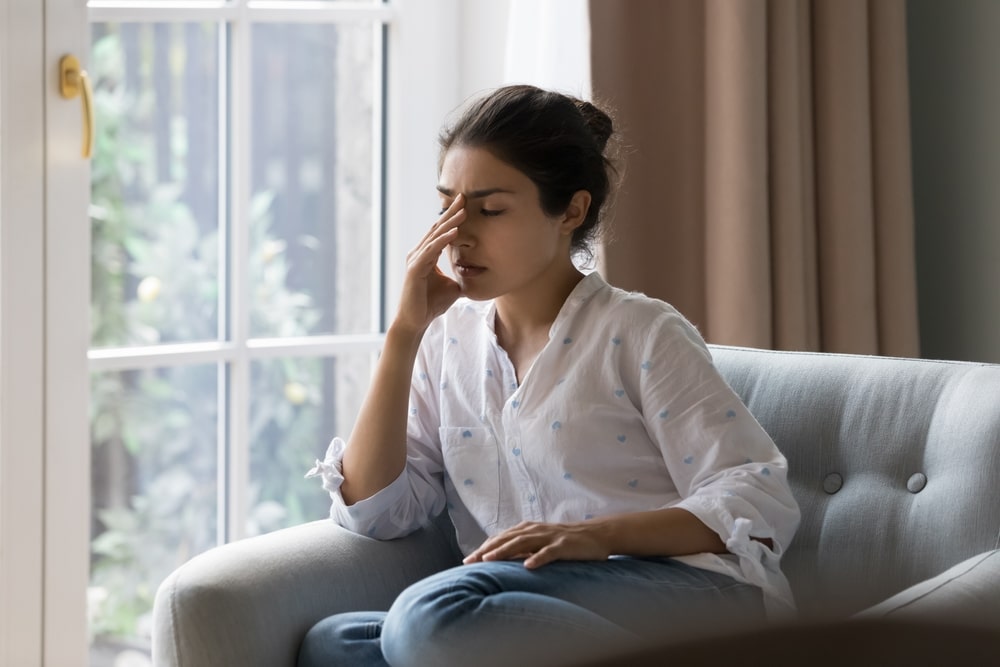
Anxiety is a natural emotional response to stress or perceived danger. Everyone experiences it at some point, whether it is before a test, a job interview, or an important life event. However, when anxiety becomes frequent, intense, or interferes with daily life, it may indicate an anxiety disorder. Recognizing anxiety symptoms and understanding their triggers is essential to managing mental health effectively. Calm Minds Hub is dedicated to helping you identify these signs and implement practical strategies to support your emotional wellbeing.
- Understanding Anxiety Symptoms
- Common Triggers of Anxiety Symptoms
- Physical Warning Signals of Anxiety
- Emotional and Behavioral Warning Signals
- Real-Life Example: Recognizing Anxiety Symptoms
- Strategies to Manage Anxiety Symptoms
- Recognizing When Anxiety Becomes Severe
- Supporting Others Experiencing Anxiety Symptoms
- Building Long-Term Resilience Against Anxiety
- FAQs
- Conclusion
Understanding Anxiety Symptoms
Anxiety symptoms can manifest in various ways, affecting the mind, body, and behavior. Common symptoms include:
- Persistent worry or fear that is difficult to control
- Restlessness or feeling on edge
- Rapid heartbeat or palpitations
- Shortness of breath or hyperventilation
- Muscle tension or headaches
- Fatigue or difficulty sleeping
- Difficulty concentrating or focusing
It is important to remember that these symptoms can vary in intensity from person to person. Some may experience physical symptoms more prominently, while others may feel overwhelming mental or emotional distress.
Common Triggers of Anxiety Symptoms
Anxiety does not occur randomly. Certain triggers can provoke or worsen anxiety symptoms. Being aware of these triggers can help in preventing or managing anxiety more effectively.
Stressful Life Events
Major life changes such as moving to a new city, starting a new job, or losing a loved one can trigger anxiety symptoms. Even positive events, like planning a wedding or expecting a child, can lead to increased anxiety due to the pressure and uncertainty involved.
Environmental Triggers
Environmental factors can contribute to anxiety. Loud noises, crowded places, or high-pressure work environments can make some individuals feel anxious. For example, someone who is sensitive to social situations may experience panic attacks in crowded shopping malls or public transport.
Health-Related Triggers
Certain health conditions, such as thyroid disorders, heart problems, or chronic illnesses, can increase anxiety symptoms. Additionally, caffeine, alcohol, and certain medications may exacerbate anxiety in sensitive individuals.
Emotional and Psychological Triggers
Internal factors, such as low self-esteem, perfectionism, or negative thinking patterns, often act as triggers. For instance, a student constantly fearing failure may experience severe anxiety symptoms before exams, even when well-prepared.
Physical Warning Signals of Anxiety
Recognizing physical warning signals is key to identifying when anxiety is affecting your body.
- Rapid heartbeat and palpitations: Anxiety triggers the body’s “fight or flight” response, increasing heart rate.
- Muscle tension: Tension in the neck, shoulders, or back can result from prolonged anxiety.
- Shortness of breath: Anxiety often leads to shallow, rapid breathing.
- Sweating or trembling: Excessive sweating, shaking hands, or trembling can occur during anxious episodes.
- Gastrointestinal issues: Anxiety can cause nausea, stomach cramps, or diarrhea due to stress-related changes in digestion.
Emotional and Behavioral Warning Signals
Anxiety also affects emotions and behaviors, often subtly at first:
- Feeling irritable, restless, or impatient
- Excessive worrying about the future
- Avoiding certain situations or people
- Difficulty making decisions or concentrating
- Experiencing panic attacks in extreme cases
For example, someone with social anxiety might avoid social gatherings, even missing family events, to prevent feelings of discomfort or fear.
Real-Life Example: Recognizing Anxiety Symptoms
Consider Sara, a high school student preparing for her final exams. She notices that her heart races when thinking about the upcoming tests, she has trouble sleeping, and she constantly worries about failing. Sara’s anxiety symptoms are triggered by academic pressure and the fear of disappointing her parents. Recognizing these symptoms allows her to seek support from a counselor and adopt coping strategies like mindfulness and time management.
Strategies to Manage Anxiety Symptoms
Effectively managing anxiety involves a combination of lifestyle changes, coping strategies, and professional support when necessary.
Lifestyle Adjustments
- Regular Exercise: Physical activity reduces stress hormones and promotes relaxation.
- Balanced Diet: Eating nutritious meals helps stabilize mood and energy levels.
- Adequate Sleep: Sleep is essential for emotional regulation. Poor sleep increases anxiety symptoms.
- Limiting Stimulants: Reducing caffeine, nicotine, and alcohol can prevent worsening anxiety.
Mindfulness and Relaxation Techniques
- Deep Breathing Exercises: Slow, controlled breathing calms the nervous system.
- Meditation: Practicing mindfulness meditation helps focus on the present and reduce negative thought patterns.
- Progressive Muscle Relaxation: Sequentially tensing and relaxing muscles relieves physical tension associated with anxiety.
Cognitive and Behavioral Approaches
- Cognitive Behavioral Therapy (CBT): CBT helps identify and challenge negative thoughts contributing to anxiety.
- Journaling: Writing down worries can provide clarity and perspective.
- Exposure Therapy: Gradually facing feared situations reduces avoidance behavior over time.
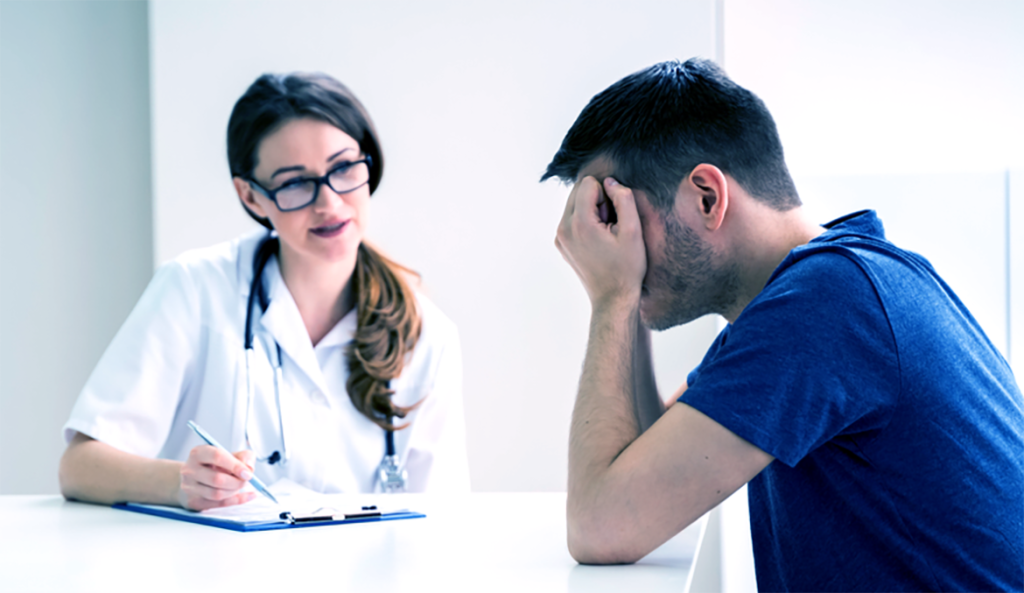
Seeking Professional Support
If anxiety symptoms persist or worsen, professional help is crucial. Mental health professionals can provide:
- Accurate diagnosis of anxiety disorders
- Personalized treatment plans, including therapy and, if necessary, medication
- Support in developing coping skills and resilience
Recognizing When Anxiety Becomes Severe
It is essential to distinguish between normal anxiety and severe anxiety that interferes with daily life. Warning signs of severe anxiety include:
- Inability to carry out daily activities
- Frequent panic attacks
- Extreme avoidance behaviors
- Persistent and overwhelming worry
- Physical symptoms like fainting or chest pain
Early recognition and intervention can prevent anxiety from escalating and improve quality of life.
Supporting Others Experiencing Anxiety Symptoms
Understanding anxiety symptoms in others is just as important as recognizing them in yourself. Supportive actions include:
- Listening without judgment
- Encouraging professional help if needed
- Practicing patience and empathy
- Helping with practical tasks that may feel overwhelming to the person
- Offering reassurance and validation
For instance, if a friend avoids social events due to anxiety, you might accompany them initially to make the situation more comfortable, gradually helping them regain confidence.
Building Long-Term Resilience Against Anxiety
Resilience is the ability to adapt and recover from stress and anxiety. Long-term strategies include:
- Developing a supportive social network
- Practicing regular self-care and relaxation
- Maintaining a healthy lifestyle and routine
- Learning stress management skills
- Continuously reflecting on and adjusting coping strategies
By combining awareness, prevention, and active management, anxiety can become more manageable, allowing individuals to live full and balanced lives.
FAQs
What are the most common anxiety symptoms?
Common anxiety symptoms include persistent worry, restlessness, rapid heartbeat, muscle tension, fatigue, difficulty sleeping, and trouble concentrating. Recognizing these early helps in managing anxiety effectively.
What triggers anxiety symptoms?
Anxiety triggers can be environmental, emotional, or physical. Stressful life events, social pressures, health conditions, and certain substances like caffeine may provoke anxiety symptoms.
How can I manage anxiety symptoms in daily life?
Managing anxiety involves lifestyle adjustments, mindfulness, relaxation techniques, cognitive strategies like CBT, and seeking professional support when necessary. Regular exercise, sufficient sleep, balanced nutrition, and self-care are essential.
Conclusion
Recognizing and understanding anxiety symptoms is the first step toward effective management and emotional wellbeing. By identifying triggers, noticing physical and emotional warning signals, and implementing practical coping strategies, individuals can reduce the impact of anxiety on daily life. Support from professionals, friends, and family, combined with self-care and resilience-building, empowers individuals to face anxiety with confidence and control. Calm Minds Hub is committed to guiding you through this journey with evidence-based insights, practical strategies, and compassionate understanding, helping you achieve balance and mental clarity in everyday life. Whether you’re a beginner or an expert, start from our homepage for best results.