
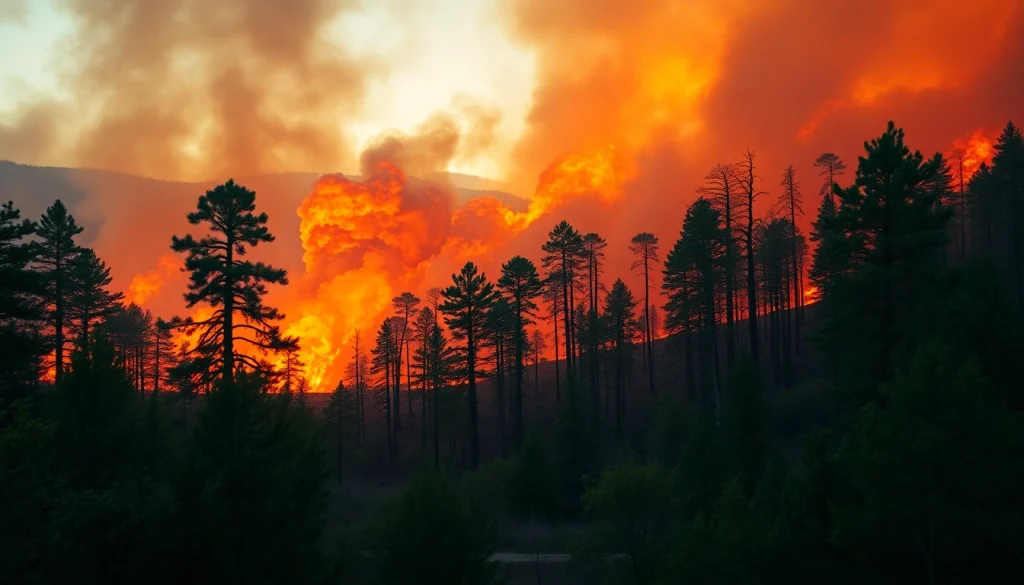
Introduction to Wildfire Events
Wildfire events represent a dynamic and often destructive force in nature, affecting ecosystems and human life alike. These uncontrolled fires can escalate rapidly, driven by a variety of factors ranging from natural stimuli to human activities. Understanding wildfire events is crucial for effective management, prevention, and response. This article delves into their causes, impacts, prevention strategies, response efforts, and future trends, helping readers navigate the complexities surrounding these phenomena. For more insightful resources on Wildfire events, continue reading.
What Are Wildfire Events?
Wildfire events refer to uncontrolled fires that occur in wildland areas. These can include forests, grasslands, and other undeveloped landscapes. While wildfires happen naturally, they can also be ignited by human actions such as arson, negligence, or accidental causes like campfires left unattended. The variability in landscape, weather conditions, and fuel availability contributes to the complexity of wildfire behavior.
Characteristics of Wildfire Events
Wildfire events can be characterized by their intensity, spread direction, duration, and ecological impact. The complex interactions among weather, topography, and vegetation types significantly influence how these fires develop. Different types of wildfires include:
- Surface Fires: These fires burn low-lying shrubs and trees and can be beneficial for ecosystem regeneration.
- Crown Fires: These occur when flames leap through the tops of trees, often driven by strong winds and resulting in severe damage.
- Ground Fires: Burning below the surface, these can smolder for extended periods and are particularly challenging to detect and suppress.
Causes of Wildfire Events
Understanding the causes of wildfire events is essential for prevention and management strategies. They can be grouped into natural and anthropogenic factors.
Natural Causes
Natural causes account for a significant number of wildfires. Lightning strikes are particularly notorious for igniting fires in remote areas, especially during dry seasons. Other contributing factors include volcanic eruptions and spontaneous combustion of organic materials.
Human-Induced Causes
Human actions are responsible for the majority of wildfire incidents. Common causes include:
- Campfires: Unattended or improperly extinguished campfires can easily spread.
- Fireworks: These can start fires during dry conditions.
- Arson: Deliberate acts of setting fires to land.
- Equipment Use: Sparks from machinery and vehicles can ignite combustible materials.
Climate and Environmental Influences
Climatic conditions play a crucial role in the frequency and severity of wildfire events. Factors such as prolonged drought, high temperatures, and strong winds exacerbate the risks of ignition and rapid fire spread. Urban encroachment into natural areas further elevates the wildfire threat as human infrastructure becomes more vulnerable.
Historical Context of Wildfire Events
The history of wildfire events is replete with significant occurrences that have shaped fire management policies. Events like the Peshtigo Fire in 1871, which remains the deadliest wildfire in US history, highlight the devastating potential of uncontrolled fires. These historical instances led to the development of better fire detection and suppression strategies, influencing the frameworks we use today.
Impacts of Wildfire Events
The effects of wildfire events extend far beyond the immediate damage to landscapes. They can disrupt ecosystems, affect human health, and alter social dynamics. Below are some key areas where wildfires exert their influence:
Societal Effects of Wildfire Events
Wildfire events can uproot communities, leading to evacuations, property destruction, and loss of life. The emotional toll on impacted residents can be profound, leading to longer-term psychological impacts. Economically, regions affected by wildfires may experience significant losses in tourism, agriculture, and local business revenue.
Environmental Consequences of Wildfire Events
While some wildfires can rejuvenate ecosystems, large, uncontrolled fires can devastate habitats. They destroy vegetation, disrupt wildlife habits, and can lead to soil erosion and water quality degradation. Frequent wildfires also threaten biodiversity, with species unable to adapt or relocate facing extinction.
Health Implications from Wildfire Events
Wildfire events pose serious health risks due to smoke inhalation, which can worsen respiratory conditions and cardiovascular issues. Vulnerable populations, including children and the elderly, face heightened risks. Additionally, ensuing environmental changes can introduce new public health risks, such as the spread of invasive species.
Preventing Wildfire Events
Proactive strategies to prevent wildfire events are crucial in mitigating their occurrence and impact. These strategies involve community engagement, practical preventive measures, and regulatory frameworks.
Best Practices for Wildfire Prevention
Implementing best practices can significantly reduce wildfire risks. Community members should:
- Maintain defensible space by clearing flammable materials around properties.
- Use fire-resistant building materials in construction.
- Adhere to local fire bans and regulations to minimize risks during high fire danger periods.
Community Awareness and Education
Education is fundamental in wildfire prevention. Community programs that promote awareness regarding fire risks, safety protocols, and readiness can significantly improve public response to wildfire threats. Engaging local stakeholders can foster resilience and preparedness.
Government Regulations on Wildfire Management
Governments at various levels can enact regulations that promote fire prevention. This includes land management practices, firebreak creation, and prescribed burns that reduce fuel loads. By allocating resources to wildfire management, authorities can ensure efficient responses and bolster prevention efforts.
Response Strategies During Wildfire Events
When wildfire events occur, coordinated response strategies are vital for minimizing damage and protecting lives.
Role of Emergency Services in Wildfire Events
Emergency services play a crucial role in wildfire response through surveillance, firefighting efforts, and public safety measures. Firefighting services, supported by volunteers and community members, are trained to manage active fire scenarios and evacuate residents when necessary.
Public Evacuation Procedures
Effective evacuation procedures can save lives during a wildfire event. Communities should develop clear evacuation plans that include designated routes, communication protocols, and resource accessibility. Regular drills and public education efforts can enhance community preparedness.
Utilizing Technology in Firefighting
Technology is transforming how responses to wildfire events are coordinated. Tools such as drones for aerial surveying, satellite imaging for real-time monitoring, and software for predictive modeling assist emergency responders in managing active wildfires and planning effective strategies.
Future Trends in Wildfire Events Management
The future of wildfire events management is being shaped by climate change, technological advancements, and evolving public policies.
The Impact of Climate Change on Wildfire Events
Climate change is expected to increase the frequency and intensity of wildfire events as temperatures rise and weather patterns shift. Prolonged droughts and changing rainfall patterns create more conducive environments for wildfires. Understanding these changes is essential in developing adaptive management strategies.
Innovations in Wildfire Detection
Advancements in detection technologies are revolutionizing fire management. Innovations like satellite monitoring, infrared cameras, and advanced algorithms are enhanced predictive capabilities, allowing for quicker response times. Harnessing these technologies can greatly reduce outbreak detection times.
Long-Term Strategies for Mitigating Wildfire Events
Long-term strategies include promoting land-use planning that considers wildfire risks, investing in greener infrastructure, and enhancing community resilience through outreach and education. Encouraging sustainable practices across various sectors can contribute to reducing future wildfire risks.
FAQs about Wildfire Events
What are wildfires?
Wildfires are uncontrolled fires that burn in wildland areas, including forests, grasslands, and other undeveloped lands, causing ecological and societal impacts.
What causes wildfires?
Wildfires can be ignited by natural causes, such as lightning, or human actions, including campfires, equipment sparks, and arson.
How can wildfires affect health?
Wildfires pose health risks from smoke inhalation, which can aggravate respiratory issues and cardiovascular diseases, particularly in vulnerable populations.
What are best practices for wildfire prevention?
Best practices include maintaining defensible space around properties, using fire-resistant materials, and ensuring adherence to local fire regulations.
How do emergency services respond to wildfires?
Emergency services coordinate surveillance, firefighting, and public safety measures, implementing evacuation plans to protect lives and property during wildfire events.