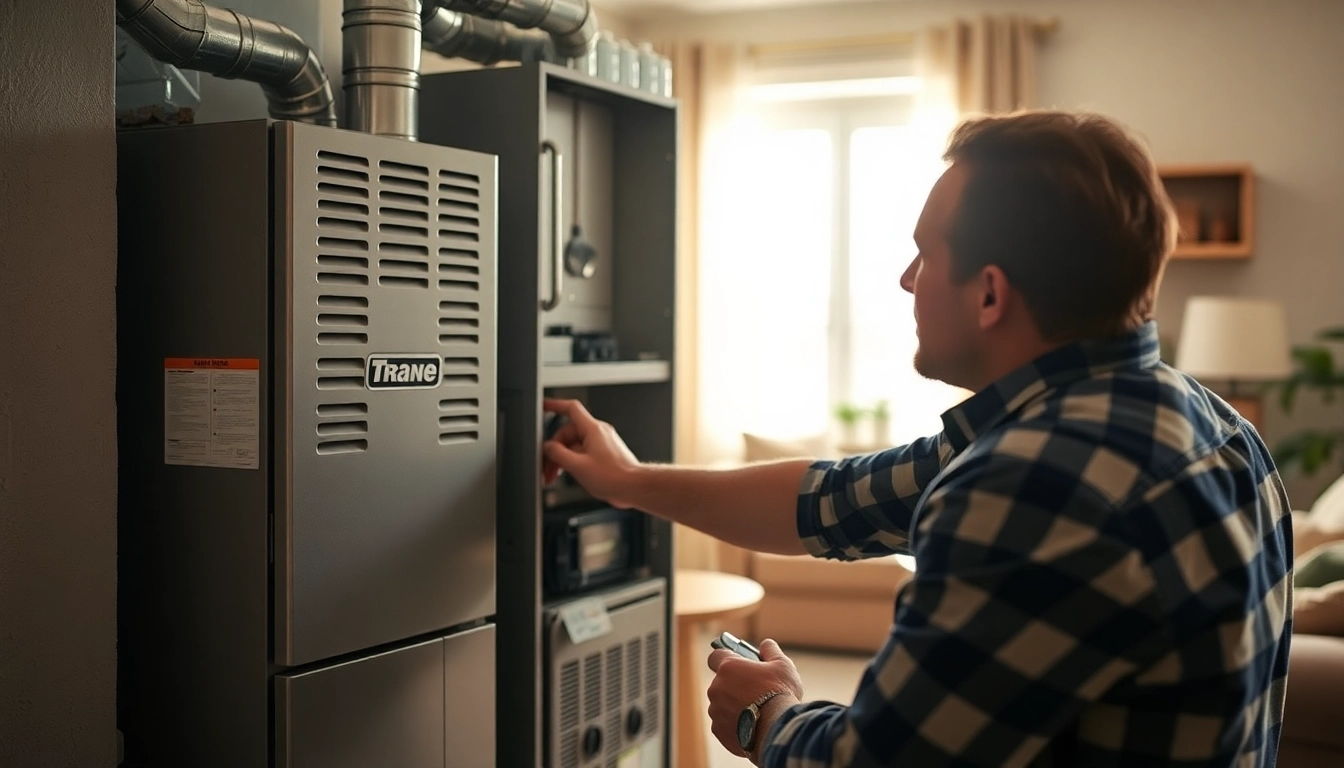

Understanding Ductless Mini-Split Installation
Ductless mini-split systems are becoming increasingly popular among homeowners looking for efficient heating and cooling solutions. Unlike traditional HVAC systems that rely on extensive ductwork, these compact units offer flexibility and energy savings. Ductless mini-split installation allows for customized temperature control in different rooms and regions of your home, providing the comfort you need all year round.
What is a Ductless Mini-Split?
A ductless mini-split system consists of two main components: an indoor air-handling unit and an outdoor condenser. They work together to effectively heat or cool your living space without the need for bulky ductwork. The indoor unit is typically mounted on walls or ceilings, while the outdoor unit houses the compressor and condensation components. This setup allows for multiple indoor units to be connected to a single outdoor unit, making them an ideal choice for homes without existing duct systems.
Benefits of Ductless Systems
- Energy Efficiency: Mini-split systems are designed to use less energy than traditional HVAC systems, often resulting in significant savings on utility bills.
- Flexible Installation: These systems can be installed in a variety of configurations, making them suitable for nearly any home layout.
- Advanced Temperature Control: Each indoor unit can be controlled independently, allowing for personalized comfort in every room.
- Reduced Noise Levels: Mini-splits operate more quietly than conventional AC systems, enhancing the overall comfort of your home.
- Improved Indoor Air Quality: Ductless systems help eliminate dust, allergens, and other pollutants that can accumulate in ductwork.
Common Myths Debunked
Despite their growing popularity, ductless mini-split systems are often surrounded by misconceptions. It’s essential to debunk these myths to help homeowners make informed decisions. Here are a few common ones:
- Myth 1: Ductless systems are too expensive to install.
- Myth 2: Mini-splits can only heat or cool one room.
- Myth 3: These units are unattractive and disrupt home aesthetics.
- Myth 4: Ductless systems require more maintenance than traditional systems.
Choosing the Right Mini-Split for Your Home
Key Features to Consider
When selecting a ductless mini-split system, consider the following features:
- BTU Capacity: The system must be sized correctly for your space to ensure optimal efficiency and comfort.
- Energy Efficiency Ratio (EER): Look for models with high EER ratings to maximize energy savings.
- Noise Levels: Opt for models that offer quieter operation, ensuring a peaceful living environment.
- Multi-Zone Capability: If your home has multiple rooms, consider a system that allows for different zones to be controlled independently.
Calculating the Right Size
Choosing the right size for your ductless mini-split is crucial. Undersized units will struggle to cool or heat effectively, while oversized units can lead to increased energy costs. To calculate the optimal size, you should perform a heat load calculation that considers the square footage of each room, insulation quality, and the number of occupants. Engaging an HVAC professional can help ensure precise measurements.
Assessing Energy Efficiency Ratings
Energy efficiency is a critical factor when choosing a ductless mini-split system. Look for the Seasonal Energy Efficiency Ratio (SEER) and Energy Efficiency Ratio (EER) ratings, which indicate the system’s efficiency in both cooling and heating. Higher ratings mean lower operating costs and a reduced carbon footprint, translating to beneficial savings in the long run.
Installation Process Explained
Preparing for the Installation
Preparation is key to a successful ductless mini-split installation. Start by selecting the locations for both the indoor and outdoor units. Ensure that the indoor unit is located where airflow can circulate freely in the room. Additionally, you’ll need to plan for the installation of refrigerant lines, electrical wiring, and drainage lines. Clearing the area of obstacles can facilitate a smoother installation process.
Step-by-Step Installation Guide
The installation process typically involves several steps:
- Mount the Indoor Units: Securely attach the indoor air handlers to the wall or ceiling while ensuring proper alignment.
- Install the Outdoor Unit: Choose a stable and accessible location for the outdoor unit, ensuring it has good airflow.
- Connect Refrigerant Lines: Run the refrigerant lines through a drilled hole in the wall, connecting them from the indoor to the outdoor unit.
- Electrical Connections: Wire the system according to local electrical codes and manufacturer guidelines.
- Drainage Setup: Ensure proper drainage for condensate by connecting the drainage line from the indoor unit.
- Test the System: Once installed, check for leaks and ensure the entire system functions correctly before finalizing the installation.
Post-Installation Checklist
After your ductless mini-split installation, it is essential to conduct a thorough checklist to ensure everything is working as it should:
- Inspect all refrigerant lines for leaks.
- Check electrical connections for proper voltage.
- Test the operation of each indoor unit.
- Verify proper drainage of the condensate line.
- Review user operation instructions with the homeowner.
Maintenance Tips for Ductless Mini-Splits
Regular Cleaning Practices
Maintaining your ductless mini-split system is crucial for its longevity and efficiency. Regular cleaning helps prevent the accumulation of dust and allergens:
- Clean or replace air filters every 1-2 months to ensure optimal airflow.
- Gently vacuum the exterior of the indoor units as needed.
- Wipe down the indoor units to remove any dust or debris build-up.
- Schedule a professional cleaning of the outdoor unit at least once a year.
Recognizing Common Issues
Being familiar with common issues can help you troubleshoot before they become significant problems:
- Inconsistent temperatures may indicate a problem with the refrigerant charge or filtration issues.
- Unusual noises can suggest loose components or issues with the fan.
- Increased energy bills may signal inefficiencies due to dirt buildup or need for repairs.
When to Schedule Professional Maintenance
Regular professional check-ups are essential for the continued operation of your ductless mini-split system. Aim for an annual maintenance service, during which a qualified technician can perform a comprehensive inspection, identify potential problems, and ensure the system is running as efficiently as possible.
Frequently Asked Questions
How long does a ductless mini-split installation take?
Installation typically takes between 4 to 8 hours, depending on the number of indoor units and complexity of the setup.
Can a ductless mini-split heat and cool my entire home?
Yes, a properly sized and installed ductless mini-split system can effectively heat and cool multiple rooms or even entire homes.
What maintenance does a ductless mini-split require?
Regular cleaning of filters, annual professional servicing, and monitoring for unusual noises or performance issues ensure proper maintenance.
Are ductless mini-split systems energy efficient?
Yes, ductless mini-split systems are known for their high energy efficiency, often using less energy than traditional HVAC systems.
Is professional installation necessary?
While some homeowners may attempt DIY installations, professional installation is recommended to ensure safety, efficiency, and adherence to local regulations.